Physical Address
304 North Cardinal St.
Dorchester Center, MA 02124
Physical Address
304 North Cardinal St.
Dorchester Center, MA 02124
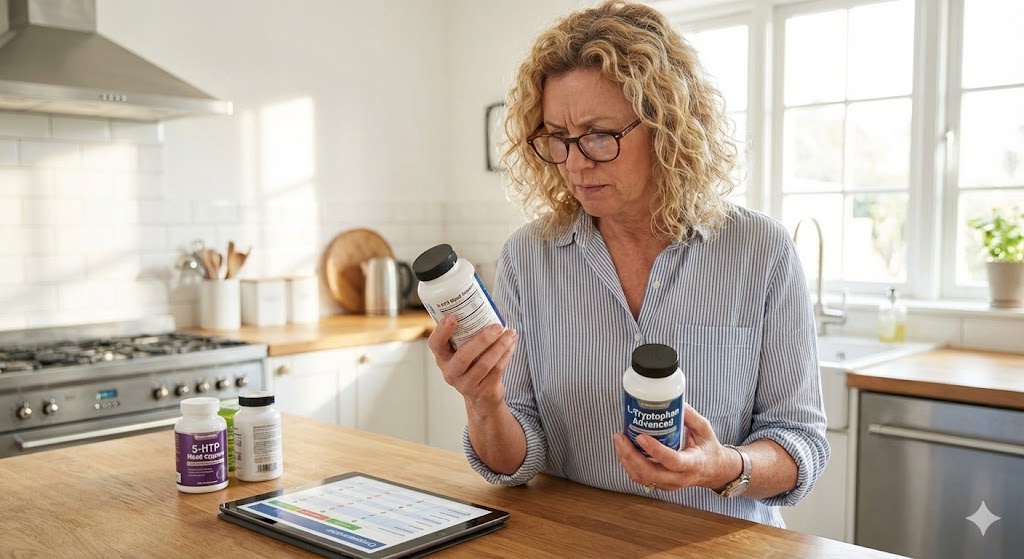
Deciding between 5-HTP vs l-tryptophan for mood support requires a look at how these precursors influence serotonin production. Both compounds serve as building blocks for neurotransmitters, yet they enter the metabolic pathway at different stages, leading to distinct physiological outcomes.
When evaluating these options, it is helpful to view them as different rungs on the same ladder. One is a direct precursor that requires specific enzymatic activity, while the other bypasses a rate-limiting step, changing how the body manages its internal chemical environment.
L-tryptophan is generally considered the safer, more regulated precursor for serotonin synthesis, as it remains subject to the body’s natural feedback loops. 5-HTP acts as a more potent, direct intermediate that bypasses these regulatory checks, making it faster-acting but potentially more disruptive to long-term neurotransmitter homeostasis.
The body produces serotonin through a precise sequence of chemical events. It begins with the essential amino acid l-tryptophan, which is found in protein-rich foods like turkey, eggs, and pumpkin seeds. This amino acid is first converted into 5-hydroxytryptophan (5-HTP) by the enzyme tryptophan hydroxylase.
This specific step is the “gatekeeper” of the entire process. The body monitors how much 5-HTP is being created and will slow down production if levels are already sufficient. This natural regulation helps maintain a stable mood and prevents the system from becoming overwhelmed by excessive neurotransmitter activity.
When you ingest 5-HTP directly, you are essentially jumping over this gatekeeper. Because the body no longer has the ability to “throttle” the production of serotonin at the first step, the conversion to serotonin happens much more rapidly. This can lead to a noticeable shift in how you feel, often described as a sense of calm or improved emotional regulation, but it removes the safety buffer that l-tryptophan provides.
Understanding the difference between these two requires looking at how they interact with the gut and the brain. L-tryptophan is an amino acid, meaning it must compete with other large neutral amino acids to cross the blood-brain barrier. This is why consuming it with a small amount of carbohydrates can be beneficial, as insulin helps clear competing amino acids from the bloodstream, allowing more l-tryptophan to reach the brain.
5-HTP does not face the same competition. It crosses the blood-brain barrier with relative ease, which is why it is often perceived as more “effective” for immediate results. However, this lack of competition also means that 5-HTP is converted into serotonin in the peripheral tissues—such as the gut—before it ever reaches the brain. This can sometimes lead to digestive discomfort, as serotonin is a primary signaling molecule in the gastrointestinal tract.
| Feature | L-tryptophan | 5-HTP |
|---|---|---|
| Regulatory Control | High (rate-limited) | Low (bypasses limit) |
| Blood-Brain Barrier | Requires transport | Easily crosses |
| Primary Side Effect | Drowsiness | Nausea/GI upset |
Neither l-tryptophan nor 5-HTP can function in a vacuum. The conversion of these compounds into serotonin requires the presence of specific micronutrients. Without these, the metabolic pathway stalls, and the supplemental intake may provide little to no benefit for mood or sleep quality.
Vitamin B6, specifically in the form of pyridoxal-5-phosphate, is the most critical co-factor. It acts as a chemical “key” that allows the decarboxylase enzyme to turn 5-HTP into serotonin. If an individual is deficient in vitamin B6, even high doses of 5-HTP will fail to produce the desired increase in serotonin, potentially leading to a buildup of the precursor that the body cannot process efficiently.
Magnesium also plays a supporting role by stabilizing the nervous system and assisting in the overall synthesis of neurotransmitters. Ensuring a diet rich in whole foods—or addressing specific micronutrient gaps—is a foundational step before introducing isolated amino acid supplements. You can find more information on the importance of these nutrients through the National Institutes of Health vitamin B6 fact sheet.
When choosing between these two, consider your primary goal. If you are looking for a gentle, long-term approach to mood stability, l-tryptophan is often the preferred choice. It aligns with the body’s natural rhythm and is less likely to cause the “serotonin spike” that some individuals find uncomfortable or over-stimulating.
For those who experience occasional, acute challenges with sleep onset or mood, 5-HTP may offer a more direct solution. However, it is important to start with the lowest possible dose, often 50mg, to assess how the body responds. Because it is not regulated by the same feedback loops, it is easy to inadvertently take too much, which can lead to unwanted physical sensations.
Always prioritize food-based sources of l-tryptophan first. Incorporating high-quality protein sources like grass-fed beef, wild-caught fish, or fermented soy products provides the body with the raw materials it needs to manage serotonin production naturally. For further reading on dietary amino acid intake, the USDA Food and Nutrition Information Center provides extensive data on protein quality.
It is generally not recommended to combine these two supplements. Doing so can lead to an unpredictable surge in serotonin levels, which may cause physical discomfort or over-stimulation of the nervous system.
Yes, because 5-HTP is converted into serotonin in the gut, it can cause nausea, cramping, or diarrhea in some individuals. Taking it with food or starting with a very low dose can help mitigate these effects.
L-tryptophan typically has a slower onset than 5-HTP. Most individuals notice the effects on sleep or mood after several days of consistent use, as it works to support the body’s natural, gradual production of serotonin.
The choice between 5-HTP and l-tryptophan depends on whether you prefer a regulated, natural metabolic process or a direct, faster-acting intervention. L-tryptophan respects the body’s internal feedback loops, while 5-HTP provides a more potent, immediate pathway to serotonin synthesis.
This information is for educational purposes and does not constitute medical advice. Individuals should consult with a qualified healthcare professional before starting any new supplement regimen, especially if they are currently using other substances that influence neurotransmitter levels.
A practical next step is to track your daily intake of protein and vitamin B6 for one week to see if dietary adjustments improve your mood, before considering the addition of isolated amino acid supplements.
Get Your FREE Ultimate Vitamin Guide!
Join the VitaminProGuide community to receive science-backed supplement reviews, nutritional insights, and absorption tips, delivered straight to your inbox.
Vitaminproguide.com is reader-supported. When you buy through links on our site, we may earn an affiliate commission at no extra cost to you. As an Amazon Associate, we earn from qualifying purchases. Read our full disclosure.