Physical Address
304 North Cardinal St.
Dorchester Center, MA 02124
Physical Address
304 North Cardinal St.
Dorchester Center, MA 02124
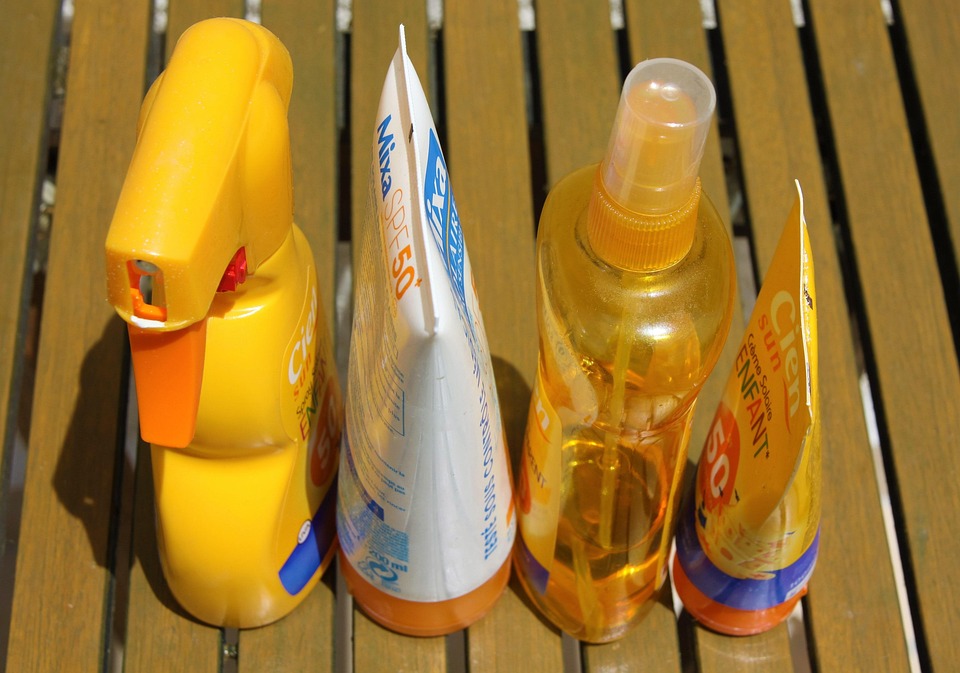
Individuals often seek additional layers of defense against solar radiation during months with peak light intensity. The concept of utilizing internal support alongside topical barriers represents an evolving area of nutritional science. Understanding how specific compounds interact with light-induced oxidative stress remains essential for anyone spending extended hours outdoors.
Research suggests that certain phytonutrients may modulate the body’s systemic response to light exposure. These substances do not replace the necessity of physical barriers such as shade, clothing, or broad-spectrum mineral creams. Instead, they function as secondary nutritional tools to support cellular resilience against the environmental toll of high-index days.
You can effectively integrate these compounds by focusing on antioxidants that help quench free radicals generated within the skin. These supplements are not replacements for standard sun safety habits but serve as supplemental nutrition to maintain healthy skin tissue during peak seasonal exposure.
Exposure to ultraviolet light prompts the skin to produce reactive oxygen species that can disrupt normal cellular function. When the rate of radical production exceeds the body’s endogenous quenching capacity, damage to lipids and proteins may occur. Dietary interventions aim to bolster the internal pool of scavengers available to handle these reactive intermediates.
Carotenoids, such as astaxanthin, serve as potent pigments that localize within lipid membranes. By occupying these sites, they help stabilize the structural integrity of cells against light-induced energy transfer. This stability results in a reduced frequency of cellular signaling markers associated with inflammatory responses to environmental stress.
Beyond structural stability, these compounds support the maintenance of extracellular matrix proteins. By shielding these fibers, the skin preserves its baseline elasticity and firmness throughout the transition from spring to summer. Think of this as internal maintenance that prevents the premature degradation of collagen fibers during frequent sun exposure.
The Nutrex Hawaii BioAstin Astaxanthin is frequently cited as a standard for high-purity cultivation. When choosing these forms, prioritize options derived from algae sources to ensure high concentrations of the desired stereoisomers. Proper storage in a cool, dark location is necessary to prevent premature oxidation of the softgel contents before ingestion.
Botanical extracts containing polyphenols offer a different pathway for addressing light-induced effects. These compounds are known for their ability to interface with cell signaling pathways like the NF-kB cascade, which often becomes upregulated during overexposure. By moderating these pathways, the body may experience a less intense inflammatory profile.
Polyphenols from sources like green tea or pomegranate extract contain high levels of epigallocatechin gallate. These molecules act as metabolic regulators that help keep the inflammatory response within a balanced range. For the user, this means less localized redness and discomfort following a day spent in the heat, as the body’s signaling is kept in a more normalized state.
Consistency is the primary driver of success when using these botanical extracts. These substances require a period of accumulation within the tissue to reach levels sufficient for providing measurable resistance. Skipping days or inconsistent usage patterns often results in a drop in systemic availability, rendering the nutritional support less effective during high-index days.
The Thorne Green Tea Phytosome represents a form engineered for improved absorption kinetics. Using a phytosome delivery system allows the active polyphenol components to pass through lipid membranes more efficiently than standard extracts. This leads to higher circulating concentrations without the need for excessive intake amounts.
Several vitamins play crucial roles in maintaining the structural repair mechanisms of the epidermis. Vitamin C is essential for the synthesis of stable collagen, which provides the foundation for skin resilience. During summer, the increased requirement for these repair proteins makes adequate intake of these micronutrients more important than ever.
Vitamin E works in tandem with these processes by regenerating oxidized antioxidants back into an active state. This recycling loop is critical for sustaining long-term protection during peak summer months. Without this regenerative cycle, the efficacy of primary antioxidants like astaxanthin would diminish rapidly as they are consumed by daily oxidative loads.
According to the National Institutes of Health, maintaining consistent status for these vitamins is vital for overall physiological function. While these are widely available in diet, high-quality supplementation can bridge potential gaps created by increased metabolic demand. Ensuring a steady supply of these cofactors allows the skin to prioritize repair over reactive breakdown.
| Nutrient | Primary Function | Impact on Skin |
|---|---|---|
| vitamin C | Collagen synthesis | Maintains structural integrity |
| vitamin E | Antioxidant recycling | Reduces oxidative stress load |
Incorporating Pure Encapsulations Vitamin C with Flavonoids provides a stable source of this necessary cofactor. Combining this with a diet rich in healthy fats facilitates the uptake of fat-soluble vitamins, which further improves the systemic benefit. Always check labels to ensure the capsule size and contents align with standard, safe ingestion practices.
Timing your nutritional intake relative to your daily schedule can influence the availability of these compounds. Taking antioxidant supplements alongside a fat-containing meal is a fundamental practice for fat-soluble compounds like astaxanthin. This increases the total amount of the nutrient that enters the bloodstream, ensuring that higher concentrations reach the skin cells.
Many individuals find that starting these supplements well before the peak summer heat arrives allows for a sufficient loading phase. This ensures that tissue levels are already optimized when the environmental challenge becomes most intense. Maintaining this baseline is easier than attempting to “load up” only on the day of an excursion.
It is important to evaluate the quality of your supplements based on third-party verification standards. Contamination with heavy metals or fillers can counteract the health benefits you are aiming to achieve. Sticking to brands that emphasize transparency and purity remains the most reliable strategy for long-term health maintenance.
No, nutritional supplements cannot provide a quantified SPF level or replace the physical protection offered by broad-spectrum creams. They should only be used as a secondary strategy to support internal cellular resilience.
Most experts suggest beginning a protocol several weeks prior to expected increased exposure. This allows the compounds to accumulate in tissues and reach a stable, functional concentration.
While many antioxidants work synergistically, excessive intake of certain fat-soluble vitamins can lead to accumulation concerns. It is always safer to stick to recommended usage labels and focus on a varied, nutrient-dense diet.
Supporting your skin during the summer months involves a combination of smart behavioral choices and strategic nutritional support. While antioxidants like astaxanthin and vitamin E provide essential systemic help, they function best as part of a comprehensive safety plan that includes shade and topical protection.
This information is provided for educational purposes and is not a substitute for clinical advice. Always consult with a qualified health professional before starting new supplements to ensure they are appropriate for your individual health status and history.
For your next step, assess your current diet for natural sources of these antioxidants and discuss a potential supplementation schedule with a qualified expert to align with your seasonal goals.
Get Your FREE Ultimate Vitamin Guide!
Join the VitaminProGuide community to receive science-backed supplement reviews, nutritional insights, and absorption tips, delivered straight to your inbox.
Vitaminproguide.com is reader-supported. When you buy through links on our site, we may earn an affiliate commission at no extra cost to you. As an Amazon Associate, we earn from qualifying purchases. Read our full disclosure.