Physical Address
304 North Cardinal St.
Dorchester Center, MA 02124
Physical Address
304 North Cardinal St.
Dorchester Center, MA 02124
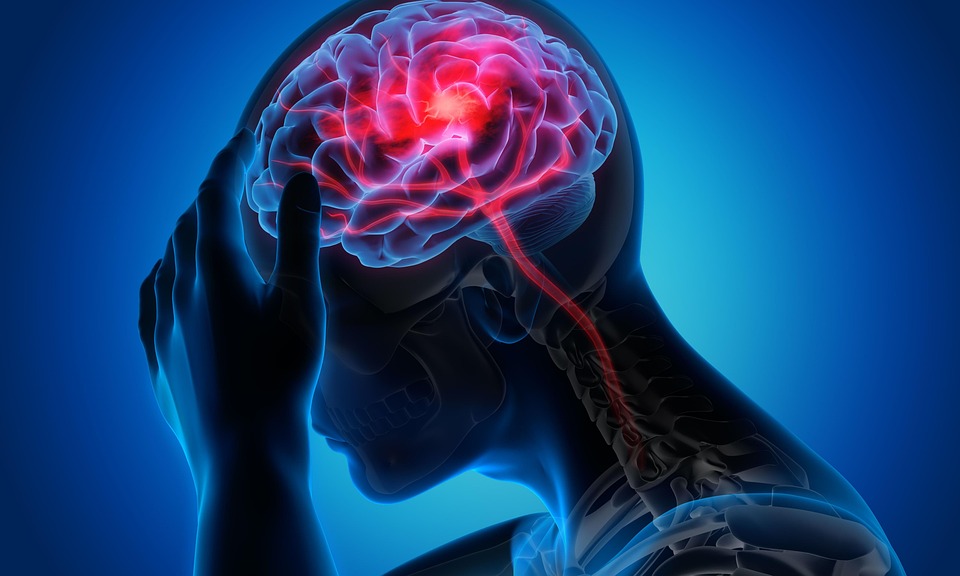
Individuals dealing with sensory instability often seek nutritional strategies to manage their symptoms. Research indicates that specific micronutrients may support cellular function in the inner ear and brain, potentially reducing the frequency of episodes. Understanding these options requires a focused look at biochemical pathways rather than broad dietary changes.
Vascular health and neuronal excitability appear to play roles in how the vestibular system processes spatial information. When these pathways face instability, common symptoms like vertigo, unsteadiness, or motion sensitivity may occur. Identifying appropriate nutritional support relies on aligning specific compounds with the physiological needs of the neurovascular system.
Effective management begins with assessing if dietary gaps exist regarding magnesium, riboflavin, or coenzyme Q10. By addressing these foundational needs through targeted supplementation, many individuals report a stabilization in their daily sensory experience. Consulting with a healthcare provider remains essential before starting any new regimen to ensure compatibility with personal health needs.
Magnesium is a critical mineral involved in over three hundred enzymatic reactions within the human body. It acts as a natural antagonist to NMDA receptors, which are involved in excitatory neurotransmission. By modulating these receptors, magnesium helps prevent the over-activation of neurons that can contribute to sensory overload.
Many people find that Thorne Magnesium Bisglycinate assists in maintaining systemic calmness. When neuronal firing remains within normal limits, the brain manages inputs from the inner ear with greater efficiency. This reduces the likelihood of experiencing sharp vertigo or sudden bouts of dizziness.
Absorption rates vary based on the chemical form of the mineral used. Chelated forms are often preferred because they are better tolerated by the digestive system compared to inorganic salts. Stable magnesium levels throughout the day support a steady threshold against environmental stressors that might otherwise trigger a vestibular event.
The vestibular system is highly energy-dependent, requiring robust mitochondrial performance to maintain equilibrium. Riboflavin, or vitamin B2, serves as a precursor to FAD, a coenzyme essential for the electron transport chain. When this pathway functions optimally, the cells in the inner ear and brain produce sufficient ATP to handle complex motion data.
Alongside riboflavin, coenzyme Q10 plays a significant role in energy transfer. Products like Qunol Mega CoQ10 focus on bioavailability to ensure the compound reaches systemic tissues effectively. A well-fueled vestibular system can better withstand fluctuations in oxygen or nutrient delivery.
Energy production efficiency prevents metabolic crashes that can lead to sensory distortion. You gain a more predictable internal environment because these compounds ensure that neural signaling remains consistent during periods of high demand. Proper mitochondrial function effectively acts as a buffer against the fatigue that often accompanies dizziness.
Vitamin D3 is not merely a vitamin but a secosteroid hormone that influences hundreds of genes. The inner ear expresses receptors for this hormone, suggesting it plays a role in calcium homeostasis within the labyrinth. Maintaining adequate levels is supported by evidence provided by the National Institutes of Health, which outlines how this nutrient supports structural integrity. Using a high-quality supplement like NatureWise Vitamin D3 can help maintain these levels year-round.
Sufficient levels of this nutrient help regulate the fluid dynamics within the vestibular apparatus. When calcium signaling is precise, the otoconia, or ear stones, remain positioned correctly, which prevents common forms of positional vertigo. Structural balance feels like a reduction in the “spinning” sensation when transitioning from lying down to standing.
It is important to test baseline levels before initiating high-dose supplementation. Excessive intake can disrupt the very balance you are trying to achieve, making blood work a prerequisite for optimization. A stable internal hormonal environment acts as a bedrock for the vestibular system to maintain spatial orientation.
| Nutrient | Primary Benefit | Ideal Delivery Form |
|---|---|---|
| magnesium | neuronal excitability control | bisglycinate |
| vitamin B2 | mitochondrial ATP efficiency | riboflavin-5-phosphate |
Inflammation within the inner ear or the vestibular nerve can exacerbate dizziness and imbalance. EPA and DHA, the active components in fish oil, work by modulating inflammatory signaling molecules like prostaglandins. By dampening the production of NF-kB, these fatty acids help create a calmer environment for nerve signaling.
Selecting a clean, third-party tested source like Nordic Naturals Ultimate Omega provides the purity necessary for long-term health. These compounds also support the fluidity of cellular membranes, allowing for faster and more accurate communication between the ears and the brain. This translates to quicker recovery times when the vestibular system encounters a challenging sensory environment.
The body does not produce these essential fats in significant quantities, making external sourcing critical. Integrating them into a fat-containing meal ensures optimal absorption and helps maintain the integrity of myelin sheaths surrounding the vestibular nerve. This prevents the “noisy” signaling that often manifests as persistent lightheadedness.
Many individuals safely combine these compounds, but it is necessary to consider the cumulative effect on your metabolism. Always introduce one nutrient at a time to monitor how your body responds before adding others.
Biological shifts in cellular metabolism do not happen overnight. Most users report a gradual change in symptom frequency over several months of consistent daily use.
Hydration and stable blood glucose levels are often as important as any supplement. Information from the National Institute on Aging suggests that maintaining overall systemic health supports sensory function as we age.
Addressing vestibular issues through nutrition involves supporting the energy production and chemical stability of your nervous system. By utilizing magnesium, riboflavin, coenzyme Q10, vitamin D3, and omega-3 fatty acids, you provide your body with the tools to manage sensory data more effectively. Each component serves a distinct role in keeping the inner ear and brain functioning in harmony.
This guide is for informational purposes and does not replace professional medical advice, diagnosis, or clinical care. Always consult with your primary healthcare provider before beginning any new supplement protocol to avoid potential interactions or health risks. They can help you determine the appropriate approach based on your unique health profile.
Start by scheduling a consultation with your doctor to discuss which of these options fits your specific needs. Testing your baseline levels for vitamin D3 or magnesium is a practical first step toward a more personalized and effective plan.
Get Your FREE Ultimate Vitamin Guide!
Join the VitaminProGuide community to receive science-backed supplement reviews, nutritional insights, and absorption tips, delivered straight to your inbox.
Vitaminproguide.com is reader-supported. When you buy through links on our site, we may earn an affiliate commission at no extra cost to you. As an Amazon Associate, we earn from qualifying purchases. Read our full disclosure.