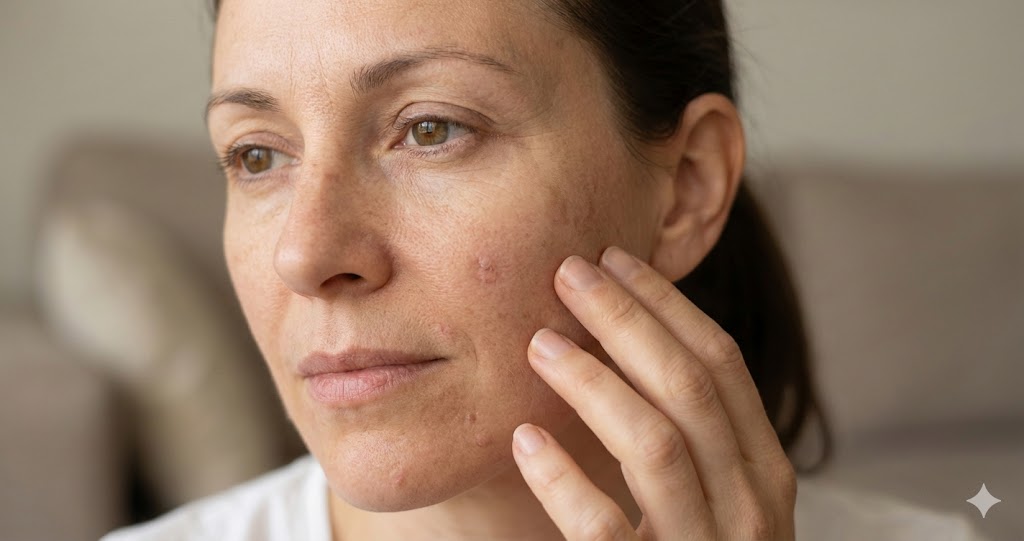
My review of skin texture reveals a complex issue that extends far beyond acne. Many individuals mistakenly attribute their skin’s texture solely to breakouts, ignoring the broader spectrum of factors that contribute to this condition.
Research indicates that skin texture can be influenced by various elements, including genetics, environmental factors, and lifestyle choices. My findings emphasize that understanding these factors is crucial for developing effective treatment strategies.
In my exploration, I have discovered that many people are unaware of how their skincare routines can impact skin texture. Products that are too harsh or not suitable for one’s skin type can exacerbate existing texture issues. This highlights the importance of personalized skincare regimens.
Overall, my analysis suggests that skin texture is a multifaceted concern. Addressing it requires a comprehensive approach that considers all potential influences, not just acne.
Exploring Skin Texture: Beyond Just Acne
- Daily supplements should include Vitamin C and Omega-3 fatty acids for improved skin health.
- Use topical retinoids in the evening to promote cell turnover and improve texture.
- Hydration is essential; aim for at least eight glasses of water daily to support skin elasticity.
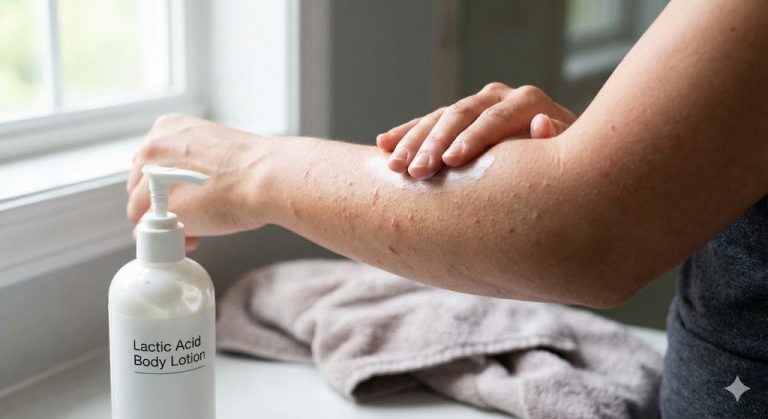
- Regular exfoliation, about twice a week, can help remove dead skin cells and enhance texture.
The Preparation
Understanding skin texture begins with recognizing its various contributors. Factors such as hormonal changes, environmental exposure, and even genetics play significant roles. A thorough assessment of one’s skin type can guide appropriate product choices.
Preparing the skin for treatment involves cleansing and exfoliating to eliminate dead skin cells. This step is vital in ensuring that subsequent products can penetrate effectively. Utilizing a gentle exfoliant two to three times a week can create a smoother canvas for skincare application.
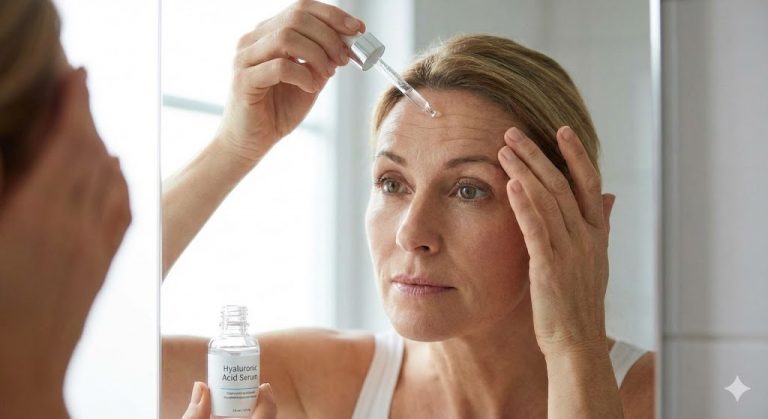
Incorporating hydrating serums can further enhance skin preparation. Ingredients like hyaluronic acid can attract moisture, improving overall texture. This step should be part of a daily routine for optimal results.
The Adjustment Phase
Once the skin is prepared, transitioning to specific treatments is crucial. Topical retinoids can aid in promoting cell turnover, addressing uneven texture. They should be introduced gradually to minimize irritation.
During this phase, observing how the skin reacts to new products is essential. Any signs of irritation or excessive dryness should prompt a reassessment of the regimen. Adjusting the frequency of application can help in finding the right balance.
In addition to topicals, dietary adjustments can support skin health. Consuming a balanced diet rich in antioxidants can improve skin texture over time. Foods high in vitamins A, C, and E are particularly beneficial.
Long-Term Management
Sustaining improvements in skin texture requires a long-term commitment. Regular use of effective products is necessary for maintaining results. This includes both topical treatments and supplements.
Incorporating sun protection into the routine cannot be overstated. Daily application of broad-spectrum sunscreen helps prevent further damage and maintains texture improvements. This is a non-negotiable step in any skincare regimen.
Periodic consultations with a dermatologist can also provide valuable insights. Professional guidance can help in adjusting treatments based on evolving skin needs. Staying informed about new developments in skin care can further enhance long-term management.
Biological Factors Influencing Skin Texture
The role of collagen in skin texture cannot be overlooked. Collagen provides structural support, and its degradation leads to uneven skin. Factors such as aging, sun exposure, and lifestyle choices can accelerate this process.
Research shows that maintaining collagen levels is critical for skin integrity. Studies indicate that collagen supplementation can improve skin elasticity and texture. Evidence supports the use of specific peptides that stimulate collagen production, enhancing overall skin health. For further reading, visit NIH.
Additionally, the skin’s barrier function is vital for maintaining texture. A compromised barrier can lead to moisture loss and increased sensitivity. Strengthening the barrier through the use of ceramides and fatty acids can significantly improve skin texture over time.
Common Errors in Addressing Skin Texture
Mistakes in skincare routines can hinder progress in improving skin texture. One common error is over-exfoliation. While exfoliating is beneficial, doing it too frequently can lead to irritation and worsen texture. The fix is to limit exfoliation to two times a week.
Using harsh products is another mistake many make. Aggressive cleansers can strip the skin of essential oils, leading to dryness and uneven texture. Switching to gentle, hydrating cleansers can dramatically improve the skin’s condition.
Neglecting sun protection is a critical oversight. Without proper SPF, the skin can suffer from damage that exacerbates texture issues. Implementing a daily sunscreen routine is essential for long-term skin health.
Skin Texture Key Comparisons
| Factor | Observation | Typical Result |
|---|---|---|
| Collagen Levels | Decreased with age | Loss of elasticity and increased texture irregularities |
| Hydration | Low moisture levels | Rough texture and increased appearance of fine lines |
| Exfoliation Frequency | Over-exfoliation vs. under-exfoliation | Compromised barrier and uneven texture |
Maximizing Results for Skin Texture Improvement
Stacking hydrating ingredients can enhance skin texture significantly. Combining hyaluronic acid with glycerin can boost moisture retention, leading to plumper skin. This synergy allows for a more effective hydration strategy.
Lifestyle adjustments also play a crucial role. Incorporating stress management techniques can reduce hormonal fluctuations that impact skin texture. Practices like meditation and regular exercise can contribute to better skin health.
Who Should Avoid This?
- Individuals with sensitive skin should avoid harsh exfoliants that may cause irritation.
- Those with specific allergies to ingredients like retinoids should consult a dermatologist before use.
- People undergoing certain medical treatments should be cautious, as their skin may be more vulnerable.
- Anyone with active skin infections should refrain from using topical treatments until cleared by a healthcare professional.
Final Take
- My Honest Assessment: Skin texture improvement is worth the effort when approached correctly.
- The Smart Play: Tailor your routine based on your specific skin needs and be patient for results.
- Final Word: Understanding the factors influencing skin texture is essential for achieving the desired outcome.
Common Questions
What causes uneven skin texture?
Uneven skin texture can result from factors such as aging, sun damage, and improper skincare.
Can diet affect skin texture?
A diet rich in antioxidants and hydration can significantly improve skin texture over time.
How often should I exfoliate?
Exfoliating two to three times a week is generally recommended for most skin types.
Are there treatments for improving skin texture?
Yes, treatments such as retinoids, chemical peels, and microneedling can enhance skin texture effectively.
Get Your FREE Ultimate Vitamin Guide!
Join the VitaminProGuide community to receive science-backed supplement reviews, nutritional insights, and absorption tips, delivered straight to your inbox.