Physical Address
304 North Cardinal St.
Dorchester Center, MA 02124
Physical Address
304 North Cardinal St.
Dorchester Center, MA 02124
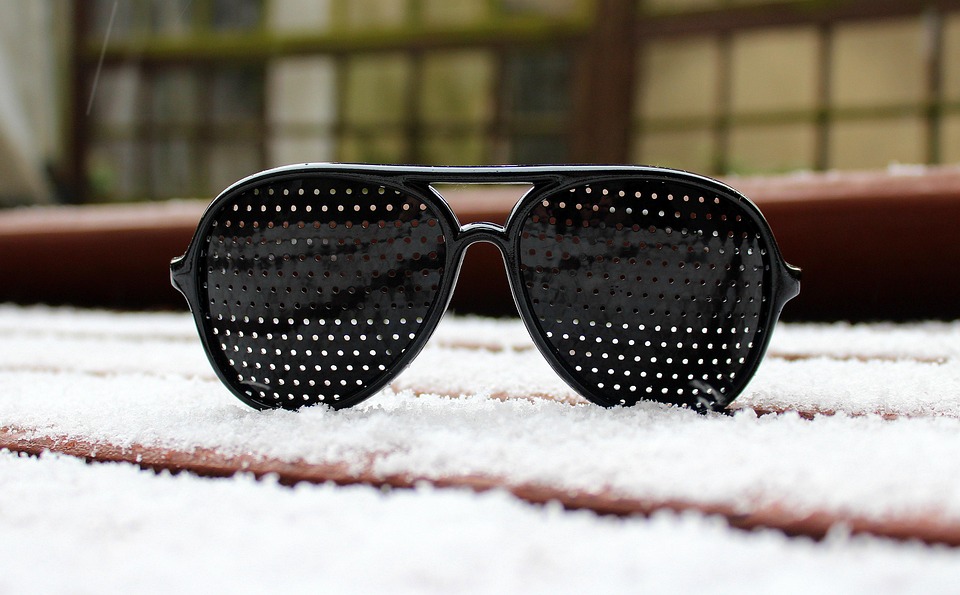
Pinhole glasses for vision training serve as an alternative optical tool designed to alter the way light enters the human eye. These devices consist of opaque lenses with a series of small, precisely spaced perforations rather than corrective glass or plastic lenses. By restricting the amount of light and the angle at which it hits the retina, these tools rely on fundamental principles of physics to modify visual perception.
The central mechanism involves the reduction of the circle of confusion on the retina. When light passes through a tiny aperture, it creates a sharper image by minimizing peripheral light scatter. This optical adjustment allows individuals to focus on objects more clearly without relying on the refractive correction typically provided by standard eyewear. These glasses are often investigated for their potential to help with temporary visual strain reduction.
Pinhole eyewear operates by increasing the depth of field through the stenopeic principle. By narrowing the aperture of light entry, the device forces the light to strike the central part of the macula, which provides the highest level of visual acuity. This effectively reduces the blur associated with common refractive errors for many people, though it does not provide the same broad field of view as standard corrective lenses.
The primary function of these glasses is based on the stenopeic effect, which occurs when an aperture is small enough to limit the range of light rays reaching the retina. Standard eyes require the lens and cornea to bend light onto a specific focal point. When that focal point is slightly off, as seen in common refractive issues, the image appears blurred. By blocking the light rays that arrive at wider angles, pinhole glasses ensure only the most direct rays reach the eye.
This narrowing of light creates a significantly higher depth of field, which allows both near and distant objects to appear relatively sharp at the same time. This is a common physical phenomenon observed in photography when the aperture of a camera lens is closed down. The resulting clarity comes at the cost of overall light transmission, which makes these glasses less effective in low-light environments.
While this mechanism provides a clearer image, it is important to note that the brain receives significantly less total light input. For an individual, this means that while text on a screen may appear sharper, the overall scene will look darker and restricted. This trade-off between clarity and brightness is the fundamental nature of the device.
Users who wear iFocus Pinhole Glasses often notice a change in how they experience screen glare. Because the holes block excess peripheral light, the glare from bright monitors or artificial lights is naturally suppressed. This physical reduction in light interference often results in a more comfortable experience for those who spend significant time in high-contrast environments.
Scientific research into eye health often emphasizes the role of the ciliary muscles and the flexibility of the crystalline lens. According to the National Eye Institute, refractive errors are primarily caused by the shape of the eyeball rather than muscle fatigue alone. While some proponents suggest that using these glasses exercises the eyes, current medical consensus indicates that structural myopia or hyperopia is not corrected by simple mechanical viewing aids.
The concept of vision training often focuses on improving eye-teaming and focus flexibility. However, the use of passive devices like pinhole glasses does not involve the active neural feedback loops required for true vision therapy. The sensation of improved clarity is a direct result of the pinhole aperture and ceases the moment the glasses are removed. The eyes return to their baseline refraction immediately because the physical constraints of the eye’s shape have not changed.
It is helpful to compare these devices to other supportive measures. For instance, the use of Thorne Vitamin D3 or Nordic Naturals Omega-3 supports systemic health, which includes ocular tissue integrity. While these nutrients are vital for long-term health, they work through biochemical pathways rather than optical physics. Unlike the passive effect of pinhole glasses, systemic nutrient support focuses on the health of the retina and the health of the tear film.
| Feature | Pinhole Glasses | Corrective Eyewear |
|---|---|---|
| Light transmission | Low | High |
| Mechanism | Stenopeic effect | Refractive bending |
| Field of view | Limited | Wide |
| Correction | Temporary | Constant |
If you choose to use these glasses, usage should be restricted to short durations. Because the device blocks significant light, the visual cortex must adjust to lower brightness levels, which can induce eye fatigue if worn for extended periods. It is advisable to use them only when performing tasks that require fixed-distance focus, such as reading or looking at a computer screen.
Never wear these glasses while operating heavy machinery or driving. The restricted field of vision and lower light levels significantly increase the risk of missing peripheral motion. The reduction in depth perception caused by the small holes makes navigating dynamic environments unsafe. Always prioritize situational awareness over the potential benefits of the device.
Individuals who have irregular astigmatism or other ocular abnormalities may find that the holes create strange artifacts or double images. This occurs due to light diffraction patterns when light passes through such small openings. If you notice persistent discomfort or strange light patterns, cease use immediately. The goal is to provide visual relief, not to introduce additional stressors to your visual system.
Total visual health involves more than just how light reaches the retina. The surface of the eye relies on proper moisture and lipid balance to remain clear. Incorporating Life Extension Dry Eye Relief or other high-quality ocular supports can often do more for your day-to-day comfort than mechanical glasses. Healthy tear production reduces the scatter that often mimics the need for corrective vision.
Furthermore, regular check-ups with a qualified professional remain the most reliable way to monitor eye health. According to the Centers for Disease Control and Prevention, early detection of eye conditions is vital for long-term clarity. Reliance on self-managed optical tools should never delay necessary consultations with specialists who can conduct a full exam of the retina and ocular pressure.
Many people find that simple habits, such as the 20-20-20 rule, provide more lasting relief than any wearable tool. By resting the eyes every few minutes to look at a distant object, you allow the ciliary muscles to relax naturally. This active rest cycle prevents the accumulation of tension and is generally considered more effective for reducing digital eye strain than passive mechanical aids.
No, there is no evidence that pinhole glasses can change the physical shape of your eyes or provide a permanent correction for refractive errors. They provide a temporary improvement in focus only while you are looking through the apertures.
They are generally considered safe for short-term use in well-lit environments, but they are not intended for continuous, all-day wear. The reduction in light and peripheral vision makes them unsuitable for activities like walking, driving, or playing sports.
The improvement is due to the stenopeic effect, which blocks out-of-focus light rays. By only allowing light to enter through the center of the pupil, the device creates a sharper image on your retina, mimicking the way a camera lens functions when set to a small aperture.
Pinhole glasses function as an optical tool that uses the stenopeic effect to improve clarity by narrowing the path of light reaching your retina. While they offer a temporary way to sharpen images and reduce glare, they do not provide a cure for refractive errors or replace the need for traditional vision care.
This information is for educational purposes and does not replace professional medical advice. If you are experiencing sudden changes in vision, persistent pain, or difficulty focusing, consult with a qualified eye specialist to ensure your eyes remain healthy and protected.
For the best results in maintaining your vision, focus on consistent lifestyle habits, such as taking regular breaks from digital screens and supporting your ocular health with a balanced diet or appropriate supplementation as discussed with your health advisor. If you are looking for ways to support your ocular moisture, consider researching options like Nordic Naturals Complete Omega to help maintain healthy tissues.
Get Your FREE Ultimate Vitamin Guide!
Join the VitaminProGuide community to receive science-backed supplement reviews, nutritional insights, and absorption tips, delivered straight to your inbox.
Vitaminproguide.com is reader-supported. When you buy through links on our site, we may earn an affiliate commission at no extra cost to you. As an Amazon Associate, we earn from qualifying purchases. Read our full disclosure.