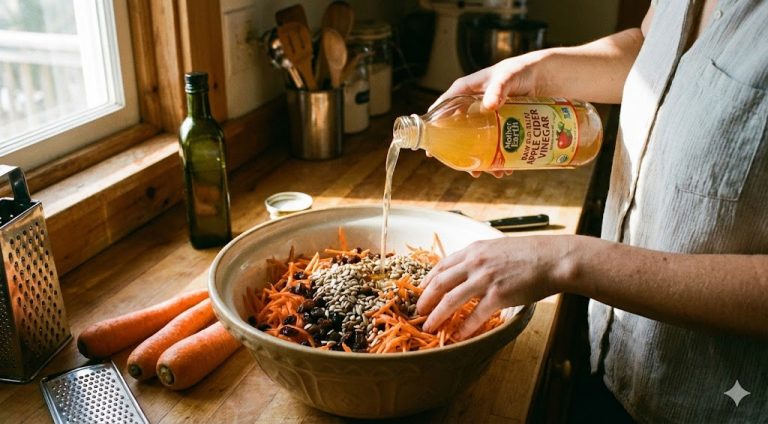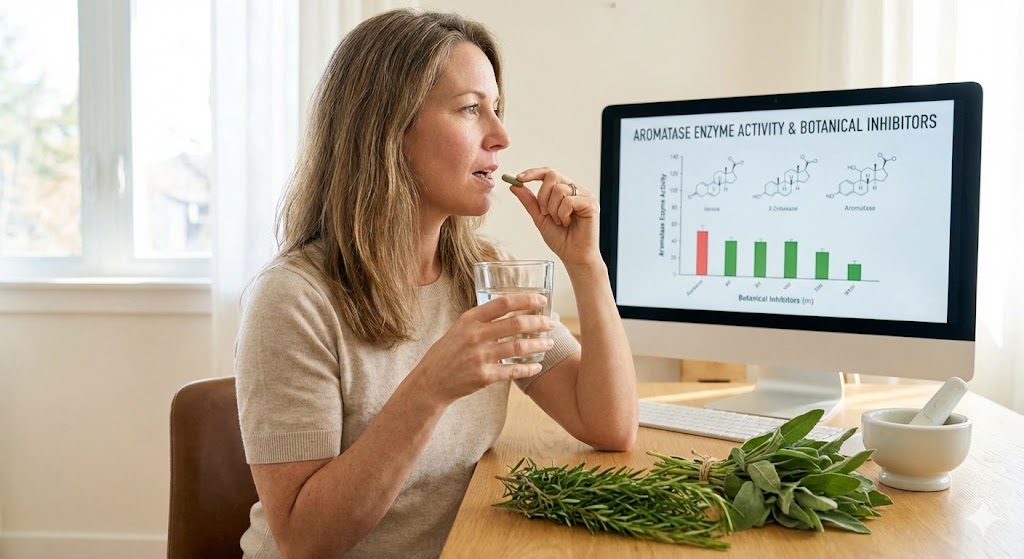
My review of natural ways to support aromatase enzyme inhibition CYP19A1 has led me to explore various dietary and lifestyle factors that may play a significant role in regulating estrogen levels. Aromatase is an enzyme crucial for converting androgens into estrogens, and its activity can influence hormonal balance in both men and women. The implications of this enzyme’s regulation are vast, affecting everything from weight management to hormone-sensitive diseases. My analysis has revealed several natural compounds and lifestyle adjustments that may inhibit aromatase activity effectively.
Research indicates that certain foods and supplements can help in this regard. For instance, specific fruits and vegetables are rich in phytochemicals that demonstrate potential aromatase-inhibiting properties. Additionally, lifestyle factors such as physical activity and body composition can impact enzyme activity. My findings suggest that an integrative approach, including dietary modifications and physical activity, may yield the best results.
While the data is promising, I acknowledge that more research is needed to fully understand the implications of these natural strategies. Individual responses can vary widely based on genetics, existing health conditions, and lifestyle factors. As I continue to analyze this topic, I emphasize the importance of consulting healthcare professionals before making significant changes to diet or lifestyle.
The exploration of aromatase inhibition is not merely academic. It has real-world implications for health and wellness. My commitment to providing evidence-based information guides my review as I aim to empower readers to make informed decisions regarding their hormonal health.
Support Strategies for Aromatase Inhibition
- Dosage/Timing: Incorporate 200-400 mg of resveratrol daily for potential aromatase inhibition.
- Dosage/Timing: Take 500-1000 mg of curcumin with black pepper extract to enhance absorption.
- Function/Timeline: Engage in at least 150 minutes of moderate exercise weekly to support hormonal balance.
- Function/Timeline: Maintain a healthy weight to reduce aromatase activity associated with adipose tissue.
Dietary Adjustments
Incorporating specific foods into the diet can help inhibit aromatase activity. Cruciferous vegetables, such as broccoli and Brussels sprouts, contain glucosinolates that may reduce estrogen levels. Foods rich in omega-3 fatty acids, such as fatty fish and flaxseeds, also show promise. These dietary changes can be implemented gradually for better adherence.
Fruits like grapes and berries are rich in antioxidants and phytochemicals that may inhibit aromatase. Regular consumption of these fruits can provide a natural source of compounds that support hormonal balance. Including a variety of colors in the diet enhances nutrient intake while targeting aromatase inhibition.
Herbs and spices also play a significant role in dietary aromatase inhibition. Turmeric, known for its active compound curcumin, shows potential in reducing aromatase activity. Ginger and garlic have also been associated with hormonal regulation. Adding these spices to meals can enhance flavor while supporting health.
Supplementation Options
Several supplements have gained attention for their potential to inhibit aromatase. Resveratrol, a compound found in red wine and certain berries, has been studied for its effects on estrogen metabolism. A daily dose of 200-400 mg may provide benefits. However, it is crucial to choose high-quality supplements for maximum efficacy.
Curcumin, derived from turmeric, is another supplement worth considering. It has been shown to inhibit aromatase in various studies. Taking curcumin with black pepper extract enhances its bioavailability. A daily intake of 500-1000 mg may be beneficial.
Other supplements like DIM (diindolylmethane) derived from cruciferous vegetables can support estrogen metabolism. It may help balance estrogen levels, thus inhibiting aromatase activity. Following recommended dosages is essential to optimize results.
Lifestyle Modifications
Regular physical activity is a crucial aspect of managing aromatase activity. Engaging in at least 150 minutes of moderate exercise weekly can help regulate hormones effectively. Exercise aids in weight management, which is vital since excess body fat can increase aromatase activity.
Maintaining a healthy weight is essential for hormonal balance. Adipose tissue produces estrogen through aromatase, so reducing body fat can lower estrogen levels. A combination of a balanced diet and exercise can help achieve and maintain a healthy weight.
Stress management also plays a role in hormonal health. Chronic stress can lead to hormonal imbalances, potentially increasing aromatase activity. Techniques such as mindfulness, yoga, and adequate sleep can support overall hormonal balance.
Biological Impact of Aromatase Inhibition
Aromatase inhibition directly influences estrogen levels in the body. Estrogen plays a significant role in various physiological processes, and its regulation is crucial for maintaining hormonal balance. High levels of estrogen have been linked to various health issues, including hormone-sensitive cancers.
Research supports the idea that natural compounds can effectively inhibit aromatase activity. For example, a study published in the Journal of Nutritional Biochemistry examined the effects of curcumin on aromatase inhibition. The findings indicated that curcumin significantly reduced aromatase activity in vitro. This evidence bolsters the case for using dietary strategies to manage estrogen levels. For further details, see the National Institutes of Health.
Understanding the biological impact of aromatase inhibition highlights the importance of dietary and lifestyle interventions. By targeting aromatase activity, individuals can potentially reduce the risk of health issues associated with elevated estrogen levels. Continued research will provide more insights into these natural strategies.
Frequent Errors in Aromatase Management
Many individuals overlook the significance of consistency when implementing dietary changes. Inconsistent intake of aromatase-inhibiting foods or supplements can lead to suboptimal results. Establishing a routine can help ensure that beneficial compounds are consumed regularly.
Another common mistake involves neglecting the role of exercise. Some may focus solely on dietary changes, overlooking the importance of physical activity in managing aromatase activity. Incorporating regular exercise is essential for achieving hormonal balance.
Finally, relying solely on supplements without dietary adjustments is a frequent error. Supplements should complement a balanced diet rather than replace it. Combining both approaches maximizes the potential for effective aromatase inhibition.
Aromatase Inhibition Key Comparisons
| Factor | Observation | Typical Result |
|---|---|---|
| Aromatase Inhibitors | Natural compounds like curcumin | Reduced estrogen levels |
| Body Weight | Higher body fat percentage | Increased aromatase activity |
| Exercise | Regular physical activity | Improved hormonal balance |
Maximizing Aromatase Inhibition
Stacking supplements can enhance the effectiveness of aromatase inhibitors. Combining resveratrol and curcumin may provide synergistic effects, amplifying their aromatase-inhibiting properties. This approach maximizes the potential benefits of both compounds.
Additionally, enhancing bioavailability through dietary choices can improve results. Consuming fats with supplements can aid absorption. For instance, taking curcumin with a source of healthy fat, such as avocado or olive oil, can enhance its efficacy. This strategy allows for better utilization of the compounds in the body.
Who Should Avoid This?
- Pregnant or breastfeeding women: Hormonal fluctuations during these periods require caution in managing aromatase activity.
- Individuals on hormone replacement therapy: Supplementing with aromatase inhibitors may interfere with prescribed treatments.
- People with liver conditions: Some supplements may affect liver function, warranting avoidance for those with existing liver issues.
Final Take
- My Honest Assessment: Natural aromatase inhibition is worth exploring for those concerned about hormonal balance.
- The Smart Play: Focus on a balanced diet rich in specific foods and consider supplements as adjuncts.
- Final Word: Informed choices can lead to significant benefits in managing estrogen levels.
Common Questions
What foods are best for aromatase inhibition?
Cruciferous vegetables, berries, and foods rich in omega-3 fatty acids are beneficial.
Can supplements alone help with aromatase inhibition?
Supplements can assist but should be combined with dietary changes for optimal results.
Is exercise necessary for aromatase inhibition?
Yes, regular exercise plays a crucial role in managing hormonal balance.
How long does it take to see results from these strategies?
Individual responses vary, but consistent implementation may show results within a few weeks to months.
Get Your FREE Ultimate Vitamin Guide!
Join the VitaminProGuide community to receive science-backed supplement reviews, nutritional insights, and absorption tips, delivered straight to your inbox.