Physical Address
304 North Cardinal St.
Dorchester Center, MA 02124
Physical Address
304 North Cardinal St.
Dorchester Center, MA 02124
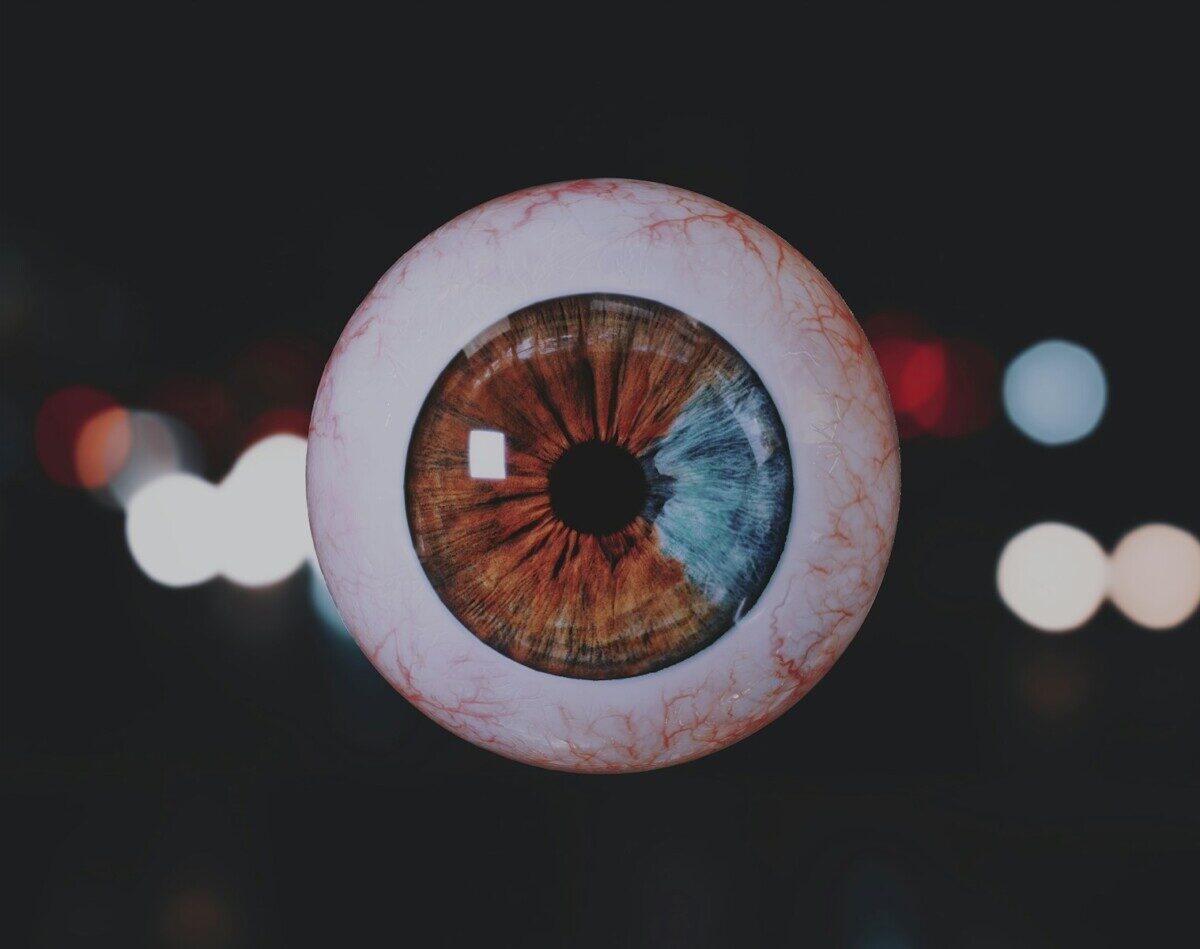
Visual disturbances such as dark spots or sudden bursts of light can occur due to changes within the ocular structure. Identifying the specific causes of eye floaters and flashes involves evaluating how the vitreous humor interacts with the retina over time. Many individuals report these phenomena as natural shifts in ocular health during the aging process.
The eye contains a gel-like substance called the vitreous that maintains its shape and clarity. When this gel undergoes structural changes, it casts shadows on the retina, which are perceived as moving specks or threads. Light flashes, conversely, result from physical stimulation of the retina, often tied to the detachment or shifting of the vitreous from the back of the eye.
These symptoms are primarily linked to the age-related liquefaction of the vitreous gel and its subsequent posterior detachment. While often benign, persistent or sudden increases in these symptoms warrant a professional evaluation to ensure the structural integrity of the retina remains intact. Understanding these mechanisms helps differentiate common physiological changes from events requiring prompt clinical attention.
The vitreous body consists mostly of water, collagen fibrils, and hyaluronic acid. As aging progresses, these collagen fibers begin to aggregate and clump together, disrupting the uniform transparency of the gel. This physical clumping creates small opacities that drift through the visual field, which the brain perceives as floaters. Using high-quality support like NOW Supplements Hyaluronic Acid may help in maintaining general connective tissue health, though internal ocular dynamics are primarily governed by long-term structural changes.
The transformation from a uniform gel to a more liquid state is a process known as syneresis. During this process, the vitreous slowly shrinks and pulls away from the retinal surface. This structural shift can cause traction, leading to the brief, bright flashes of light that some individuals notice in their peripheral vision. This physical separation is a normal part of ocular development for many people as they transition into later life.
Beyond structural changes, nutritional status plays a role in the integrity of the ocular environment. Research from the National Eye Institute emphasizes that systemic health correlates with the maintenance of ocular structures. Ensuring adequate levels of protective nutrients is a standard approach to supporting long-term eye health. Some individuals find that incorporating Nordic Naturals Omega-3 into their daily routine supports the fatty acid balance necessary for healthy tissue function.
Posterior vitreous detachment (PVD) is a significant event where the posterior hyaloid membrane separates from the retina. This occurs when the vitreous has liquefied enough to collapse inward. The physical tension exerted on the retina during this separation causes the brain to interpret mechanical pressure as flashes of light. This sensory mismatch explains why people often see bursts or sparks even in dark environments.
The sudden appearance of a shower of floaters accompanied by flashes suggests a more active process of detachment. In most cases, the vitreous completes this separation without causing lasting damage to the retina. However, if the vitreous remains attached to a weak area of the retina, it can pull hard enough to create a tear. Identifying these physical sensations early allows for better management of ocular wellness.
Clinical literature suggests that metabolic factors influence how quickly the vitreous changes over time. Maintaining stable glucose levels is important for overall vascular and ocular health, as indicated by guidelines from the Centers for Disease Control and Prevention. Stable blood sugar supports the health of the microvasculature that feeds the back of the eye, indirectly influencing the environment where the vitreous resides.
When selecting support for the eyes, it is helpful to understand the difference between various chemical forms. The table below outlines common categories of support used by individuals to maintain healthy vision cycles.
| Nutritional Metric | Primary Function | Targeted Benefit |
|---|---|---|
| lutein and zeaxanthin | Blue light filtration | Reduces glare and light sensitivity |
| vitamin C and vitamin E | Antioxidant support | Protects ocular cells from oxidative damage |
Environmental stressors like prolonged exposure to blue light or digital strain can exacerbate the perception of visual disturbances. While these factors do not typically cause the physical floaters themselves, they increase ocular fatigue, making existing floaters more noticeable. Using a blue-light-blocking filter or taking breaks from screens helps reduce the strain on the eyes, making internal visual phenomena less intrusive.
Proper hydration is also essential for maintaining the fluid balance within the vitreous humor. Because the vitreous is composed primarily of water, systemic dehydration can theoretically impact the volume and consistency of the ocular gel. Consistent water intake is a fundamental aspect of supporting healthy bodily fluids, including the aqueous and vitreous humors. Some may choose to add Thorne Vitamin D3 to their regimen, as this nutrient is involved in immune regulation and systemic cellular health.
Finally, protective eyewear remains a primary defense against external injury to the eye. Blunt trauma to the head or face can cause rapid shifts in the vitreous, leading to the immediate onset of floaters or flashes. By wearing proper gear during high-impact activities, the risk of traumatic vitreous detachment is significantly lowered. Prioritizing physical safety is a practical, non-invasive method for preserving the delicate anatomy of the eye.
No, most floaters are the result of natural aging and are not considered emergencies. However, a sudden, massive increase in floaters or the sensation of a curtain over your vision should be evaluated immediately by a professional to ensure the retina is not compromised.
Supplements cannot dissolve or remove existing floaters, as these are physical collagen condensations. They may, however, support the long-term health of the surrounding ocular tissue and potentially slow the rate of future degradation.
Flashes of light are caused by mechanical stimulation of the retina, often by the vitreous pulling on it. In bright light, these subtle flashes are washed out by ambient illumination, but in the dark, the contrast makes them much more apparent to the observer.
Eye floaters and flashes are generally manifestations of the vitreous humor naturally changing its structure as the eye ages. While these symptoms are often harmless, they represent physical changes that occur within the eye chamber. Staying informed about your eye health and observing changes in your vision is a proactive approach to long-term wellness.
This information is for educational purposes and does not serve as medical advice, diagnosis, or treatment for any condition. Always seek the advice of a qualified healthcare provider with any questions regarding your physical symptoms or vision health. Do not disregard professional medical advice because of something you have read here.
To maintain your long-term eye health, schedule a routine comprehensive eye exam if you notice any new or persistent changes in your visual field. A professional assessment is the most effective way to confirm that your eye structures are healthy and functioning as intended.
Get Your FREE Ultimate Vitamin Guide!
Join the VitaminProGuide community to receive science-backed supplement reviews, nutritional insights, and absorption tips, delivered straight to your inbox.
Vitaminproguide.com is reader-supported. When you buy through links on our site, we may earn an affiliate commission at no extra cost to you. As an Amazon Associate, we earn from qualifying purchases. Read our full disclosure.