Physical Address
304 North Cardinal St.
Dorchester Center, MA 02124
Physical Address
304 North Cardinal St.
Dorchester Center, MA 02124

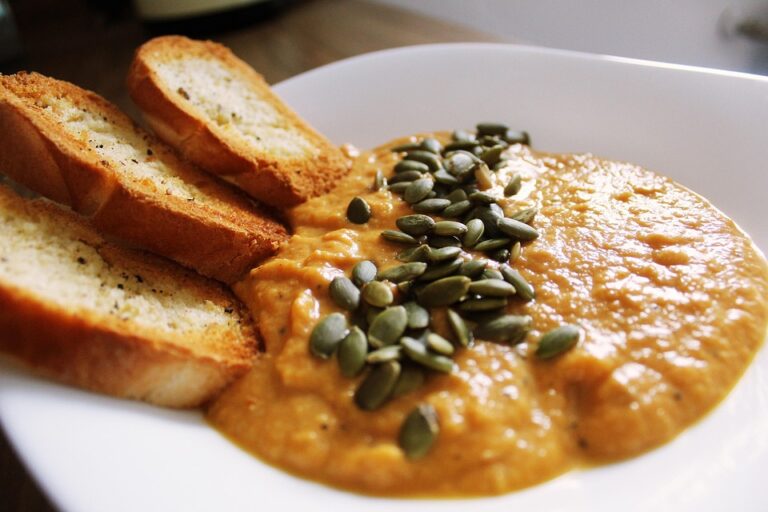
Seasonal culinary traditions often focus on high-sugar desserts, yet it is possible to integrate fall pumpkin spice healthy recipes into a balanced dietary pattern. Pumpkin, or Cucurbita pepo, serves as a nutrient-dense base that provides fiber and carotenoids without requiring excess refined sweeteners. By prioritizing whole-food ingredients, these preparations align with metabolic health objectives.
The integration of warming spices like cinnamon, ginger, and cloves into culinary applications offers more than just aromatic appeal. These phytochemicals possess distinct biochemical properties that may influence systemic inflammation. Shifting the focus toward nutrient-density allows individuals to enjoy seasonal flavors while maintaining physiological homeostasis throughout the autumn months.
Preparing these seasonal dishes requires a foundational understanding of how to swap refined ingredients for nutrient-rich alternatives. This guide provides an objective breakdown of how to construct recipes that prioritize metabolic support while honoring the traditional flavor profiles associated with autumn. Users can expect to find guidance on ingredient selection and the specific biochemical benefits of common pumpkin spice components.
The primary ingredient in these seasonal dishes, pumpkin, contains a robust profile of provitamin A carotenoids, most notably beta-carotene. Once ingested, the human body converts these compounds into retinol, which is essential for vision and immune system functionality. Consuming whole pumpkin rather than processed purée with additives ensures that the fiber matrix remains intact, promoting a more gradual glycemic response.
Fiber plays a fundamental role in the modulation of the gut microbiome. By providing a substrate for commensal bacteria to ferment, dietary fiber contributes to the production of short-chain fatty acids like butyrate. These metabolites are crucial for maintaining the integrity of the colonic mucosa. When internal digestive pathways function efficiently, individuals often report improved satiety and consistent energy levels throughout the day.
The specific structural integrity of the pumpkin matrix influences how efficiently the body extracts nutrients during the digestive process. Unlike highly processed grain-based snacks, pumpkin acts as a slow-release fuel source. This physical characteristic reduces the likelihood of postprandial glucose spikes, helping to mitigate the systemic stress associated with large, rapid insulin fluctuations.
Beyond macronutrients, the mineral content of pumpkin, including potassium, aids in the maintenance of cellular electrolyte balance. This is particularly important for individuals who engage in regular physical activity. Proper electrolyte status facilitates optimal muscle contractions and nerve signaling, effectively reducing the physical fatigue often experienced during seasonal transitions.
The quintessential components of pumpkin spice—cinnamon, ginger, nutmeg, and cloves—are not merely flavor enhancers. These botanicals are concentrated sources of various polyphenols. For example, cinnamaldehyde, the primary active compound in cinnamon, has been investigated for its potential to improve insulin sensitivity at the cellular level. This mechanism enables more efficient glucose utilization within skeletal muscle tissue.
Ginger, containing compounds known as gingerols, assists in the regulation of gastrointestinal motility. By supporting smoother digestion, ginger helps prevent the bloating and discomfort often associated with larger, holiday-style meals. This digestive ease allows for a more comfortable physiological state, preventing the sluggishness that can follow heavy consumption of refined carbohydrates.
Cloves contain high levels of eugenol, a compound recognized for its role in modulating pathways associated with oxidative stress. By neutralizing free radicals, these spices provide a protective buffer against cellular damage. This constant, low-level antioxidant support is a cornerstone of long-term health, helping the body manage the daily environmental and dietary stressors it encounters.
To ensure consistent intake of these beneficial compounds, many people look toward high-quality spice sourcing and foundational supplements. Utilizing a Thorne Vitamin D3 supplement can serve as a vital adjunct during the fall months when sunlight exposure decreases. Supplementing with Nordic Naturals Ultimate Omega also provides the necessary EPA and DHA required to support systemic anti-inflammatory pathways.
| Ingredient | Primary Benefit | Metabolic Impact |
|---|---|---|
| Pumpkin | Carotenoid supply | Steady glucose release |
| Cinnamon | Insulin sensitivity support | Improved nutrient partitioning |
Constructing a healthy meal starts with selecting high-quality fats and proteins to accompany the pumpkin base. Pure pumpkin is naturally low in total calories, but its density allows for significant culinary versatility. By pairing it with healthy fats such as organic almond butter or coconut milk, one facilitates the absorption of the fat-soluble vitamins found within the squash itself.
Avoiding added sugars is the most impactful modification one can make. Instead of white or brown sugar, consider using small amounts of monk fruit extract or simply leaning into the natural sweetness of roasted pumpkin. This simple substitution prevents the blood sugar rollercoaster that leads to afternoon crashes, keeping the physical state focused and energized.
Incorporating protein is essential for muscle maintenance and satiety. Adding NOW Foods Whey Protein Isolate into a pumpkin-based smoothie or breakfast bowl provides the essential amino acids required for daily repair. Protein intake increases the thermic effect of food, which is the amount of energy the body expends to digest and process nutrients, thereby optimizing energy turnover.
The National Institutes of Health highlights the necessity of balanced nutrient intake to maintain metabolic health. By anchoring your seasonal cooking around these core principles—fiber-rich vegetables, high-quality fats, and adequate protein—you ensure that your food serves as a physiological support system rather than a source of stress.
Choosing the right pumpkin product is critical. Canned pumpkin purée should list “pumpkin” as the only ingredient. Many conventional canned options include hidden sugars or thickening agents that deviate from the objective of a health-supportive recipe. Fresh, roasted pumpkin offers the highest level of control over the nutrient profile and flavor texture.
Spices should be fresh to ensure the potency of their volatile oils. Over time, ground spices lose their aromatic and biochemical efficacy. Purchasing whole spices and grinding them at home prior to use preserves the integrity of the compounds responsible for the health benefits discussed earlier. This small step significantly improves the quality of the final dish.
Hydration is a frequently overlooked aspect of metabolic health. While the focus here is on food, pumpkin dishes often act as a vehicle for fluids. Ensuring adequate intake of filtered water throughout the day remains a non-negotiable requirement for cellular function. According to findings from the Centers for Disease Control and Prevention, adequate hydration supports the body’s ability to transport nutrients and remove metabolic byproducts efficiently.
Finally, consider the cooking method. Steaming or roasting preserves more nutrient density compared to boiling, where water-soluble vitamins may leach into the cooking liquid. When roasting, avoid high heat that burns the squash, as this can lead to the formation of advanced glycation end-products. Gentle, consistent heat ensures the preservation of both flavor and nutrition.
Yes, provided the ingredient label shows only pumpkin. Canned purée is often highly convenient and retains the fiber and carotenoid content of fresh pumpkin, as long as no syrups or fillers are added.
Using whole food ingredients like roasted dates or small amounts of monk fruit can provide sweetness. Additionally, increasing the concentration of spices like cinnamon can trick the palate into perceiving more sweetness without the need for additional sweeteners.
Inclusion of whole-food pumpkin and spices within a balanced diet is generally safe for most individuals. As with all foods, variety is key to ensuring a diverse intake of vitamins and minerals. Monitor your digestive response to determine the frequency that works best for your specific metabolism.
Incorporating pumpkin and warming spices into your diet provides a nutrient-dense way to enjoy seasonal flavors while supporting metabolic health. By focusing on whole, unprocessed ingredients, you can maximize fiber and antioxidant intake while minimizing the impact of refined sugars. Prioritize fresh components and high-quality protein to maintain steady energy levels throughout the fall.
This information is for educational purposes only and does not constitute medical advice, diagnosis, or treatment. Always consult with a qualified health professional regarding any significant changes to your dietary regimen or when starting new supplements. Individual physiological responses to food vary based on activity level, genetics, and health status.
Start by sourcing one high-quality, single-ingredient pumpkin purée and experimenting with a simple, unsweetened spice blend this week. Observe how your energy levels stabilize when you prioritize these dense, natural ingredients over conventional seasonal alternatives.
Get Your FREE Ultimate Vitamin Guide!
Join the VitaminProGuide community to receive science-backed supplement reviews, nutritional insights, and absorption tips, delivered straight to your inbox.
Vitaminproguide.com is reader-supported. When you buy through links on our site, we may earn an affiliate commission at no extra cost to you. As an Amazon Associate, we earn from qualifying purchases. Read our full disclosure.