Physical Address
304 North Cardinal St.
Dorchester Center, MA 02124
Physical Address
304 North Cardinal St.
Dorchester Center, MA 02124
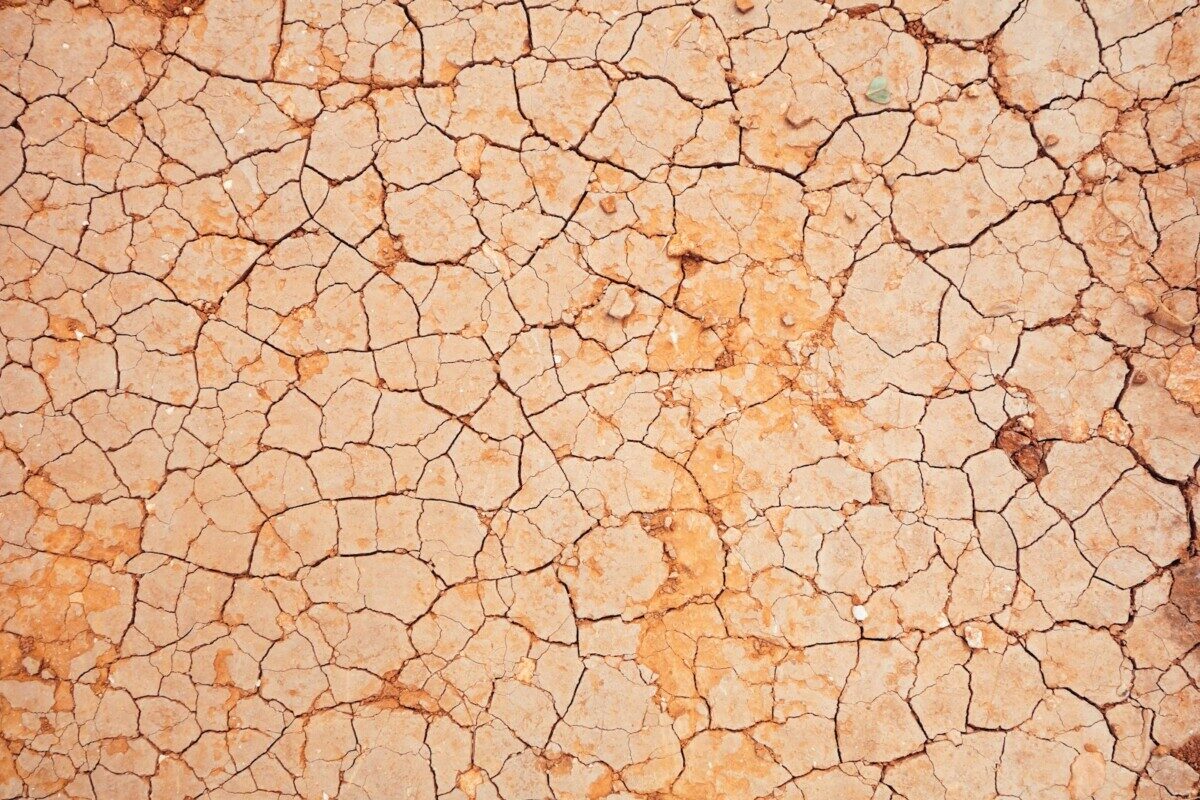
Maintaining adequate epidermal hydration requires more than just applying a standard moisturizer. A skin flooding routine for dry skin involves layering humectants on damp surfaces to maximize water retention within the stratum corneum. This methodical approach prioritizes the physical delivery of moisture to deeper cellular layers while simultaneously preventing evaporation.
Achieving optimal skin health hinges on understanding how external environmental factors impact internal cellular physiology. When the lipid barrier becomes compromised due to low humidity or harsh soaps, the rate of transepidermal water loss accelerates. Consistent hydration techniques help restore the structural integrity of the skin barrier.
You execute this protocol by applying water-based products to slightly dampened skin, followed by humectants and an occlusive layer. This process effectively traps atmospheric moisture against the dermis to alleviate feelings of tightness and irritation associated with chronic dryness. By staggering applications, the skin absorbs higher volumes of water before an occlusive layer seals the surface.
The stratum corneum consists of flattened cells known as corneocytes, embedded within a complex matrix of lipids. This arrangement serves as a biological shield against dehydration and microbial entry. When this barrier experiences structural gaps, moisture escapes rapidly, leading to the sensation of dryness or flaking.
Humectants like hyaluronic acid or glycerin act as molecular sponges. These compounds possess the chemical capacity to attract and hold multiple times their own weight in water. You benefit from this interaction as the skin surface remains soft and supple, reducing the physical friction that leads to micro-tears in the outer layer.
To start this process effectively, many individuals incorporate high-quality products like CeraVe Hydrating Hyaluronic Acid Serum. Applying such formulations to skin that is still wet from cleansing ensures that these molecules have sufficient water to bind before migrating into the epidermal spaces. This method eliminates the potential for the serum to pull moisture out of the deeper skin layers instead of the air.
Restoring the skin barrier is not just about water; it is about lipids. Ceramides, cholesterol, and fatty acids form the mortar between the corneocyte bricks. When this lipid composition is altered, even the best water-based serums cannot maintain hydration effectively. Adding a lipid-rich moisturizer helps fortify these gaps.
When you apply products such as La Roche-Posay Toleriane Double Repair Face Moisturizer, you introduce essential nutrients that mimic the skin’s natural architecture. This helps smooth the texture of the epidermis. Your skin feels reinforced against wind, cold air, and indoor heating, which typically strip away natural oils and leave the complexion feeling brittle.
Research published by the National Institutes of Health indicates that barrier function is directly linked to the presence of fatty acids and ceramide precursors. Maintaining this balance ensures that the moisture you “flood” into the skin stays there for an extended period. This provides long-term relief from the discomfort of chronic dryness.
Not all ingredients designed for hydration work through the same pathways. Some act as humectants, while others function primarily as emollients or occlusives. A successful routine utilizes all three categories to ensure a full-spectrum defense against dehydration.
Emollients soften the skin by filling in the gaps between cells. Products like Eucerin Original Healing Cream serve as effective examples of heavy-duty emollients. By smoothing the surface, you notice a significant decrease in rough patches and a more uniform appearance. This physical smoothing creates a sense of comfort that simple water-based products often fail to provide.
Occlusives provide the final seal. Petrolatum and dimethicone are classic examples of ingredients that create a semi-permeable film over the skin. This film physically blocks the path of water molecules attempting to evaporate into the air. By acting as an anchor, these ingredients guarantee that the hydration steps taken earlier remain locked in place throughout the day.
| Ingredient Category | Primary Physical Function | Best Usage Context |
|---|---|---|
| Humectants | Draws water into cells | Apply to damp skin for maximum absorption |
| Occlusives | Physical barrier to evaporation | Final step to seal in moisture |
Environmental conditions frequently dictate how your skin manages water. In winter, cold air holds less moisture, causing the skin to lose water vapor at an accelerated rate. Similarly, high-altitude environments can exacerbate this phenomenon by increasing evaporation speeds on the exposed surface of the face.
When you utilize a humidifier in your living space, you effectively increase the ambient water vapor pressure. This adjustment reduces the “osmotic pull” that drier air exerts on your epidermis. You feel the benefit as your skin maintains a balanced water content without the need for excessive reapplication of topical products throughout the day.
Proper hydration is also supported by adequate nutritional intake. Research highlighted by the National Center for Biotechnology Information suggests that consistent intake of essential fatty acids supports the lipid bilayer from the inside out. Supplements like Nordic Naturals Ultimate Omega provide the building blocks necessary for healthy cell membrane function, which compliments the topical routine.
Applying this technique during your morning and evening skincare sessions is usually sufficient. Over-cleansing or applying too many layers can sometimes overwhelm the skin, so sticking to two consistent sessions per day is standard.
While the goal is hydration, using heavy occlusives on acne-prone skin can sometimes lead to clogged pores. If you have oily or congestion-prone skin, opt for lightweight serums and water-based moisturizers instead of thick balms to achieve similar hydration benefits without the risk of comedogenicity.
Most municipal water is safe, but hard water containing high levels of calcium and magnesium can sometimes leave mineral deposits on the skin. These deposits can interfere with the function of your skincare products. Using a gentle toner after cleansing helps remove these residues before you begin the layering process.
A structured approach to skin hydration involves layering humectants on damp skin and sealing them with effective occlusives. This method helps maintain the integrity of the barrier, reducing the physical symptoms of dryness and providing lasting comfort. The strategy relies on fundamental principles of physics, such as reducing evaporation and maximizing water-binding potential.
The information provided in this guide is for educational purposes only and does not constitute medical advice, diagnosis, or clinical recommendations. If you experience persistent skin concerns, redness, or signs of inflammation, consult with a qualified dermatologist. Skin responses are individual, and what works for one person may require adjustment for another based on specific physiological needs.
To begin, assess your current product stack to see which items serve as humectants and which function as sealants. Start by ensuring your skin remains slightly damp before applying your primary hydrating serum tonight.
Get Your FREE Ultimate Vitamin Guide!
Join the VitaminProGuide community to receive science-backed supplement reviews, nutritional insights, and absorption tips, delivered straight to your inbox.
Vitaminproguide.com is reader-supported. When you buy through links on our site, we may earn an affiliate commission at no extra cost to you. As an Amazon Associate, we earn from qualifying purchases. Read our full disclosure.