Physical Address
304 North Cardinal St.
Dorchester Center, MA 02124
Physical Address
304 North Cardinal St.
Dorchester Center, MA 02124
Choosing between caffeinated botanical infusions requires a look at how different delivery vehicles influence alertness. The comparison of Yerba mate vs matcha tea for focus involves distinct xanthine profiles and unique polyphenol structures. Each beverage offers a specific set of physical sensations based on its individual chemical constituents.
Yerba mate, derived from the leaves of the Ilex paraguariensis plant, has long been a staple of South American cultural traditions. Matcha, a finely ground powder of shade-grown Camellia sinensis leaves, represents a cornerstone of Japanese tea culture. Both serve as non-synthetic agents for people looking to shift their mental state toward heightened awareness during demanding tasks.
To answer the search intent directly: Yerba mate generally provides a more rapid, robust surge of stimulation due to its specific xanthine concentration, while matcha delivers a balanced, sustained alertness through the synergy of l-theanine and caffeine. Your choice depends on whether you require an immediate, sharp onset of wakefulness or a steady, calm, and prolonged state of concentration.
The primary driver of alertness in both beverages is caffeine, a methylxanthine alkaloid that blocks adenosine receptors in the central nervous system. When adenosine is inhibited, the typical signal for fatigue and drowsiness is intercepted before it reaches the brain. This creates a state of temporary wakefulness by allowing neurotransmitters like dopamine and norepinephrine to circulate more freely.
Yerba mate possesses a unique xanthine alkaloid profile that includes not just caffeine, but also smaller amounts of theobromine and theophylline. This combination creates a distinct physiological sensation often described as a cleaner, more robust stimulation. The chemistry of the leaf allows for a rapid absorption curve that shifts the user into a state of high-alertness quite quickly.
Matcha, conversely, provides caffeine encased within a matrix of cellular fibers and secondary metabolites. Because the entire leaf is consumed as a powder, the delivery of these compounds happens more gradually than in a filtered liquid infusion. The sustained release results in a flatter, more controlled incline of cognitive focus that avoids the sudden peaks associated with other stimulants.
A critical factor in the Yerba mate vs matcha tea for focus discussion is the presence of l-theanine in matcha. This unique amino acid, found predominantly in green tea, crosses the blood-brain barrier and influences alpha wave activity in the brain. Research published by the National Institutes of Health suggests that l-theanine promotes a state of relaxed alertness rather than an anxious, over-stimulated state.
When you consume matcha, the l-theanine functions to modulate the excitatory nature of the caffeine. It softens the physical impact on the cardiovascular system while keeping the mind sharp and intent on the task at hand. This is particularly useful for individuals who find that typical coffee or high-caffeine beverages lead to unwanted physical agitation or tension.
Yerba mate does not contain significant amounts of l-theanine. Instead, it relies on its native saponins and chlorogenic acids to provide a different kind of focus. The focus provided by mate is more visceral and driven by a faster-acting stimulatory profile. Many users find this useful for physically demanding work or early morning starts where high-intensity wakefulness is prioritized over calm concentration.
Both beverages provide substantial antioxidant support, though the specific types differ. Yerba mate is rich in chlorogenic acid, the same potent polyphenol found in high-quality green coffee beans. These compounds are associated with cardiovascular protection and can assist in modulating the oxidative stress that naturally occurs during intense cognitive labor.
Matcha is famous for its concentration of epigallocatechin gallate, or EGCG. This specific catechin is a highly studied compound that supports cellular integrity throughout the body. Because you consume the whole leaf when drinking matcha, the delivery of these antioxidants is arguably more efficient than when using a simple tea bag that relies on water-soluble extraction.
When comparing these for focus, consider that a system functioning under lower oxidative stress often maintains better cognitive performance over a full day. Reducing systemic inflammation can prevent the common mid-afternoon crash. Utilizing Matcha Love Culinary Matcha or similar high-grade powders allows for a consistent delivery of these protective nutrients alongside your daily caffeine intake.
| Feature | Yerba Mate | Matcha Tea |
|---|---|---|
| Primary Xanthine | Caffeine + Theobromine | Caffeine |
| Secondary Modulator | Saponins | L-Theanine |
| Absorption Speed | Moderate to Fast | Slow and Sustained |
| Typical Sensory Profile | Robust and Earthy | Vegetal and Creamy |
Integrating these beverages into a daily routine depends on the rhythm of your schedule. If you find yourself needing a quick jump-start before a presentation or a intense period of work, a traditional preparation of mate can provide the necessary intensity. Many find that Guayaki Organic Yerba Mate serves as a reliable baseline for this type of requirement. It mimics the speed of action found in other high-intensity stimulants but maintains a more natural alkaloid balance.
For those who have a longer, more contemplative workday, matcha is often the superior choice. The consistent supply of alertness prevents the highs and lows that can derail deep work sessions. You can further enhance this by pairing your drink with high-quality nutrients that support brain function, such as Thorne Omega 3 Fish Oil. Maintaining structural brain health through fatty acids ensures that your focus is sustainable regardless of the stimulant you choose.
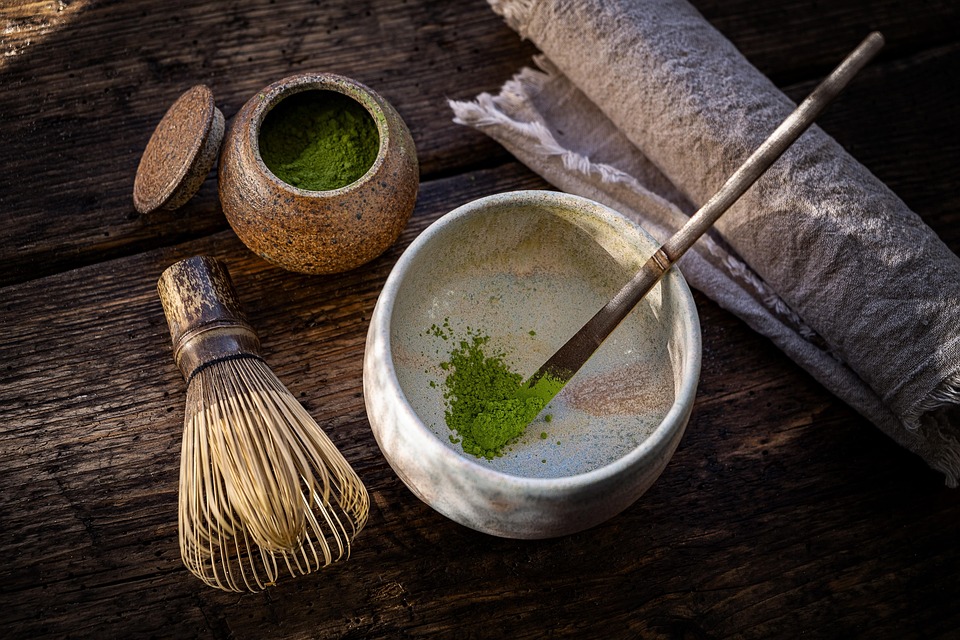
Consider the method of consumption as well. Yerba mate is traditionally prepared in a hollow gourd with a metal straw, which encourages a deliberate and prolonged ritual. This in itself can be a tool for focus. Matcha, prepared by whisking, requires a similar level of mindfulness. The act of preparing the drink can prime your mind for the task before you even take the first sip. This is supported by data from USDA research regarding the importance of food source integrity in dietary health.
Yes, temperature affects the extraction rate of compounds. Boiling water can extract more tannins in tea, which may result in bitterness, while cooler water for matcha helps maintain the delicate balance of l-theanine. For Yerba mate, using water just below the boiling point is standard to preserve the integrity of the polyphenols.
While possible, it is generally unnecessary as they provide distinct types of stimulation. Combining them may lead to a higher total caffeine load than intended. It is usually more effective to choose one based on whether you need a quick boost or a long-lasting, smooth concentration.
Both beverages are generally safe for the majority of healthy adults when consumed in moderation. Excessive intake can lead to common caffeine-related issues such as sleep disruption or increased heart rate. Always monitor your individual tolerance and ensure you are not relying on these stimulants to compensate for a chronic lack of restorative sleep.
Choosing between Yerba mate and matcha comes down to identifying the specific type of energy your work demands. Yerba mate offers a robust, rapid-acting stimulation suitable for high-intensity, short-duration tasks. Matcha provides a steady, calm, and sustained cognitive focus thanks to the presence of l-theanine, making it ideal for deep work and long-term mental clarity.
This information is for educational purposes only and does not constitute medical advice or clinical guidance. Always consult with a qualified health professional before making significant changes to your supplement or dietary regimen, especially if you have existing cardiovascular conditions or sensitivity to caffeine. If you are pregnant, nursing, or taking medications, seek professional clearance first.
To get started, try swapping your current caffeine source for one of these options for several days to observe how your energy levels stabilize throughout the afternoon. If you decide to add supplemental support, such as Life Extension Magnesium Glycinate to balance your nighttime recovery, integrate it slowly to ensure your system adapts well to the change.
Get Your FREE Ultimate Vitamin Guide!
Join the VitaminProGuide community to receive science-backed supplement reviews, nutritional insights, and absorption tips, delivered straight to your inbox.
Vitaminproguide.com is reader-supported. When you buy through links on our site, we may earn an affiliate commission at no extra cost to you. As an Amazon Associate, we earn from qualifying purchases. Read our full disclosure.