Physical Address
304 North Cardinal St.
Dorchester Center, MA 02124
Physical Address
304 North Cardinal St.
Dorchester Center, MA 02124
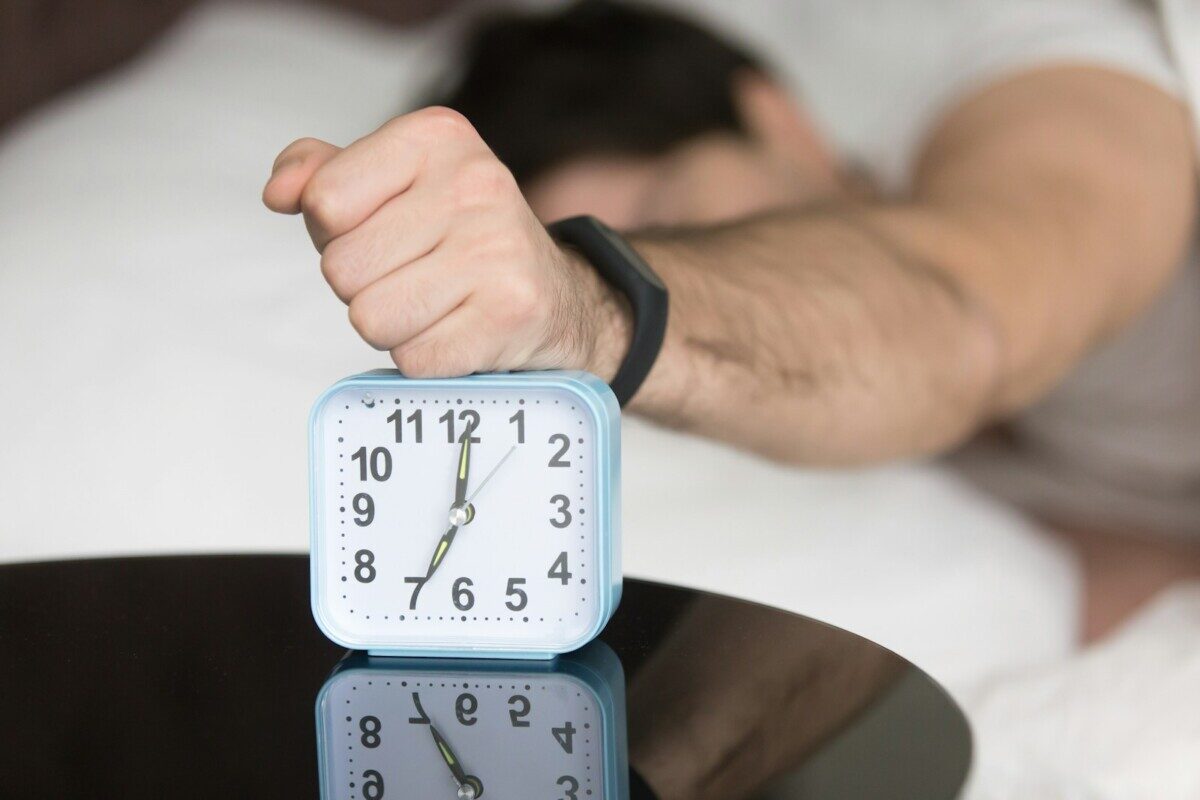
Establishing a predictable evening routine often centers on the 10-3-2-1 sleep rule to regulate internal circadian rhythms. This structured approach provides clear time-based boundaries for caffeine consumption, food intake, and the use of digital screens. By organizing nighttime habits around these intervals, individuals can encourage more efficient transitions into nocturnal recovery phases.
Biologically, the body relies on specific hormonal shifts to prepare for slumber. The reduction of light exposure and the stabilization of metabolic processes serve as primary drivers for the synthesis of endogenous hormones like melatonin. Managing the timeline of daily inputs allows for a more seamless alignment between biological needs and modern environmental demands.
This framework acts as a practical manual for optimizing the transition to rest by limiting stimulants and light exposure at specific intervals before bedtime. It provides a non-invasive way to support the body’s natural drive for sleep without requiring complex interventions or advanced equipment. Most people find that adopting these fixed time windows helps stabilize their nighttime physiological environment.
The first component of the protocol involves ceasing caffeine intake at least 10 hours before planned bedtime. Caffeine acts as an adenosine receptor antagonist, which prevents the build-up of the “sleep pressure” required to initiate the process of falling asleep. When adenosine binds to its receptors, it gradually increases the sensation of fatigue throughout the day.
Consuming stimulants too close to the evening shifts the body into a state of heightened sympathetic nervous system activity. This state makes it difficult for the brain to move into the slow-wave sleep phases necessary for deep recovery. By cutting off caffeine consumption well in advance, you allow your natural biochemical pathways to clear the molecule from your system.
The National Institutes of Health highlights the essential role of adenosine in the homeostatic regulation of sleep. Managing your intake helps ensure that your natural fatigue signals remain intact when the lights go out. Many people find that switching to a non-stimulant option like Pique Organic Black Tea or pure water in the afternoon prevents the common cycle of late-day wakefulness.
The 3-hour rule focuses on avoiding heavy meals before retiring to bed. Digestion is a resource-intensive process that requires active blood flow to the gastrointestinal tract and moderate increases in core body temperature. For the body to achieve the necessary temperature drop associated with deep sleep, it must conclude active metabolic tasks like large-scale food processing.
When you eat a substantial meal shortly before laying down, the body remains in a state of high metabolic activity. This process can lead to acid reflux or general discomfort that interrupts the transition into quietude. Keeping this buffer period allows the internal organs to shift toward a lower-energy state, which is crucial for restorative physiological processes.
High-quality Thorne Magnesium Glycinate is often discussed in clinical contexts as a supportive supplement for relaxation when paired with a light, earlier dinner. Ensuring your final meal is nutrient-dense but moderate in portion size allows your body to focus energy on repair rather than digestion. This shift in energy allocation facilitates a more consistent and undisturbed rest cycle.
| Dietary Factor | Impact on Sleep Latency |
|---|---|
| High glycemic load at dinner | Increases core body temperature and alertness |
| Balanced protein and fiber | Promotes stable glucose levels and sustained recovery |
The 2-hour window is dedicated to finishing work and mentally demanding tasks. Modern work environments often involve high-stress inputs that keep the mind in a state of hyper-arousal. By stopping work-related activities well before rest, you create a necessary buffer for the nervous system to transition from an “on-duty” state to a state of stillness.
Stress hormones like cortisol have a natural diurnal rhythm where they are highest in the morning and lowest at night. Engaging in work that triggers problem-solving responses can inappropriately spike cortisol levels during the evening. This creates a physiological conflict, as the brain remains primed for active thinking rather than the restorative disengagement required for sound sleep.
Implementing this boundary often involves establishing a physical separation between your workspace and your relaxation space. Utilizing tools such as Blue Light Blocking Glasses can also help reduce the cognitive disruption caused by screen-based blue light, which directly suppresses melatonin production. The goal is to signal to the nervous system that the primary cognitive labor of the day has concluded.
The final hour of the sequence is defined by the total cessation of screen time. Digital screens emit wavelengths of light that mimic the blue-heavy spectrum of daylight. According to research found via the Centers for Disease Control and Prevention, light exposure in the late evening can cause significant phase delays in your circadian clock.
By removing screens, you allow your retinas to signal the suprachiasmatic nucleus that the environment is transitioning to nighttime. This is the physiological trigger for the production of melatonin. When the brain senses a lack of blue-spectrum light, it effectively begins to “close the shutters” on the daytime operating system, priming the physical body for repair and consolidation.
Many people find that replacing screen time with light reading, gentle stretching, or using White Noise Sound Machine setups improves their subjective experience of morning wakefulness. The lack of artificial stimulation allows for a deeper level of relaxation before the eyes even close. Consistency in this final hour is the anchor that holds the entire 10-3-2-1 structure in place.
No, the protocol is entirely behavioral. While some individuals choose to use magnesium or other micronutrients to support relaxation, the efficacy of the method relies on timing your habits rather than consuming specific compounds.
Yes, hydration is essential. The guideline refers specifically to caloric intake and stimulants. You should continue to hydrate appropriately throughout the day, though you may consider tapering fluid volume in the final hour to prevent nocturnal interruptions.
Circadian flexibility varies by individual. If your schedule is non-traditional, focus on creating a consistent relative timing for your own “10-3-2-1” intervals. The core benefit comes from the predictability of the routine rather than the exact clock time.
The 10-3-2-1 sleep rule is a functional framework designed to align your daily behaviors with your internal circadian clock. By managing the timing of stimulants, caloric intake, cognitive stress, and light exposure, you provide your body with the environmental cues necessary for successful rest. Consistency remains the most important factor in seeing long-term results from this approach.
This information is for educational purposes and does not constitute medical advice, diagnosis, or health recommendations. If you experience persistent issues with rest or sleep architecture, consult with a qualified professional to evaluate potential underlying health factors. The information here is not intended to replace the guidance of a physician.
To get started, track your current evening routine for three days to identify where your habits currently fall. Select one aspect of the rule to adjust for the upcoming week and observe how your energy levels change in response to these small, structured modifications.
Get Your FREE Ultimate Vitamin Guide!
Join the VitaminProGuide community to receive science-backed supplement reviews, nutritional insights, and absorption tips, delivered straight to your inbox.
Vitaminproguide.com is reader-supported. When you buy through links on our site, we may earn an affiliate commission at no extra cost to you. As an Amazon Associate, we earn from qualifying purchases. Read our full disclosure.