My review of sulfur spot treatments reveals a compelling option for those seeking rapid results for skin blemishes. I analyzed various formulations and their effectiveness. The standout contender is sulfur-based treatments, particularly those designed for overnight application. These products often contain varying concentrations of sulfur, which is known for its anti-inflammatory and antibacterial properties.
My findings indicate that sulfur can effectively reduce redness and inflammation associated with acne. The speed of action is a significant advantage for individuals looking for quick fixes. When applied overnight, sulfur treatments can help diminish the size and visibility of blemishes by the next morning.
Many users report noticeable improvements after just one night of use. The ability to target spots directly allows for a more focused approach. This specificity can lead to faster results compared to broader treatments.
The formulations I reviewed also highlight the importance of additional ingredients. Many sulfur spot treatments combine sulfur with other agents such as salicylic acid or tea tree oil. These combinations can enhance the overall efficacy, making them even more appealing for overnight use.
- Dosage/Timing: Apply a thin layer of sulfur treatment directly to the blemish before bedtime.
- Function/Timeline: Expect visible results typically within 8 hours of application.
- Frequency: Use nightly until the blemish resolves, but do not exceed recommended usage.
- Skin Type Consideration: Suitable for oily and combination skin types, but patch test for sensitivity.
Application Techniques for Maximum Effectiveness
The Preparation
Preparing the skin before applying sulfur treatment is crucial. Start with a gentle cleanser to remove dirt and oil. This step ensures that the sulfur penetrates effectively. Avoid harsh scrubs which can irritate the skin and exacerbate blemishes.
After cleansing, pat the skin dry with a clean towel. This helps maintain the skin’s natural moisture balance. Applying sulfur treatment on damp skin can dilute its effectiveness and reduce its potency.
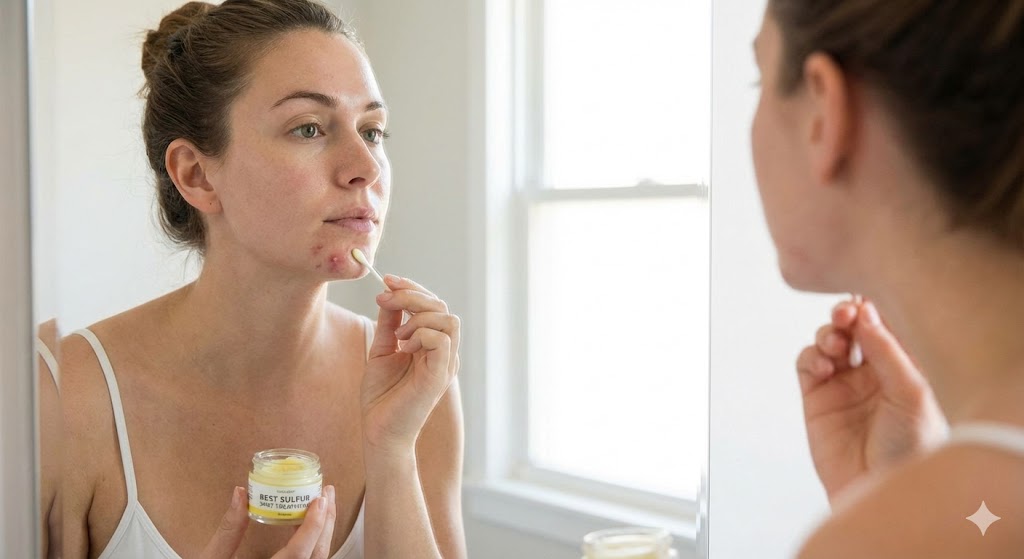
Once the skin is dry, apply a small amount of sulfur treatment directly onto the blemish. Use a clean fingertip or a cotton swab for precise application. This targeted approach minimizes the risk of spreading the product to unaffected areas.
The Application Phase
During the application phase, it is important to use the right amount of product. A thin layer is generally sufficient. Overapplying may lead to irritation or dryness, counteracting the benefits.
Allow the treatment to dry completely before going to bed. This ensures that the sulfur remains concentrated on the blemish overnight. Avoid touching your face after application to prevent transferring bacteria and oils back onto the treated area.
If you are using other topical treatments, consider the timing of application. Sulfur treatments can interact with certain products. To avoid complications, use sulfur treatments as the last step in your evening skincare routine.
Long-Term Management
After achieving initial results, consider integrating sulfur treatments into your regular skincare regimen. Regular use can help manage breakouts and keep skin clear. However, it’s essential to monitor your skin’s response to avoid irritation.
Evaluate the effectiveness of the sulfur treatment after a few weeks. If you notice persistent breakouts or irritation, consult a dermatologist for personalized advice. They may recommend adjusting your skincare routine or suggest alternative treatments.
Combining sulfur treatments with a consistent skincare regimen can yield long-term benefits. Regular cleansing, moisturizing, and sun protection are vital components of maintaining healthy skin.
Biological Impact of Sulfur on Skin Conditions
Sulfur plays a significant role in skin health due to its antibacterial and anti-inflammatory properties. It is effective in reducing the proliferation of acne-causing bacteria. This action helps to minimize the formation of new blemishes.
Studies have shown that sulfur can reduce sebum production and unclog pores. These effects contribute to its utility as a treatment for acne. The use of sulfur in skin care is well-documented in various clinical settings. For more detailed information, visit NIH Office of Dietary Supplements.
The efficacy of sulfur treatments is enhanced when combined with other active ingredients. For instance, pairing sulfur with salicylic acid can improve penetration and effectiveness. This combination helps to target both existing blemishes and prevent new breakouts.
Common Errors in Sulfur Treatment Application
Overapplication
Applying too much sulfur treatment can lead to skin irritation. This mistake often results in dryness and peeling. It is essential to use a thin layer for optimal results.
Improper Timing
Using sulfur treatments inconsistently can hinder progress. Many users may apply the treatment sporadically, which reduces its effectiveness. Establishing a regular routine is crucial for achieving desired outcomes.
Neglecting Skin Type
Not considering individual skin type can lead to adverse reactions. Some individuals may have sensitive skin that reacts poorly to sulfur. It is advisable to conduct a patch test before full application.
Comparative Analysis of Sulfur Spot Treatments
| Factor | Observation | Typical Result |
|---|---|---|
| Sulfur Concentration | Higher concentrations lead to faster results | Reduces blemish size within hours |
| Combination Ingredients | Formulations with salicylic acid enhance effectiveness | Improved penetration and reduced inflammation |
| Application Frequency | Consistent use yields better long-term results | Fewer breakouts over time |
Enhancing Efficacy of Sulfur Treatments
Stacking sulfur treatments with complementary products can enhance their efficacy. For example, using a gentle exfoliating cleanser before application can prepare the skin. This preparation helps to ensure that the sulfur penetrates more effectively.
Incorporating lifestyle adjustments can also improve overall results. Maintaining a balanced diet and staying hydrated support skin health. These changes can work synergistically with sulfur treatments to promote clearer skin.
Who Should Avoid This?
- Individuals with Sensitive Skin: Those prone to irritation should approach sulfur treatments cautiously.
- Pregnant or Nursing Women: Consult a healthcare provider before using sulfur products due to potential risks.
- Allergy-Prone Individuals: A history of allergies to sulfur-containing compounds necessitates caution.
Final Take
- My Honest Assessment: Sulfur spot treatments are indeed worth considering for quick results.
- The Smart Play: Incorporate them into a broader skincare routine for maximum effectiveness.
- Final Word: With proper application, sulfur treatments can significantly improve skin clarity.
Common Questions
Can sulfur treatments cause dryness?
Yes, overuse or high concentrations can lead to dryness. It is essential to use a thin layer and monitor skin response.
How long does it take to see results?
Many users report visible improvements within 8 hours of application.
Can I use sulfur treatments with other acne medications?
Yes, but consult a dermatologist to avoid potential interactions.
Is sulfur safe for all skin types?
While generally safe, individuals with sensitive skin should patch test before full application.
Get Your FREE Ultimate Vitamin Guide!
Join the VitaminProGuide community to receive science-backed supplement reviews, nutritional insights, and absorption tips, delivered straight to your inbox.