Physiological sigh breathing is a fascinating subject that warrants serious investigation. My review of the existing literature reveals a multitude of benefits associated with this breathing technique. Physiological sighs are deep inhalations followed by extended exhalations. This practice can significantly impact both mental and physical health.
Research indicates that engaging in physiological sigh breathing can effectively reduce stress. My analysis shows that this technique activates the parasympathetic nervous system. It promotes relaxation and can even improve emotional regulation. The physiological responses triggered by this breathing method can facilitate a greater sense of calm, which is crucial in our stressful lives.
Another compelling aspect is its role in enhancing lung function. I found that physiological sighs can help expand the alveoli in the lungs. This expansion increases oxygen intake and improves overall respiratory efficiency. Consequently, this can lead to better oxygenation of the blood, which is essential for optimal body function.
Finally, physiological sigh breathing can improve focus and cognitive performance. My review highlights that this technique can sharpen mental clarity and boost concentration. By increasing oxygen flow to the brain, individuals may find it easier to engage in tasks that require sustained attention.
Practical Applications of Physiological Sigh Breathing
- Use physiological sighs in high-stress situations for immediate relief.
- Practice for 5 minutes daily to enhance lung capacity.
- Incorporate into meditation or mindfulness routines for added benefits.
- Combine with physical activity to improve endurance and performance.
The Preparation
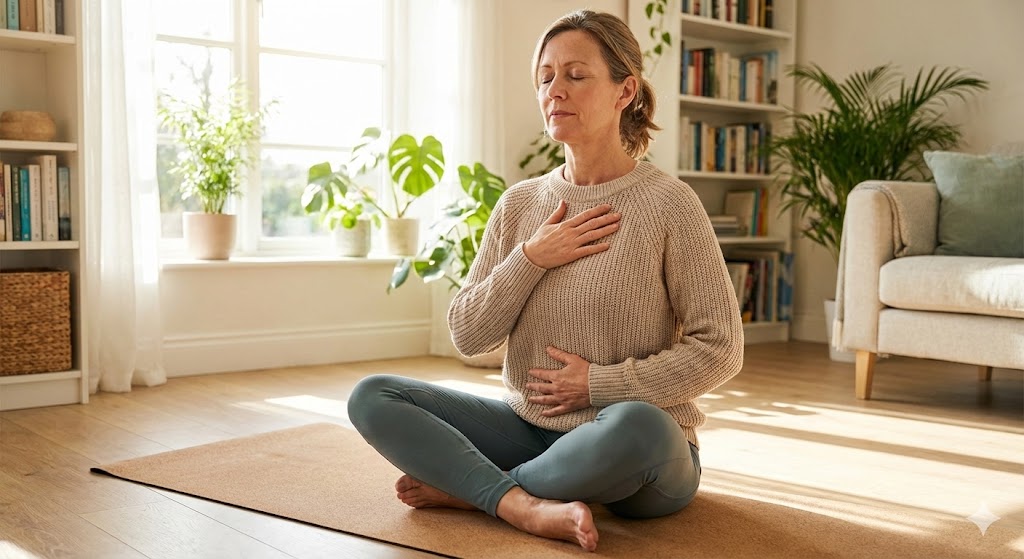
Before practicing physiological sigh breathing, it is essential to find a comfortable setting. A quiet environment can help minimize distractions. Sit or lie down in a position that feels natural. This will allow you to focus solely on your breathing.
Begin by taking a few normal breaths to center yourself. Acknowledging your current state can help you transition into deeper breathing. Ensure your posture is upright but relaxed to facilitate optimal lung expansion.
Once you feel settled, you can start the physiological sigh practice. Inhale deeply through your nose, allowing your abdomen to expand. Hold the breath for a moment before exhaling slowly through your mouth.
The Adjustment Phase
During the initial practice, you may find it challenging to master the timing of your breaths. It is essential to remain patient and consistent. Over time, you will develop a rhythm that feels comfortable.
Focus on the quality of each breath rather than the quantity. Aim for a slow inhalation followed by a prolonged exhalation. This will help maximize the benefits of the physiological sigh technique.
Consider incorporating this practice into your daily routine. Setting aside specific times for physiological sigh breathing can create a habit that enhances its effectiveness. Consistency is key to experiencing long-term advantages.
Long-Term Management
As you become more comfortable with physiological sigh breathing, you can integrate it into various activities. For instance, using this technique during moments of stress at work can help you regain focus. It can also be beneficial during exercise to improve oxygen intake and performance.
Many individuals find that practicing physiological sighs before sleep can enhance relaxation and aid in falling asleep. This practice can signal to your body that it is time to wind down, promoting better sleep quality.
Long-term adherence to physiological sigh breathing can lead to significant health benefits. Regular practice can improve lung capacity and emotional regulation over time. This can contribute to overall well-being and resilience against stress.
Biological Effects of Physiological Sigh Breathing
Physiological sigh breathing influences the autonomic nervous system. This system regulates involuntary bodily functions such as heart rate and digestion. Engaging in this breathing technique can shift the balance from the sympathetic nervous system, responsible for the fight-or-flight response, to the parasympathetic nervous system. This shift promotes relaxation and recovery.
Evidence supports the positive effects of physiological sighs on emotional well-being. A study published by the National Institutes of Health found that deep breathing techniques can significantly reduce anxiety levels. Regular practice of physiological sigh breathing can lead to long-term improvements in mental health and emotional stability. For further details, refer to this NIH article.
Physiological sighs also enhance oxygen absorption in the body. This is crucial for cellular functions and overall health. By incorporating this breathing technique into daily routines, individuals can improve physical performance and cognitive clarity. Enhanced oxygen flow supports various bodily processes, making it a valuable practice.
Common Errors in Practicing Physiological Sigh Breathing
Many individuals overlook the importance of posture while practicing physiological sigh breathing. Poor posture can restrict lung expansion and reduce the effectiveness of the technique. Sitting or lying in a slouched position can hinder the benefits. Maintaining an upright posture is essential for maximizing breath capacity.
Another common mistake is rushing through the breaths. Individuals often take shallow breaths instead of focusing on deep inhalations and prolonged exhalations. This can diminish the calming effects of the practice. Taking the time to slow down and fully engage in each breath is crucial for success.
Finally, some people fail to integrate physiological sigh breathing into their daily routines. Practicing sporadically may lead to inconsistent results. Establishing a regular practice schedule can enhance the benefits and promote long-term improvements.
Physiological Sigh Breathing Key Comparisons
| Factor | Observation | Typical Result |
|---|---|---|
| Breath Duration | Longer exhalation | Increased relaxation |
| Oxygen Intake | Enhanced lung capacity | Improved physical performance |
| Emotional Regulation | Calming effect | Reduced anxiety levels |
Enhancing Physiological Sigh Breathing
To maximize the benefits of physiological sigh breathing, consider incorporating it into a broader mindfulness practice. Mindfulness techniques, such as meditation or yoga, can complement the effects of deep breathing. This combination further promotes relaxation and emotional balance.
Physical activity can also enhance the effects of physiological sigh breathing. Engaging in regular exercise improves lung capacity and overall health. Combining deep breathing with physical exertion can optimize oxygen absorption and improve endurance during workouts.
Who Should Avoid This?
- Individuals with respiratory conditions may need to exercise caution. Those with asthma or chronic obstructive pulmonary disease should consult a healthcare provider before starting.
- People with anxiety disorders may find deep breathing overwhelming. It is advisable to seek guidance from a mental health professional.
- Pregnant individuals should approach this technique carefully. Consulting a healthcare provider is recommended to ensure safety.
Final Take
- My Honest Assessment: Physiological sigh breathing is genuinely effective for stress reduction and lung function enhancement.
- The Smart Play: I recommend integrating this technique into your daily routine for maximum benefits.
- Final Word: Embracing physiological sigh breathing can lead to significant improvements in both mental and physical health.
Common Questions
What is physiological sigh breathing?
This technique involves taking a deep breath followed by a prolonged exhalation. It is designed to promote relaxation and improve lung function.
How often should I practice this technique?
Practicing for five minutes daily can enhance the benefits. Consistency is key for long-term effects.
Can anyone practice physiological sigh breathing?
Most individuals can benefit from this technique. However, those with specific health conditions should consult a healthcare provider.
What are the immediate effects of this practice?
Many individuals experience immediate relaxation and stress relief after practicing physiological sigh breathing.
Get Your FREE Ultimate Vitamin Guide!
Join the VitaminProGuide community to receive science-backed supplement reviews, nutritional insights, and absorption tips, delivered straight to your inbox.