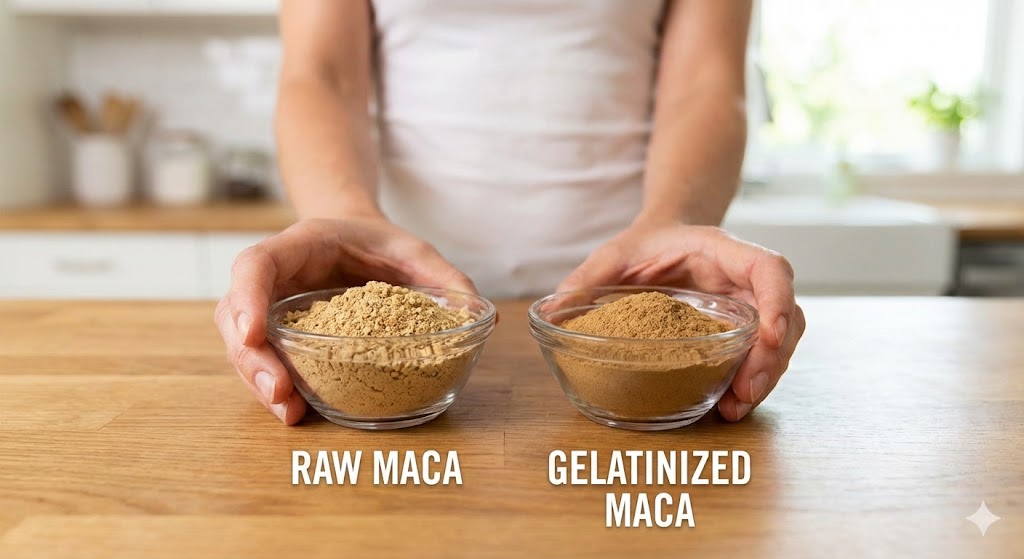
I have spent considerable time researching the differences between maca root gelatinized and raw forms. My review focuses on how each variant affects digestion and overall health. The gelatinized version is processed to remove starch, which may enhance digestibility. In contrast, raw maca retains its natural composition and may offer different benefits. Many consumers wonder which form is better for digestion. This guide aims to clarify these aspects based on scientific evidence and practical usage.
Maca root has gained popularity for its potential health benefits, including enhanced energy and improved hormonal balance. The distinctions between gelatinized and raw maca can significantly impact these benefits. My findings suggest that the gelatinization process may make it easier for the body to absorb nutrients, which is essential for individuals seeking to maximize the effects of this superfood. On the other hand, raw maca offers a broader range of nutrients, which could be advantageous for some users.
Understanding the digestion process of these two forms is crucial for anyone considering incorporating maca into their diet. Specific factors such as individual digestive health and dietary preferences play a role in determining which form is more suitable. The aim is to provide a comprehensive examination of both options, enabling informed decisions based on personal health goals.
As I sift through the research, it becomes evident that both forms have unique attributes. Some may prefer the gelatinized version for its ease of use and quick absorption. Others might opt for raw maca to benefit from its full nutritional profile. This guide will serve as a resource for consumers looking to navigate the complexities of maca root supplementation.
Usage and Application of Maca Root Variants
- Gelatinized maca is easier to digest due to the removal of starch.
- Raw maca retains more nutrients, including vitamins and minerals.
- Dosage for gelatinized maca typically ranges from 1.5 to 3 grams daily.
- Raw maca can be taken in doses of 3 to 5 grams for optimal benefits.
The Preparation Phase
Choosing between raw and gelatinized maca requires an understanding of personal health goals. Individuals seeking immediate energy boosts may find gelatinized maca more effective. The starch removal process enhances digestibility and nutrient absorption, making it appealing for those with sensitive stomachs.
Raw maca, while packed with nutrients, requires more digestive effort. It is ideal for individuals looking to improve overall wellness rather than seeking immediate effects. The unprocessed state retains more vitamins, minerals, and phytonutrients, which can support long-term health.
Preparation also involves considering how each form integrates into daily routines. Gelatinized maca can be easily added to smoothies, baked goods, or energy bars. Raw maca may serve as a versatile ingredient in salads, oatmeal, or yogurt. Understanding how each form aligns with dietary habits is crucial.
The Adjustment Phase
Transitioning to either form of maca root can require an adjustment period. Users of gelatinized maca often report quicker results, such as increased energy levels. This form is beneficial for those who may not have the time or patience for gradual changes.
On the other hand, raw maca may take longer to show effects. Users may need to consume it consistently over weeks to notice improvements in energy or hormonal balance. This gradual approach allows the body to adapt to the nutrients effectively.
Listening to the body during this phase is essential. Some may experience digestive discomfort with raw maca initially, while others might find gelatinized maca more agreeable. Adjusting dosage based on individual reactions can lead to a more pleasant experience.
Long-Term Management
Incorporating either form of maca into a long-term health regimen can yield significant benefits. Gelatinized maca is often recommended for those who want sustained energy and vitality. Its digestibility supports consistent nutrient intake, making it a reliable choice for daily supplementation.
Raw maca serves as an excellent option for individuals focused on comprehensive nutritional support. Its rich nutrient profile can contribute to improved hormonal balance and overall wellness. Long-term users may find that raw maca enhances their vitality and resilience to stress.
Regular monitoring of health outcomes is important. Users should assess how each form of maca affects their energy levels, mood, and overall health. Adjustments can be made based on these evaluations to ensure the chosen form aligns with personal health goals.
Biological Impact of Maca Root Variants
The digestion of maca root involves various biological processes. The gelatinized form is processed to make nutrients more bioavailable. This process breaks down complex carbohydrates, allowing the body to absorb essential vitamins and minerals more effectively.
Research indicates that gelatinized maca may positively affect hormonal balance and energy levels. A study published by the National Institutes of Health highlights how maca can influence hormonal health in both men and women. The research suggests that gelatinized maca may offer enhanced benefits due to its ease of absorption and higher concentration of bioactive compounds. For more details, visit NIH Office of Dietary Supplements.
Raw maca, while rich in nutrients, may not provide the same level of immediate bioavailability. However, its comprehensive nutrient profile offers a broader range of health benefits. Users may find that raw maca supports long-term wellness, particularly when consumed as part of a balanced diet.
Common Mistakes with Maca Root Usage
Consumers often make several mistakes when incorporating maca root into their diets. One common error is assuming that more is better. Overconsumption can lead to digestive distress and negate the benefits. Sticking to recommended dosages is crucial.
Another mistake is neglecting to consider individual digestive health. Those with sensitive stomachs may struggle with raw maca, leading to discomfort. Opting for gelatinized maca can alleviate these issues while still providing benefits.
Finally, many users fail to integrate maca into a balanced diet. Relying solely on maca without considering other nutritional needs can limit its effectiveness. Combining maca with a variety of whole foods can enhance its health benefits and support overall well-being.
Maca Root Key Comparisons
| Factor | Observation | Typical Result |
|---|---|---|
| Digestibility | Gelatinized maca is easier to digest | Faster nutrient absorption |
| Nutritional Profile | Raw maca retains more vitamins and minerals | Broader health benefits |
| Energy Boost | Gelatinized maca provides quicker energy | Immediate vitality |
Maximizing Results with Maca
Stacking maca with other supplements can enhance its effects. For individuals looking for energy boosts, combining gelatinized maca with adaptogens like ashwagandha may provide synergistic benefits. This combination can improve energy levels while also supporting stress management.
Dietary adjustments can also play a role in maximizing the benefits of maca. Consuming maca with healthy fats, such as avocado or nuts, may enhance nutrient absorption. This practice can lead to improved bioavailability of the vitamins and minerals found in maca, resulting in better overall health outcomes.
Who Should Avoid This?
- Individuals with thyroid issues: Maca may affect hormone levels, which can exacerbate thyroid conditions.
- Pregnant or breastfeeding women: Limited research exists on the safety of maca during pregnancy or lactation.
- People with allergies to cruciferous vegetables: Maca is related to this family and may trigger allergic reactions.
- Individuals on hormone therapy: Maca may interact with hormone medications, potentially leading to complications.
Final Take
- My Honest Assessment: Both gelatinized and raw maca have their merits, but gelatinized maca is more user-friendly for digestion.
- The Smart Play: Start with gelatinized maca for immediate benefits, and consider raw maca for long-term health support.
- Final Word: Understanding your own body and health goals will guide you in choosing the right form of maca root.
Common Questions
What is the primary difference between gelatinized and raw maca?
Gelatinized maca has undergone processing to remove starch, making it easier to digest. Raw maca retains its full nutrient profile but may require more digestive effort.
Can I take both forms of maca together?
Yes, combining both forms can provide a wider range of benefits. Starting with gelatinized maca can support immediate energy, while raw maca can offer long-term nutrient support.
How should I incorporate maca into my diet?
Maca can be added to smoothies, oatmeal, or baked goods. The gelatinized form is more versatile for quick recipes, while raw maca can be mixed into salads or yogurt.
Is there a risk of side effects when taking maca?
Some individuals may experience digestive discomfort or allergic reactions. It is advisable to start with small doses and monitor how your body reacts before increasing intake.
Get Your FREE Ultimate Vitamin Guide!
Join the VitaminProGuide community to receive science-backed supplement reviews, nutritional insights, and absorption tips, delivered straight to your inbox.