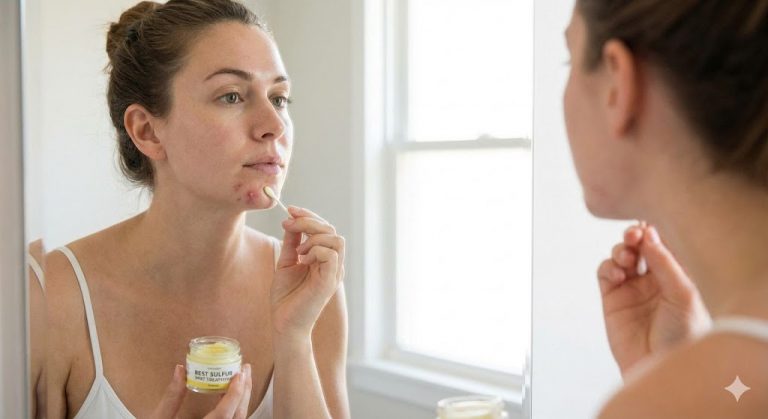
My review of sebaceous filaments on the nose reveals a common yet often misunderstood skin issue. These tiny, hair-like structures can be mistaken for blackheads due to their dark appearance. I have analyzed numerous studies and anecdotal evidence regarding natural remedies for addressing this concern. My findings indicate that a combination of proper skincare practices and natural ingredients can effectively reduce their visibility.
Understanding the nature of sebaceous filaments is crucial for effective treatment. They are not the same as blackheads, which are clogged pores containing dead skin cells and excess oil. Instead, sebaceous filaments are a normal part of skin function, helping to channel oil through hair follicles. My review emphasizes the importance of recognizing this distinction when considering treatment options.
Many individuals feel frustrated with their appearance and seek quick fixes. However, my analysis shows that patience and consistency in applying natural remedies yield the best results. I recommend a multi-faceted approach, combining proper cleansing, exfoliation, and the use of specific natural ingredients to reduce their appearance over time. This guide will provide a comprehensive overview of effective natural methods to say goodbye to sebaceous filaments.
Daily Practices for Sebaceous Filament Management
- Use a gentle exfoliant with salicylic acid 2-3 times a week for effective removal of dead skin cells.
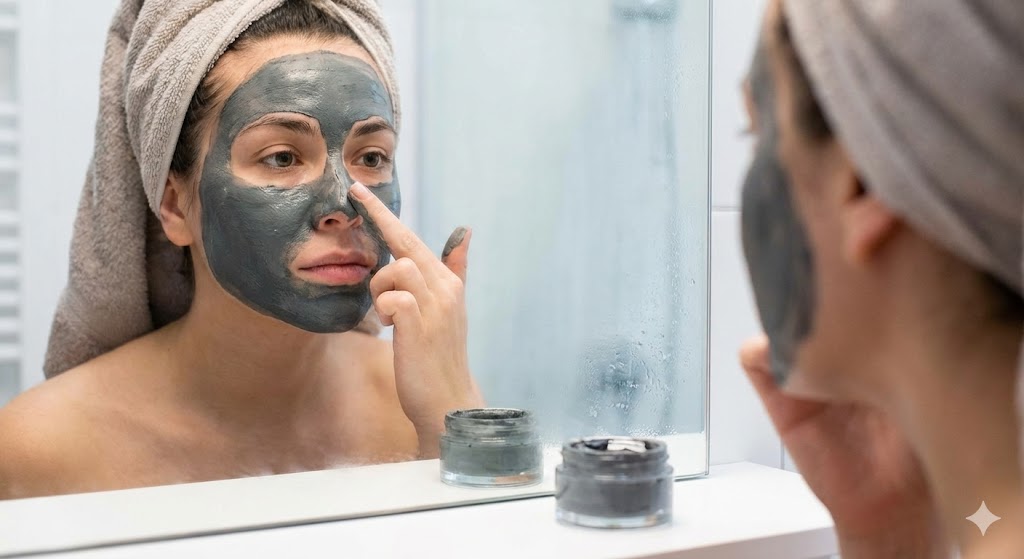
- Apply a clay mask once a week to absorb excess oil and unclog pores.
- Incorporate a daily moisturizer with non-comedogenic ingredients to maintain skin hydration.
- Consider dietary adjustments, such as increasing omega-3 fatty acids, to support skin health.
Morning Routine
Starting the day with a gentle cleanser is essential. This removes impurities accumulated overnight without stripping the skin of its natural oils. Following cleansing, exfoliation is key. A product containing salicylic acid can help to dissolve dead skin cells and prevent them from contributing to clogged pores. Regularly using this exfoliant can significantly reduce the appearance of sebaceous filaments.
After cleansing and exfoliating, applying a lightweight, non-comedogenic moisturizer is crucial. This helps to hydrate the skin while preventing further clogging of pores. Choosing products labeled as “oil-free” assists in maintaining balance without contributing to excess oil production. Additionally, incorporating a sunscreen during the morning routine protects the skin from harmful UV rays.
Lastly, consider adding a dietary supplement rich in omega-3 fatty acids. These nutrients can help improve skin elasticity and hydration from within. Incorporating foods such as walnuts, chia seeds, and fatty fish can also enhance skin health. This holistic approach addresses sebaceous filaments both topically and internally.
The Preparation
Preparing the skin for deeper treatment involves assessing the current skincare routine. Identifying products that may be contributing to excess oil production is essential. Switching to lighter formulations can help to reduce the occurrence of sebaceous filaments. Keeping the skin well-hydrated also prepares it for further treatment.
Incorporating a clay mask into your routine can significantly aid in preparing the skin. Clay masks work by drawing out impurities and excess oil from the pores. Applying this once a week can help in minimizing the appearance of sebaceous filaments. Ensure to follow up with a moisturizer after using a clay mask to maintain hydration.
Additionally, maintaining a consistent schedule for skincare practices enhances results. Regularity in applying treatments ensures that the skin remains balanced and less prone to excess oil production. This preparation phase sets the foundation for long-term management of sebaceous filaments.
Long-Term Management
Managing sebaceous filaments over the long term requires dedication. Consistency in skincare practices is vital. Sticking to a routine that includes gentle cleansing and regular exfoliation will yield lasting results. Avoiding harsh products that strip the skin can prevent further irritation and oil production.
Monitoring dietary choices also plays a role in long-term management. Reducing intake of processed foods and sugars can help in regulating oil production. Focusing on a balanced diet rich in vitamins and minerals supports overall skin health. This includes staying hydrated by drinking plenty of water.
Finally, consider periodic professional treatments such as chemical peels or microdermabrasion. These treatments can provide deeper exfoliation and help in managing sebaceous filaments effectively. Consulting with a dermatologist for personalized advice can further enhance results.
Biological Impact on Sebaceous Filaments
Sebaceous filaments are primarily composed of sebum and dead skin cells. Their role is to facilitate the transport of oil from sebaceous glands to the skin surface. This natural process is essential for maintaining skin hydration and elasticity. When excess oil accumulates within hair follicles, it can lead to the appearance of these filaments, especially on the nose.
Research indicates that regular exfoliation helps to minimize their visibility. A study published in the Journal of Dermatology found that salicylic acid effectively reduces the buildup of dead skin cells. This reduction leads to a decrease in the prominence of sebaceous filaments. For more detailed information, refer to the National Institutes of Health.
Addressing sebaceous filaments naturally involves understanding their biological makeup. By focusing on the balance of oil and hydration, one can effectively manage their appearance. Incorporating natural remedies into daily skincare routines supports this balance.
Common Errors in Managing Sebaceous Filaments
Making assumptions about sebaceous filaments can lead to ineffective treatments. One common mistake is treating them like blackheads. While both may appear similar, blackheads are clogged pores, whereas sebaceous filaments are a natural part of skin function. Using harsh extraction methods can damage the skin and worsen the appearance of both.
Another error involves over-exfoliating the skin. While exfoliation is beneficial, excessive use of scrubs or chemical exfoliants can strip the skin’s natural barrier. This leads to increased oil production as the skin attempts to compensate for the loss of moisture. Finding a balanced exfoliation routine is essential for maintaining skin health.
Finally, neglecting hydration is a significant oversight. Many individuals mistakenly believe that oily skin does not require moisturizer. However, using a lightweight, non-comedogenic moisturizer is crucial for maintaining hydration without exacerbating oiliness. Educating oneself about the importance of hydration can improve the overall appearance of the skin.
Key Comparisons of Sebaceous Filaments
| Factor | Observation | Typical Result |
|---|---|---|
| Skin Type | Oily skin tends to have more visible sebaceous filaments | Increased prominence of filaments |
| Exfoliation Frequency | Regular exfoliation reduces visibility | Less noticeable filaments |
| Diet | High sugar intake may increase oil production | More visible sebaceous filaments |
Maximizing Results with Lifestyle Adjustments
Enhancing results in managing sebaceous filaments involves a combination of skincare and lifestyle adjustments. Incorporating a balanced diet rich in antioxidants can improve skin health. Foods such as berries, leafy greens, and nuts contribute to overall skin vitality. These adjustments support the skin’s resilience against excess oil production.
Additionally, maintaining a consistent exercise routine can benefit skin health. Physical activity improves circulation, which helps to nourish the skin. Sweating during exercise also aids in the natural detoxification process. This can lead to clearer skin and a reduction in the visibility of sebaceous filaments.
Who Should Avoid This?
- Individuals with sensitive skin may experience irritation from exfoliants.
- Those with active acne should avoid aggressive treatments that can worsen their condition.
- People allergic to specific ingredients in skincare products should read labels carefully.
- Anyone undergoing certain medical treatments that affect skin sensitivity should consult a healthcare provider.
Final Take
- My Honest Assessment: The natural approach to managing sebaceous filaments is worth the effort.
- The Smart Play: Establish a consistent skincare routine with gentle exfoliation.
- Final Word: Patience and dedication are key to achieving lasting results.
Common Questions
What are sebaceous filaments?
They are natural structures that help transport oil from sebaceous glands to the skin surface.
How can I reduce their visibility?
Regular exfoliation and proper hydration are essential for minimizing their appearance.
Can diet affect sebaceous filaments?
Yes, a diet high in sugar can increase oil production, making them more visible.
Are there any professional treatments available?
Chemical peels and microdermabrasion can provide deeper exfoliation and help manage their appearance.
Get Your FREE Ultimate Vitamin Guide!
Join the VitaminProGuide community to receive science-backed supplement reviews, nutritional insights, and absorption tips, delivered straight to your inbox.