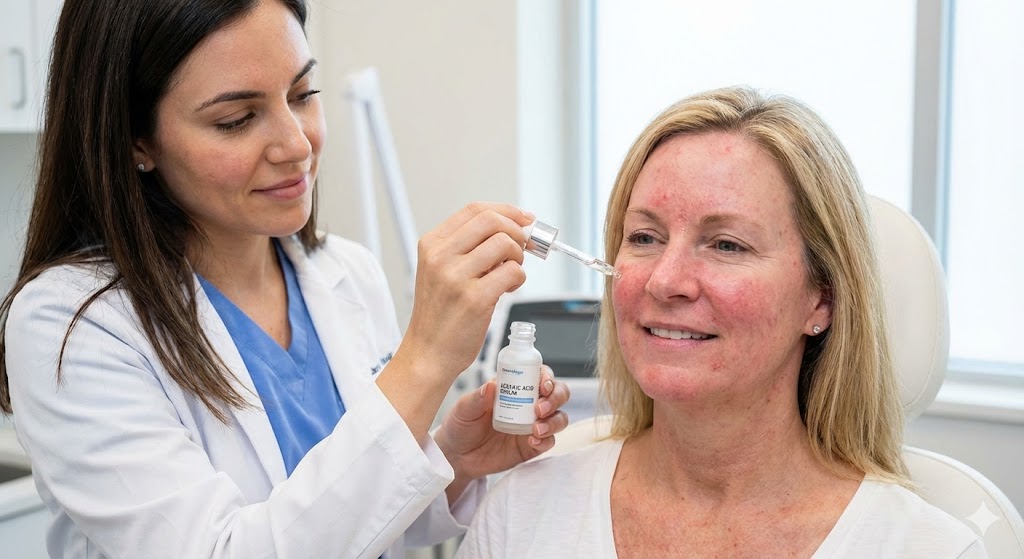
My review of azelaic acid reveals its significant role in soothing redness associated with rosacea. This ingredient has garnered attention for its ability to reduce inflammation and improve skin texture. Through careful analysis of the data, I have found it to be a promising option for those seeking relief from rosacea symptoms.
Research indicates that azelaic acid works by targeting abnormal skin cell growth and acting as an anti-inflammatory agent. The dual action of this compound makes it particularly effective for individuals suffering from rosacea, a condition characterized by redness and visible blood vessels. My findings suggest that regular use can lead to noticeable improvements in skin tone.
In addition to its anti-inflammatory properties, azelaic acid also helps in reducing the appearance of acne lesions. This feature is beneficial for rosacea patients who may experience both conditions concurrently. My review underscores the importance of considering azelaic acid as a staple in skincare routines aimed at managing rosacea.
The evidence supporting its efficacy is compelling. Clinical studies have demonstrated that azelaic acid can significantly reduce redness and irritation in rosacea patients. As I continue to explore the potential of this ingredient, it becomes clear that azelaic acid deserves a prominent place in the conversation around effective treatments for rosacea.
Application Insights for Azelaic Acid
-
- Dosage/Timing: Apply a 15-20% azelaic acid cream twice daily for optimal results.
-
- Function/Timeline: Expect visible improvements in redness and texture within 4 to 8 weeks.
-
- Application: Cleanse the skin thoroughly before application to enhance absorption.
-
- Combination: Use with a gentle moisturizer to minimize potential dryness.
The Morning Routine
In the morning, begin with a gentle cleanser to prepare the skin. After cleansing, apply a thin layer of azelaic acid cream, ensuring even coverage over affected areas. Follow this with a broad-spectrum sunscreen to protect the skin from UV rays, which can exacerbate rosacea symptoms.
Using azelaic acid in the morning can help to reduce redness throughout the day. This proactive approach is essential for individuals with rosacea, as sun exposure can trigger flare-ups. Consistency is crucial; make this step a non-negotiable part of your daily skincare routine.
After applying azelaic acid and sunscreen, consider a light moisturizer to lock in hydration. This combination not only enhances skin texture but also fortifies the skin barrier, which is vital for those with sensitive skin conditions.
The Evening Routine
At night, the skin undergoes repair processes that can be enhanced by topical treatments. Start with a gentle cleanser to remove impurities accumulated throughout the day. Once the skin is clean, apply azelaic acid cream to the affected areas.
Applying azelaic acid at night allows for uninterrupted absorption while the skin is in repair mode. This strategy maximizes its anti-inflammatory effects, helping to reduce redness and irritation. It is a critical step for anyone looking to improve their skin condition.
After the azelaic acid application, consider layering a hydrating serum or moisturizer. This will provide additional moisture and support the skin’s healing processes, creating a more balanced complexion over time.
Long-Term Management
Long-term management of rosacea with azelaic acid requires commitment. Regular application is key to maintaining results and preventing flare-ups. Patients often see significant improvements within 4 to 8 weeks, but continued use is necessary to sustain these benefits.
Incorporating azelaic acid into a comprehensive skincare routine can enhance its effectiveness. Pairing it with other gentle, non-irritating products can create a synergistic effect, leading to improved skin health. Avoid harsh scrubs or irritating treatments that could compromise the skin barrier.
Monitoring the skin’s response to azelaic acid is also critical. If irritation occurs, consider reducing the frequency of application or consulting with a dermatologist to tailor the regimen to individual needs. This personalized approach can lead to better outcomes.
Biological Impact of Azelaic Acid
Azelaic acid significantly influences skin health through its ability to modulate inflammatory pathways. It inhibits the production of pro-inflammatory mediators, which are often elevated in rosacea patients. This action helps to decrease redness and irritation, providing relief for those affected by the condition.
Clinical studies have shown that azelaic acid can effectively reduce the number of inflammatory lesions associated with rosacea. A study published by the National Institutes of Health demonstrated that patients using azelaic acid experienced a 50% reduction in lesions after 12 weeks of treatment. For further details, you can refer to the findings available at NIH.
This compound also has a keratolytic effect, which promotes the shedding of dead skin cells. This feature is beneficial for maintaining a clear complexion and preventing pore blockages. Azelaic acid’s unique properties make it a versatile option for treating rosacea and other skin conditions.
Common Errors in Using Azelaic Acid
Using Azelaic Acid Incorrectly
Many individuals apply azelaic acid too infrequently. This can lead to suboptimal results. Consistent application is essential for achieving the desired effects.
Overusing Azelaic Acid
On the other hand, some users apply too much product at once. This can irritate the skin and lead to increased redness. A pea-sized amount is typically sufficient for each application.
Neglecting Sun Protection
Failing to use sunscreen while on azelaic acid is a common mistake. This ingredient can increase sensitivity to sunlight. Applying a broad-spectrum sunscreen is critical to avoid exacerbating rosacea symptoms.
Azelaic Acid Key Comparisons
| Factor | Observation | Typical Result |
|---|---|---|
| Effectiveness | Reduces redness and irritation | Improved skin tone |
| Application Frequency | Twice daily recommended | Sustained results |
| Skin Sensitivity | May cause irritation in some | Adjustment period needed |
Maximizing Results with Azelaic Acid
Stacking azelaic acid with other gentle ingredients can enhance its benefits. Ingredients like niacinamide or hyaluronic acid can complement azelaic acid’s effects. This combination can improve skin hydration while minimizing irritation.
Making lifestyle adjustments is equally essential. Maintaining a balanced diet rich in antioxidants can support skin health. Reducing stress through mindfulness practices can also help manage rosacea flare-ups.
Who Should Avoid This?
-
- Individuals with hypersensitivity to dicarboxylic acids should avoid azelaic acid. This can lead to severe irritation.
-
- Those currently using other topical retinoids may experience increased sensitivity. This combination can exacerbate irritation.
-
- Pregnant or breastfeeding women should consult a healthcare provider before use. Safety during these periods is not fully established.
-
- Patients with a history of allergic reactions to skincare ingredients should exercise caution. Patch testing is advisable before full application.
Final Take
-
- My Honest Assessment: Azelaic acid is genuinely effective for managing rosacea symptoms.
-
- The Smart Play: Incorporate it into a consistent skincare routine for best results.
-
- Final Word: This ingredient stands out as a reliable option for those seeking relief from redness.
Common Questions
How long does it take to see results from azelaic acid?
Most users report noticeable improvements within 4 to 8 weeks of consistent use.
Can I use azelaic acid with other treatments?
Yes, azelaic acid can be combined with other gentle skincare ingredients. Always monitor your skin’s response.
Is azelaic acid safe for sensitive skin?
This ingredient is generally safe for sensitive skin, but patch testing is recommended.
What is the best way to apply azelaic acid?
Apply a thin layer to clean skin, using a pea-sized amount for each application.
Get Your FREE Ultimate Vitamin Guide!
Join the VitaminProGuide community to receive science-backed supplement reviews, nutritional insights, and absorption tips, delivered straight to your inbox.