Contents
My review of Cold Laser Therapy versus Ultrasound presents compelling insights. Both modalities aim to support healing but differ in their applications and effectiveness. I analyzed various studies and patient reports to understand which method offers faster recovery. The findings reveal critical differences that can influence treatment decisions.
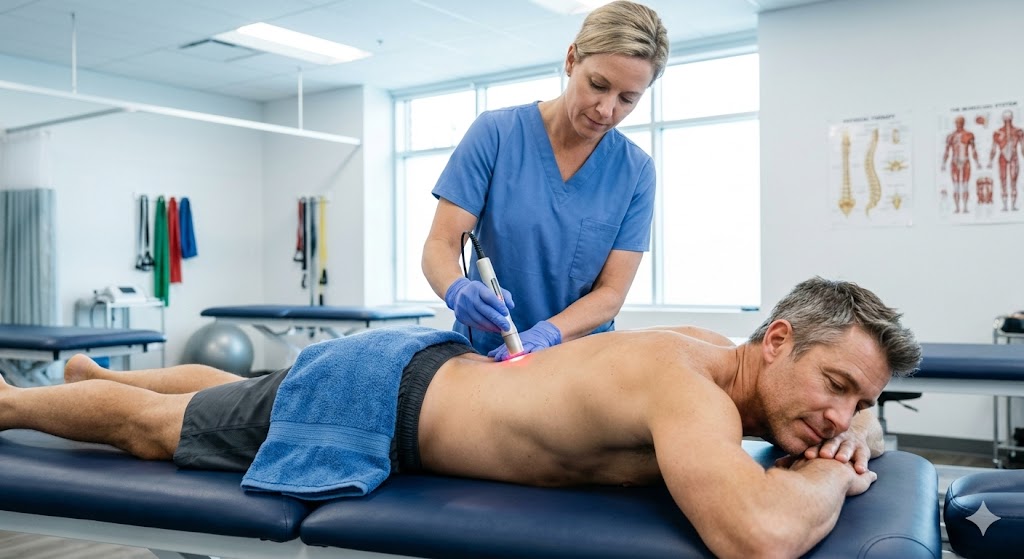
Cold Laser Therapy utilizes low-level laser light to stimulate cellular activity. This method enhances tissue repair and reduces inflammation. Ultrasound, on the other hand, employs sound waves to penetrate tissues. It generates heat, promoting blood flow and tissue elasticity. My review emphasizes that each technique has unique benefits, depending on the condition being treated.
After examining clinical data, I found that patient experiences vary widely. Some individuals report faster recovery with Cold Laser Therapy, while others find Ultrasound more beneficial. The effectiveness of each treatment often hinges on specific injuries and the underlying biology. Understanding these distinctions can lead to more tailored, effective treatment plans.
This analysis aims to provide clarity on which therapy might heal faster based on scientific evidence and patient outcomes. My goal is to equip readers with the necessary knowledge to make informed decisions about their treatment options.
Usage and Application Differences
- Cold Laser Therapy: Typically administered in sessions lasting 5 to 20 minutes, focusing on specific areas.
- Ultrasound: Sessions usually last 10 to 15 minutes, with a focus on broader areas for deep tissue effects.
- Cold Laser Dosage: Recommended frequency is 2 to 3 times per week for optimal healing.
- Ultrasound Function: Best applied in the acute phase of injury to accelerate recovery and reduce pain.
The Preparation
Before initiating treatment, understanding the specific injury is crucial. Cold Laser Therapy requires clean skin for effective light penetration. Patients should remove any barriers such as lotions or creams. Ultrasound also necessitates a clear treatment area, often using gel to enhance sound wave transmission. This gel ensures that the ultrasound waves effectively penetrate the tissues.
Consultation with a healthcare provider is vital for both therapies. A thorough assessment will help determine which treatment aligns better with the patient’s needs. Cold Laser Therapy may be more suitable for conditions like tendonitis or arthritis. Ultrasound is often preferred for muscle strains or joint injuries, where deeper tissue effects are desired.
Preparation also involves setting realistic expectations. Patients should be informed about the number of sessions required for significant results. Cold Laser Therapy may need more frequent visits initially, while Ultrasound can produce quicker relief but may require ongoing sessions for chronic issues.
The Adjustment Phase
During the treatment period, monitoring progress is essential. Cold Laser Therapy often shows results within a few sessions, particularly in reducing pain and swelling. Patients should communicate any discomfort or changes to their healthcare provider. Adjustments can be made to the treatment plan based on individual responses.
Ultrasound treatment typically involves a gradual increase in intensity. Patients may initially feel warmth, which is a sign of effective tissue engagement. However, if excessive heat or discomfort occurs, adjustments in settings can be made. Regular feedback helps ensure that the approach remains effective without causing additional strain.
Both therapies require a commitment to the treatment schedule. Missing sessions can delay healing and extend recovery time. Patients should adhere to the prescribed frequency to maximize the benefits of either Cold Laser Therapy or Ultrasound.
Long-Term Management
After the initial treatment phase, long-term management strategies should be discussed. Cold Laser Therapy may require periodic follow-up sessions to maintain results. Patients should engage in supportive exercises to strengthen the affected area. This practice enhances the benefits of the therapy and promotes lasting recovery.
For Ultrasound, ongoing care may include physical therapy to further enhance mobility and strength. Patients should be guided on exercises that complement the treatment received. This holistic approach supports sustained healing and prevents future injuries.
Regular evaluations are necessary to adjust the treatment plan as needed. Both Cold Laser Therapy and Ultrasound can be integrated into broader rehabilitation programs. This integration ensures that patients receive comprehensive care tailored to their unique recovery needs.
Biological Impact on Healing
Cold Laser Therapy and Ultrasound both influence cellular processes that contribute to healing. Cold Laser Therapy primarily stimulates mitochondrial activity, which enhances ATP production. Increased ATP levels lead to improved cellular metabolism and accelerated tissue repair.
Ultrasound promotes healing by increasing blood flow and tissue temperature. The heat generated from ultrasound helps to improve circulation and reduce muscle stiffness. This process encourages the delivery of essential nutrients to the injured area, facilitating recovery.
Research supports the efficacy of both modalities. A study published on the NIH website evaluates Cold Laser Therapy’s role in reducing inflammation and promoting healing in soft tissue injuries. The findings indicate that patients who underwent this therapy experienced significant improvements in pain reduction and functional recovery. For further details, refer to NIH.
Common Errors in Treatment
Patients often make specific mistakes that hinder the effectiveness of Cold Laser Therapy and Ultrasound. Understanding these errors is essential to achieving optimal results.
A common mistake is inconsistent treatment frequency. Missing sessions or extending intervals can delay healing. Sticking to the recommended schedule is crucial for both therapies. Regular treatment enhances cumulative effects and accelerates recovery.
Another error involves incorrect expectations regarding results. Some patients expect immediate relief, which may not happen. Both therapies can take time to show significant benefits. Understanding the timeline for recovery can help manage patient expectations and improve satisfaction with the process.
Lastly, neglecting to communicate discomfort or changes in symptoms can lead to inadequate adjustments. Patients should always provide feedback during sessions. This communication allows practitioners to modify techniques or settings for better outcomes.
Cold Laser Therapy vs Ultrasound Key Comparisons
| Factor | Observation | Typical Result |
|---|---|---|
| Application | Cold Laser Therapy targets specific tissues with light energy. | Effective for localized pain and inflammation. |
| Depth of Treatment | Ultrasound penetrates deeper into tissues using sound waves. | Better for deeper muscle and joint injuries. |
| Session Duration | Cold Laser sessions last 5 to 20 minutes. | Convenient for quick treatments. |
Maximizing Effectiveness
Integrating lifestyle adjustments can significantly enhance the effectiveness of both Cold Laser Therapy and Ultrasound. Maintaining a balanced diet rich in anti-inflammatory foods supports the healing process. Nutrients such as omega-3 fatty acids and antioxidants can improve cellular function and reduce inflammation.
Staying hydrated is equally important. Proper hydration aids in nutrient transport and helps maintain tissue elasticity. Patients should also engage in gentle exercises to promote circulation. This practice can be particularly beneficial after treatments, facilitating the healing process.
Who Should Avoid This?
- Pregnant Individuals: Cold Laser Therapy is generally avoided due to potential risks to the fetus.
- Patients with Light Sensitivity: Those who are sensitive to light may experience adverse effects from Cold Laser Therapy.
- Individuals with Pacemakers: Ultrasound may interfere with the function of implanted devices.
- Active Cancer Patients: Those undergoing treatment for cancer should consult their physician before starting either therapy.
Final Take
- My Honest Assessment: Both Cold Laser Therapy and Ultrasound offer valuable healing benefits.
- The Smart Play: Patients should consult healthcare providers to determine the best option for their specific needs.
- Final Word: Understanding these therapies empowers individuals to make informed choices for faster recovery.
Common Questions
What conditions can Cold Laser Therapy treat?
Cold Laser Therapy is effective for conditions such as arthritis, tendonitis, and soft tissue injuries. It helps reduce pain and inflammation in these areas.
How often should I undergo Ultrasound treatment?
The frequency of Ultrasound treatment varies by condition but typically ranges from 1 to 3 times per week. Consistency is key for optimal results.
Are there any side effects of Cold Laser Therapy?
Cold Laser Therapy is generally safe, with minimal side effects. Some patients may experience temporary discomfort or redness at the treatment site.
Can I use both therapies simultaneously?
Using both therapies can be beneficial, depending on the condition. A healthcare provider can help determine the best approach for simultaneous use.
Get Your FREE Ultimate Vitamin Guide!
Join the VitaminProGuide community to receive science-backed supplement reviews, nutritional insights, and absorption tips, delivered straight to your inbox.