Physical Address
304 North Cardinal St.
Dorchester Center, MA 02124
Physical Address
304 North Cardinal St.
Dorchester Center, MA 02124
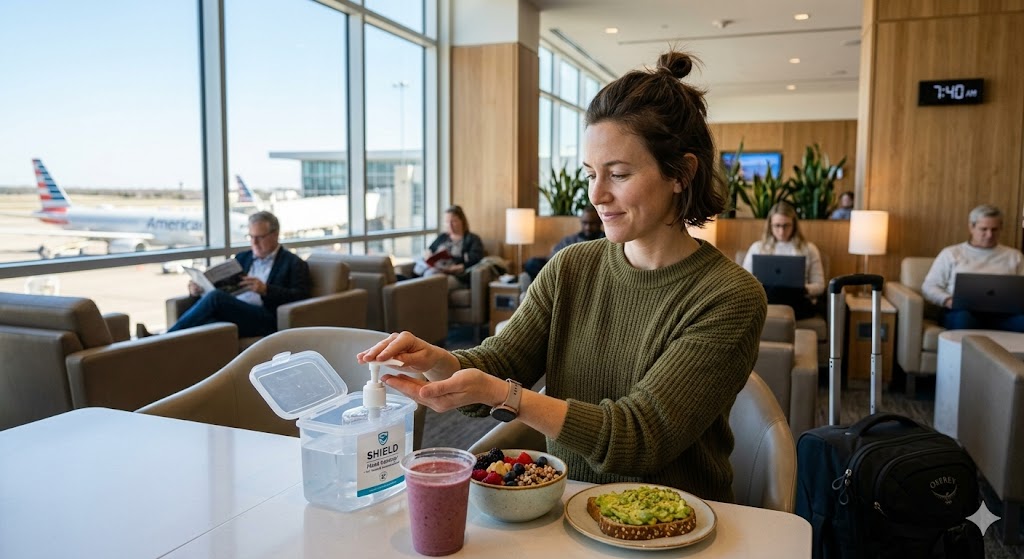
Finding natural ways to boost immunity for travel is a common priority for those who want to maintain their well-being while navigating the stresses of transit. When you move through different environments, your body encounters a variety of new stimuli that can challenge your internal equilibrium. Preparing your system ahead of time helps you remain resilient during long flights or busy itineraries.
The human immune system is a complex network of cells and proteins that work in concert to protect the body. During travel, factors like disrupted sleep, changes in diet, and exposure to recycled air can place additional demands on these biological processes. Supporting your body’s baseline function through consistent habits is often more effective than attempting last-minute interventions.
To support your health while traveling, focus on foundational habits like hydration, nutrient-dense food choices, and consistent sleep patterns. These strategies help maintain the integrity of your mucosal barriers and support the efficient function of your white blood cells. By prioritizing these areas, you can better manage the physical stressors associated with changing time zones and environments.
Effective preparation for travel involves supporting your internal biological defenses through consistent, evidence-based lifestyle habits rather than relying on quick fixes.
The foundation of a robust immune response lies in the consistent availability of essential micronutrients. Vitamins such as C and D, along with minerals like zinc, play critical roles in the maturation and activation of immune cells. When these nutrients are present in adequate amounts, the body can more effectively coordinate its response to environmental challenges.
Research indicates that oxidative stress, which often increases during travel due to fatigue and environmental changes, can impact cellular function. By consuming a diet rich in colorful vegetables and fruits, individuals provide their bodies with the necessary phytonutrients to neutralize free radicals. This process helps maintain the structural integrity of cells, ensuring they function optimally when needed.
Vitamin C is a water-soluble nutrient that acts as a potent antioxidant, helping to protect cells from damage. When you are traveling, your body may experience higher levels of metabolic stress, making the consistent intake of this vitamin particularly relevant for cellular protection. You can find this nutrient in foods like bell peppers, citrus fruits, and strawberries, which are easy to pack as travel snacks.
Zinc is another essential mineral that supports the development and function of immune cells. It is involved in the signaling pathways that tell your body how to respond to external threats, acting as a regulatory signal for your internal defenses. Including zinc-rich foods like pumpkin seeds, lentils, or lean meats in your pre-travel meals can help ensure your levels remain stable.
Vitamin D is unique because it functions more like a hormone, influencing the expression of genes involved in immune regulation. According to the National Institutes of Health, maintaining adequate levels is essential for overall health, though individual needs vary based on sun exposure and diet. Ensuring you have a baseline of this nutrient can support your long-term resilience while you are away from home.
The respiratory tract is lined with a mucosal barrier that serves as the first line of defense against external particles. Proper hydration is essential for maintaining the viscosity and function of this mucus, which traps debris and prevents it from entering deeper tissues. When you are dehydrated, this barrier can become compromised, potentially increasing your vulnerability to environmental stressors.
Travel environments, particularly airplanes, are notoriously dry, which can accelerate fluid loss. Maintaining consistent water intake is a simple yet effective way to support your mucosal health throughout your journey. Beyond water, herbal teas or electrolyte-balanced beverages can assist in maintaining fluid balance at the cellular level.
Drinking water at regular intervals helps keep your throat and nasal passages moist, which is a primary defense mechanism against airborne particles. When you are well-hydrated, your body can more efficiently transport nutrients to cells and remove metabolic waste products. This simple habit is one of the most effective ways to support your body during long periods of travel.
Electrolytes, such as sodium, potassium, and magnesium, are necessary for proper cellular hydration. These minerals help your cells hold onto water, ensuring that your tissues remain properly hydrated even in dry cabin air. Adding a pinch of sea salt or consuming mineral-rich foods like bananas can help you maintain this balance more effectively.
It is helpful to view hydration as a continuous process rather than a one-time event. By sipping water consistently, you avoid the peaks and valleys of fluid levels that can lead to fatigue and reduced performance. This steady approach allows your body to remain in a state of readiness, regardless of the travel conditions you encounter.
Sleep is the period during which the body performs essential maintenance and repair. During deep sleep, the immune system releases proteins called cytokines, which are necessary for coordinating the body’s response to stress. A lack of quality sleep can disrupt these pathways, potentially leading to a less efficient immune response.
When traveling across time zones, your circadian rhythm—the internal clock that regulates sleep—can become misaligned. This disruption often manifests as fatigue and a general feeling of being “off,” which can impact your overall well-being. Prioritizing rest, even when your schedule is packed, is a critical component of any wellness protocol.
Creating a consistent sleep environment can help signal to your body that it is time to rest, even in a hotel room. Using tools like eye masks or earplugs can minimize sensory input, allowing you to achieve deeper sleep cycles. This consistency helps your body maintain its natural rhythm, even when your external environment is changing.
Avoiding heavy meals or caffeine close to your intended bedtime can also improve the quality of your rest. These substances can stimulate the nervous system, making it harder for your body to enter the restorative phases of sleep. By choosing lighter, nutrient-dense options, you support your body’s ability to recover from the day’s activities.
If you find yourself struggling with sleep, consider the importance of light exposure. According to research from Harvard Medical School, light is the primary cue for your internal clock, and managing your exposure can help you adjust to new time zones more effectively. Aligning your light exposure with your destination’s time can help you achieve better sleep quality and faster adaptation.
When considering how to support your health, it is useful to understand the differences between obtaining nutrients from whole foods versus concentrated forms. Whole foods provide a complex matrix of fiber, enzymes, and co-factors that work together to enhance absorption. Concentrated forms, while convenient, may lack these synergistic components.
The following table outlines the general differences between these two approaches to nutrient intake:
| Feature | Whole Foods | Concentrated Supplements |
|---|---|---|
| Bioavailability | High (due to synergistic co-factors) | Variable (depends on formulation) |
| Nutrient Density | Broad spectrum of vitamins/minerals | Targeted, high-dose delivery |
| Practicality | Requires preparation | Highly portable for travel |
Chronic stress triggers the release of cortisol, a hormone that, when elevated for long periods, can suppress immune activity. Travel often involves unpredictable situations, such as delays or navigation challenges, which can naturally increase stress levels. Learning to manage these moments is vital for maintaining your internal balance.
Techniques such as deep breathing or mindfulness can help downregulate the nervous system, shifting the body from a “fight or flight” state to a “rest and digest” state. This shift is essential for allowing the immune system to function without the interference of excessive cortisol. By staying calm, you are actively supporting your body’s ability to protect itself.
Deep breathing exercises can be performed anywhere, from an airport terminal to a hotel room. By focusing on slow, rhythmic breaths, you can signal to your brain that you are safe, which helps to lower heart rate and reduce the physical impact of stress. This simple practice is a powerful tool for maintaining composure during travel.
Mindfulness involves staying present in the moment rather than worrying about future travel connections or past delays. This mental shift can prevent the stress response from becoming chronic, allowing your body to focus its energy on maintenance and repair. Even a few minutes of quiet reflection can make a significant difference in how you feel.
Physical movement, even in small amounts, can help process the adrenaline that accumulates during stressful travel moments. Stretching or taking a short walk can help release muscle tension and improve circulation, which supports overall well-being. These small, intentional actions help you stay grounded and resilient throughout your journey.
Focus on packing portable, nutrient-dense snacks like nuts, seeds, and dried fruits. Prioritize fresh produce when available and aim for balanced meals that include protein, healthy fats, and fiber to keep your energy levels stable.
Supplements are intended to complement, not replace, a balanced diet. While they can be useful for filling specific gaps, prioritizing whole foods and lifestyle habits like sleep and hydration is generally considered the most effective approach for long-term health.
Prioritize rest, increase your water intake, and simplify your schedule to reduce physical demands. If you are managing a medical condition, taking medication, or are pregnant or breastfeeding, it is important to seek individualized guidance from a qualified clinician.
Supporting your immune system during travel is best achieved by prioritizing consistent, foundational habits like hydration, quality sleep, and nutrient-dense food choices. These practices help maintain your body’s natural defenses and promote resilience against the physical stressors of transit.
This information is for educational purposes only and does not constitute medical advice. Individuals who are pregnant, breastfeeding, managing a medical condition, or taking medication should consult with a qualified clinician before making changes to their wellness protocols.
Start by identifying one foundational habit, such as increasing your daily water intake or establishing a consistent sleep schedule, and implement it during your next trip to observe how it influences your overall well-being.
Get Your FREE Ultimate Vitamin Guide!
Join the VitaminProGuide community to receive science-backed supplement reviews, nutritional insights, and absorption tips, delivered straight to your inbox.
Vitaminproguide.com is reader-supported. When you buy through links on our site, we may earn an affiliate commission at no extra cost to you. As an Amazon Associate, we earn from qualifying purchases. Read our full disclosure.