- Safety: Identifying these symptoms early allows for safe lifestyle interventions before serious illness occurs.
- Effectiveness: recognizing the warning signals is the most effective way to prevent chronic health decline.
- Key Benefit: Understanding your body’s distress signals helps you restore vitality and resistance to infection.
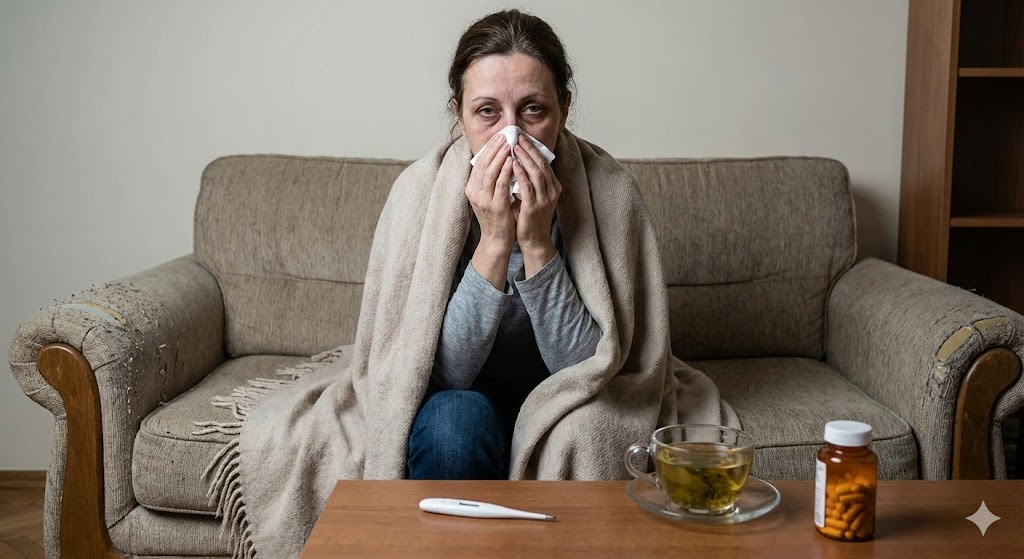
You seem to catch every single cold that goes around the office or your wounds take forever to close. It is frustrating and exhausting to feel like your body is constantly failing to protect you. Identifying the subtle signs of a weak immune system is the first step toward reclaiming your health.
I refused to accept that being perpetually sick was just bad luck or a normal part of aging. I dug into the medical journals to understand exactly how our body signals that its defenses are down. My research shows that your body gives you clear warnings long before a major illness strikes.
The problem is that most of us ignore these quiet alarms until we are bedridden. We push through the fatigue and mask the symptoms with over the counter drugs. Real health requires listening to what your physiology is trying to tell you.
Let us look at the specific red flags that indicate your internal army is struggling. Here are the top indicators that you need to take immediate action to support your immunity.
What the Research Says About Defense Mechanisms
My investigation into immunology reveals that a compromised defense system is often the result of chronic lifestyle factors rather than just genetics. When your white blood cells cannot keep up with external threats you become a walking target for pathogens. This state is known medically as being immunocompromised.
I found that the National Institute of Allergy and Infectious Diseases classifies primary immune deficiency disorders as distinct from temporary weakening due to stress or diet. However the symptoms often overlap significantly in daily life. Research indicates that seventy percent of your immune system resides in your gut so digestive health is a major predictor of overall immunity.
It is crucial to differentiate between a body that is fighting a specific bug and one that has chronically low defenses. A healthy system fights and recovers while a weak one gets stuck in a cycle of inflammation and infection.
| Feature | Weak Immune Response | Healthy Immune Response |
|---|---|---|
| Recovery Time | Prolonged and difficult | Quick and steady |
| Frequency of Illness | Frequent and recurring | Occasional and seasonal |
| Energy Levels | Chronic fatigue | Stable energy |
7 Effective Ways to Spot Low Defenses
1. High Stress Levels
Chronic stress is not just in your head it physically suppresses your immune system. I found that long term cortisol exposure decreases the number of lymphocytes which are the white blood cells that fight off infection. If you are always stressed you are likely always sick.
2. Frequent Digestive Issues
Since the majority of your immune system lives in your gut frequent diarrhea gas or constipation are major red flags. Research shows that healthy gut bacteria are essential for teaching your immune cells what to attack. A troubled tummy often equals a troubled defense system.
3. Wounds That Heal Slowly
Your skin creates a regeneration response when you get a cut or scrape. I discovered that immune cells are critical to this healing process so if your cuts linger for weeks it implies your immune response is sluggish. This is a classic clinical sign of deficiency.
4. Constant Fatigue
This is not just being tired after a long day but a bone deep exhaustion that sleep does not fix. When your immune system is struggling it hoards energy to keep fighting low grade infections leaving you with nothing left. You feel drained because your body is in overdrive.
5. Frequent Colds
Adults typically get two to three colds a year and bounce back in a week. If you are battling colds constantly or they drag on for weeks it is a clear sign your soldiers are losing the war. This inability to clear common viruses is a primary indicator.
6. Frequent Infections
Doctors look for patterns like having more than four ear infections in one year or developing pneumonia twice. I found that needing multiple courses of antibiotics annually suggests your body cannot handle bacteria on its own. This requires medical evaluation.
7. Joint Aches
Sometimes a weak immune system manifests as inflammation that attacks the joints. This can be a sign of an autoimmune issue where the system is confused rather than just weak. Persistent aching without injury should never be ignored.
Best Time & Dosage for Maximum Results
While we are discussing symptoms the “dosage” here refers to the lifestyle interventions needed to correct the course. I found that the best time to act is the moment you notice slow wound healing or recurring fatigue. Waiting until you have a full blown infection makes recovery much harder.
For sleep the required “dosage” to reset your immune system is strictly seven to nine hours per night. During sleep your body releases cytokines which are proteins that fight infection and inflammation. Skimping on this reduces your defenses immediately.
Regarding nutrition consistency is key. You need a daily dosage of varied fruits and vegetables to feed the gut microbiome. One healthy meal will not fix a weak system it requires weeks of consistent nutrient support to rebuild.
Safety & Precautions
1. Consult a Doctor for Persistent Symptoms
If you are sick constantly you need blood work to rule out serious underlying conditions like leukemia or HIV. Do not just take supplements and hope for the best. Medical testing provides the baseline you need.
Safety Note: Self diagnosis can delay critical treatment for serious diseases.
2. Watch for High Fevers
A low grade fever indicates your body is fighting but a sudden high fever requires immediate attention. It suggests a pathogen has overwhelmed your defenses significantly. Go to urgent care if this occurs.
Safety Note: High fevers can lead to dehydration and organ stress.
3. Be Careful with “Boosters”
If you have an autoimmune disease “boosting” your immune system can actually make your symptoms worse. Conditions like lupus or rheumatoid arthritis involve an overactive system. Always check with a rheumatologist first.
Safety Note: stimulation is dangerous for autoimmune patients.
4. Monitor Antibiotic Use
Overusing antibiotics destroys the good gut bacteria that support your immunity. Only take them when absolutely prescribed by a doctor for a bacterial infection. They do nothing for viral colds.
Safety Note: Antibiotic resistance makes future infections harder to treat.
5. Check Vitamin D Levels
Low Vitamin D is strongly linked to increased susceptibility to infection. However taking too much can be toxic so get your levels tested before supplementing heavily. Aim for a safe balance.
Safety Note: Toxicity can cause kidney stones and other issues.
5 Common Myths vs Facts
Myth 1: You should never get sick if you are healthy.
Fact: Getting sick occasionally is normal the sign of weakness is the inability to recover quickly.
Myth 2: More Vitamin C prevents all colds.
Fact: Vitamin C supports function but my research shows it does not prevent you from catching the virus initially.
Myth 3: Exercise always boosts immunity.
Fact: Moderate exercise helps but extreme high intensity training without rest actually suppresses immune function temporarily.
Myth 4: Supplements can replace a bad diet.
Fact: No pill can replicate the complex matrix of nutrients found in whole foods which drives immune health.
Myth 5: It is just genetics.
Fact: Epigenetics shows that lifestyle factors like sleep diet and stress management play a massive role in gene expression.
The Bottom Line
Your body is constantly communicating the state of its defenses through these physical signals.
Based on the research I believe that chronic stress and poor gut health are the two biggest drivers of the signs of a weak immune system in modern life. My take is that addressing your sleep hygiene and digestive health offers the fastest route to rebuilding your resilience. You have the power to strengthen your shield.
Your next step should be to schedule a basic blood panel with your doctor to check your white blood cell count and Vitamin D levels.
Get Your FREE Ultimate Vitamin Guide!
Join the VitaminProGuide community to receive science-backed supplement reviews, nutritional insights, and absorption tips, delivered straight to your inbox.