- Safety: Generally safe when taken as directed, but high doses of certain vitamins can be toxic.
- Effectiveness: Efficacy varies wildly; targeted antioxidants show promise, while generic multivitamins often fail.
- Key Benefit: Protects delicate inner ear cells from oxidative damage caused by noise and aging.
You are standing in a crowded room, straining to catch the words of the person next to you. This frustrating scenario drives many to search for supplements for hearing loss prevention, hoping for a simple fix. It’s a natural impulse to want to protect one of your most vital senses.
Most people get this completely wrong. They grab a cheap multivitamin from the drugstore and assume their ears are covered. But the delicate machinery of your inner ear requires specific, highly bioavailable nutrients to fight off daily damage.
I spent the weekend analyzing the data from recent clinical trials, and the results were eye-opening. There is a massive difference between generic “health” supplements and targeted auditory protection. You are not looking for a general wellness booster; you need a tactical defense system for your cochlea.
Forget the marketing hype. Let us look at what the science actually says about protecting your hearing for the long haul. We will separate the effective compounds from the expensive placebos.
The Science Behind Auditory Protection
Your inner ear is a metabolic powerhouse. The tiny hair cells that convert sound waves into electrical signals require an immense amount of energy. This process creates free radicals, unstable molecules that can damage cells and lead to permanent hearing loss over time.
According to the National Institute on Deafness and Other Communication Disorders (NIDCD), noise-induced hearing loss is a major public health issue, and oxidative stress is a primary culprit. This is where targeted antioxidants come in. They act as a cleanup crew, neutralizing free radicals before they can cause irreversible damage to your auditory nerve.
The problem with standard multivitamins is that they often contain synthetic forms of vitamins with low bioavailability. Or, they simply don’t have high enough doses of the specific nutrients your ears need. Effective protection requires clinical-strength doses of compounds known to cross the blood-labyrinth barrier and reach the inner ear tissue.
| Feature | Targeted Auditory Supplements | Generic Multivitamins |
|---|---|---|
| Dosage | Clinical-strength doses of specific antioxidants. | Low maintenance doses not meant for therapy. |
| Bioavailability | Often use active forms (e.g., Methyl B12). | Frequently use cheap synthetic forms. |
| Focus | Specific support for inner ear health and blood flow. | General nutritional baseline only. |
Practical Ways to Shield Your Hearing
1. High-Dose Antioxidant Complex (Vitamins A, C, E)
This “ACE” combination is a classic for a reason. Studies have shown that taking these powerful antioxidants together can reduce the temporary threshold shift that occurs after noise exposure. They work synergistically to scavenge free radicals in the cochlea.
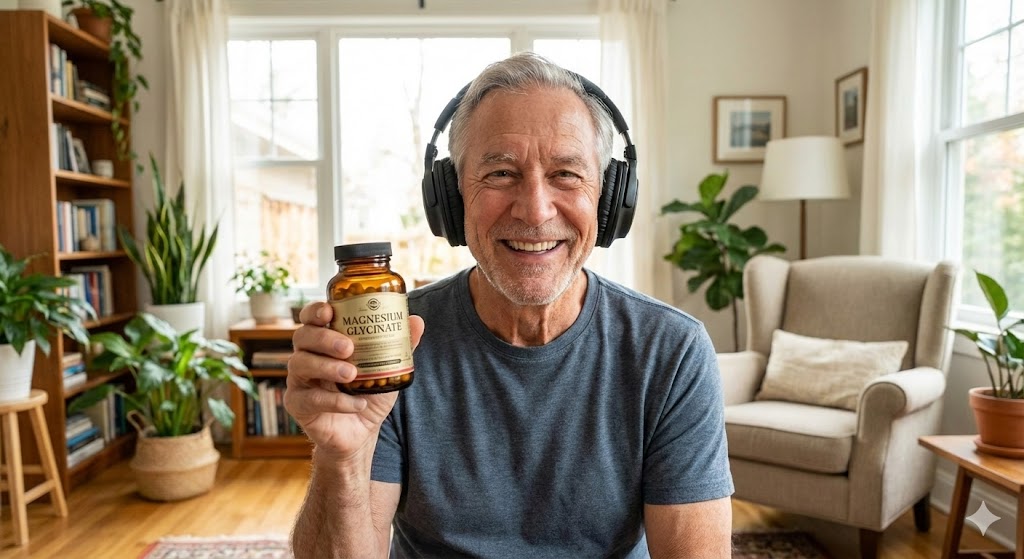
2. Magnesium Glycinate or Citrate
Magnesium acts as a natural calcium channel blocker, which helps prevent the overstimulation of nerve cells in the inner ear during loud noise events. I found that magnesium glycinate is often better absorbed and less likely to cause digestive upset than cheaper oxide forms.
3. N-Acetyl Cysteine (NAC)
NAC is a precursor to glutathione, your body’s master antioxidant. It is particularly effective at protecting against noise-induced damage and has been studied extensively in military personnel. It helps replenish the inner ear’s natural antioxidant defenses.
4. Coenzyme Q10 (CoQ10)
Since inner ear cells have such high energy demands, they are packed with mitochondria. CoQ10 is essential for mitochondrial function and energy production. Supplementing with ubiquinol, the active form, can support the energy needs of these auditory cells.
5. Omega-3 Fatty Acids (DHA & EPA)
Chronic inflammation can restrict blood flow to the inner ear, depriving it of oxygen and nutrients. High-quality fish oil, rich in DHA and EPA, acts as a powerful systemic anti-inflammatory. This helps maintain healthy circulation to the auditory system.
6. Methylated B-Complex (B12 & Folate)
Elevated homocysteine levels are linked to vascular issues that can affect hearing. B12 and folate are crucial for keeping homocysteine in check. Using methylated forms ensures that even people with common genetic mutations can absorb them effectively.
7. Zinc Picolinate
Zinc is found in high concentrations in the inner ear and plays a role in protecting hair cells. A deficiency can make ears more vulnerable to damage. The picolinate form is highly absorbable and well-tolerated.
How to Get the Best Results
Consistency is the absolute key to success with any preventative protocol. You cannot take these supplements only on days you go to a concert and expect them to work miracles. Antioxidant levels need to be built up in your tissues over time to provide effective protection.
Think of it like wearing sunscreen. You put it on before you go out in the sun, not after you already have a burn. Similarly, your inner ear needs a steady supply of protective nutrients to defend against the daily onslaught of noise and aging.
It is also crucial to combine supplementation with practical hearing protection. No pill can completely negate the damage from a jet engine or a front-row rock concert. Always wear earplugs in loud environments as your first line of defense.
Safety & Precautions
1. Consult Your Doctor First
Before starting any new regimen, especially if you are on medication, talk to your healthcare provider. Some compounds, like high-dose Vitamin E or fish oil, can act as blood thinners.
Safety Note: Interactions with anticoagulants are a major concern.
2. Watch Your Dosages
More is not always better. Adhere to recommended daily allowances unless under the guidance of a professional. Excessive amounts of certain fat-soluble vitamins like A and E can cause toxicity.
Safety Note: Megadosing without supervision is risky.
3. Choose Third-Party Tested Brands
The supplement industry is not strictly regulated. Look for products that have been independently tested by organizations like NSF or USP for purity and potency. This ensures you are not consuming heavy metals or other contaminants.
Safety Note: Poor quality products can do more harm than good.
4. Introduce Slowly
Do not start five new supplements on the same day. Introduce one new element at a time to see how your body reacts. This makes it easier to identify the cause of any digestive upset or other side effects.
Safety Note: Rushing in makes troubleshooting impossible.
5. Be Wary of “Miracle” Blends
Avoid products with “proprietary blends” that don’t disclose ingredient amounts. This is often a tactic to hide low dosages of effective ingredients. You have a right to know exactly what you are taking.
Safety Note: Hidden low doses mean hidden low effectiveness.
5 Common Myths vs. Facts
Myth 1: Hearing loss is an inevitable part of aging.
Fact: While age is a factor, much of age-related hearing loss is actually cumulative damage from noise and oxidative stress, which can be mitigated.
Myth 2: A daily multivitamin is enough protection.
Fact: Most multivitamins do not contain the therapeutic doses or specific forms of nutrients needed for targeted inner ear protection.
Myth 3: You only need supplements if you work in a loud job.
Fact: Everyday noise from city traffic, earbuds, and household appliances adds up and damages hearing over time.
Myth 4: Supplements can restore lost hearing.
Fact: Once hair cells are dead, they cannot be regenerated. Supplements are for prevention and protecting remaining hearing only.
Myth 5: Natural always means safe.
Fact: Natural compounds are biologically active and can have powerful side effects and drug interactions.
The Bottom Line
Protecting your hearing requires a proactive and targeted nutritional approach, not generic solutions.
Based on the research, I believe that finding the right supplements for hearing loss prevention starts with addressing the root cause: oxidative stress. My take is that relying on cheap multivitamins is a waste of time for this specific goal. You need clinical doses of bioavailable antioxidants like NAC and Magnesium to make a real difference.
Your next step should be to evaluate your daily noise exposure and consider starting a targeted antioxidant protocol. Look for products that list the specific forms and dosages of each ingredient clearly.
Get Your FREE Ultimate Vitamin Guide!
Join the VitaminProGuide community to receive science-backed supplement reviews, nutritional insights, and absorption tips, delivered straight to your inbox.