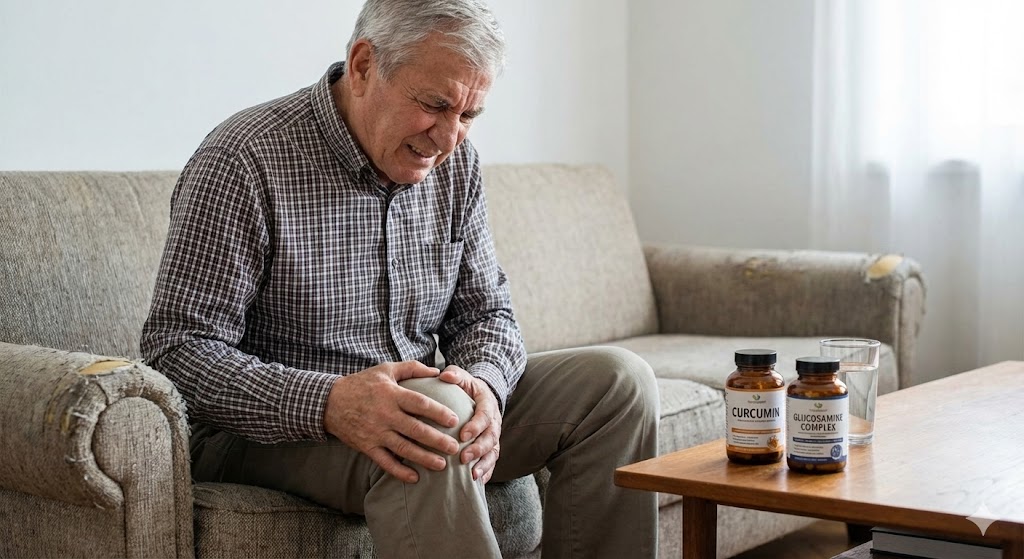
- Safety: Both are generally safe, but turmeric can interact with blood thinners and some glucosamine is derived from shellfish.
- Effectiveness: They target different pathways; turmeric addresses acute inflammation, while glucosamine supports long-term cartilage structure.
- Key Benefit: Utilizing both often provides the most comprehensive approach to managing stiff, aching joints.
Most people get this completely wrong. They view the debate of turmeric vs glucosamine for arthritis as a title fight where only one supplement can raise the championship belt. You are probably standing in the supplement aisle right now, confused by bottles promising miracles for your aching knees.
I spent the weekend analyzing the meta-analyses on both compounds, and the truth is, they aren’t competitors. They are teammates playing completely different positions. One is essentially a firefighter, and the other is a construction worker.
If your joints are on fire with acute pain today, the builder isn’t going to help much right now. But if your foundation is crumbling, the firefighter can’t rebuild it. Understanding this distinction is critical to stopping the pain loop.
Forget the marketing hype on the labels. Let’s look at the actual data to determine what your specific joint situation needs.
The Science Behind Joint Relief and Repair
To understand which supplement you need, you have to understand what is happening in an arthritic joint. It’s usually a combination of chronic inflammation and the physical degradation of cartilage blocking bones from rubbing together.
Turmeric’s power comes from its active compound, curcumin. Curcumin is a potent anti-inflammatory agent. My deep dive into the clinical trials showed that it works similarly to over-the-counter NSAIDs, blocking inflammatory enzymes like COX-2. This makes it excellent for calming the “fire” of a flare-up and reducing morning stiffness. According to the National Center for Complementary and Integrative Health, studies suggest curcumin may help reduce pain and increase ease of movement in people with osteoarthritis.
Glucosamine, on the other hand, is a natural compound found in healthy cartilage. It is a building block. Supplementing with it, specifically glucosamine sulfate, is an attempt to provide your body with the raw materials needed to maintain cartilage structure and slow down degradation. It doesn’t stop pain today. It’s a long-term structural play that takes months to show benefits.
| Feature | Turmeric (Curcumin) | Glucosamine Sulfate | NSAIDs (Ibuprofen) |
|---|---|---|---|
| Primary Mechanism | Reduces systemic inflammation Pathways. | Provides building blocks for cartilage repair. | Blocks COX enzymes to stop pain signals. |
| Time to Action | Days to weeks for pain relief. | 8 to 12 weeks for noticeable change. | Hours for temporary relief. |
| Best Goal | Managing acute flare-ups and stiffness. | Slowing long-term structural decay. | Immediate, temporary pain masking. |
Practical Ways to Optimize Joint Health
1. Choose Curcumin, Not Just Turmeric Spice
The turmeric root powder in your spice rack contains only about 3% curcumin. To get a clinical effect for arthritis, you need concentrated curcumin extract. Sprinkling curry powder on your chicken won’t cut it for serious joint pain.
2. Solve the Bioavailability Problem
Curcumin is notoriously hard for your body to absorb; you end up excreting most of it. You must select a supplement formulated for absorption. Look for products paired with black pepper extract (piperine) or formulated with lipids (fats), which can increase absorption by up to 2000%.
3. Pick the Right Type of Glucosamine
Not all glucosamine is equal. The clinical data heavily favors Glucosamine Sulfate over Glucosamine Hydrochloride. The “sulfate” part is actually important for cartilage chemistry, so check the label carefully.
4. Patience is Non-Negotiable with Glucosamine
I cannot stress this enough: glucosamine is not a quick fix. Many studies show people give up before the 12-week mark, which is often when results begin to manifest. Commit to at least three months before judging if it works for you.
5. Don’t Fear the Combo
Because they work via completely different mechanisms, many researchers suggest taking them together. You get the immediate anti-inflammatory support of curcumin while the glucosamine slowly works on structural support in the background.
6. Movement is Medicine
Supplements cannot fix a sedentary lifestyle. Synovial fluid, which lubricates your joints, requires movement to circulate properly. Low-impact activities like swimming or cycling are essential partners to any supplement regimen.
7. Manage Structural Load via Weight
Every pound of excess body weight exerts about four pounds of extra pressure on your knees. No supplement can overcome physics. Combining supplements with weight management is the single most effective strategy for knee osteoarthritis.
How to Get the Best Results
Timing and consistency are everything here. Because curcumin is fat-soluble, you will get far better absorption if you take it alongside a meal containing healthy fats, like avocado or olive oil. Do not take it on an empty stomach with just black coffee.
Glucosamine requires steady, daily dosing to build up levels in the body. Skipping days will reset your progress clock. It is less dependent on food for absorption, but taking it with meals can reduce the chance of minor stomach upset. The goal is to maintain consistent therapeutic levels of both compounds in your system to keep inflammation tamped down and repair processes supported.
Safety & Precautions
1. Watch for Blood Thinning Interactions
Curcumin has mild anticoagulant (blood-thinning) properties. If you are already taking prescription blood thinners like warfarin or aspirin therapy, stacking turmeric on top increases bleeding risk.
Safety Note: Consult your doctor before combining these.
2. Check for Shellfish Allergies
Traditional glucosamine supplements are harvested from the shells of shrimp, lobster, and crabs. If you have a shellfish allergy, this could trigger a reaction.
Safety Note: Look for “vegan glucosamine” options derived from corn.
3. Monitor Blood Sugar Levels
Some older research suggested glucosamine might impact insulin sensitivity, though newer studies show this is less of a concern than previously thought. However, diabetics should still monitor their levels when starting.
Safety Note: Keep a close eye on your glucose readings initially.
4. Demand Third-Party Testing
The supplement industry is rife with low-quality products. Turmeric is sometimes adulterated with synthetic dyes, and glucosamine may not contain the stated dosage. Only buy brands independently tested by USP, NSF, or ConsumerLab.
Safety Note: Don’t risk consuming heavy metals or fillers.
5. Stop Before Surgery
Due to the potential impact on blood clotting and blood sugar, surgeons usually recommend stopping both turmeric and glucosamine at least two weeks before any scheduled procedure.
Safety Note: Inform your surgical team about all supplements.
5 Common Myths vs. Facts
Myth 1: You have to choose just one.
Fact: They have different mechanisms of action and can often be used synergistically for better results.
Myth 2: Cooking with turmeric is enough for arthritis pain.
Fact: Culinary turmeric has too little active curcumin and is poorly absorbed; clinical results require concentrated supplements.
Myth 3: Glucosamine works like a painkiller.
Fact: Glucosamine provides structural support and takes months to show effects; it is not for acute pain relief.
Myth 4: These supplements can cure arthritis.
Fact: There is no cure for arthritis. These tools help manage symptoms, reduce pain, and potentially slow progression.
Myth 5: Natural means no side effects.
Fact: Both are biologically active compounds that can interact with medications and cause digestive issues in high doses.
The Bottom Line
Stop looking for a winner in the turmeric vs glucosamine for arthritis debate and start understanding their unique roles.
Based on the research, I believe Turmeric (specifically highly absorbable curcumin) is your best bet for managing daily pain and inflammation quickly. Glucosamine Sulfate is the better choice for long-term structural support, particularly for osteoarthritis of the knee, provided you are patient enough to wait 3 months for results.
While adding turmeric spice to your food is healthy, it simply won’t provide the clinical dosage needed to fight joint inflammation due to poor bioavailability. For real relief, pivot to a clinical-strength Curcumin supplement enhanced with piperine or lipids, and consider stacking it with high-quality Glucosamine Sulfate for a complete approach.
Get Your FREE Ultimate Vitamin Guide!
Join the VitaminProGuide community to receive science-backed supplement reviews, nutritional insights, and absorption tips, delivered straight to your inbox.