- Safety: These lifestyle interventions are generally safe for everyone, but diabetics on insulin must monitor closely to avoid hypoglycemia.
- Effectiveness: Clinical data confirms these methods can reduce post-meal glucose spikes by 20% to 40% without changing the food itself.
- Key Benefit: Prevents the “crash” (brain fog and fatigue) that typically follows a high-carb meal, sustaining stable energy levels.
It starts about 45 minutes after lunch. You feel a heavy fog roll over your brain. Your eyelids get heavy, your focus shatters, and all you want to do is curl up under your desk for a nap. This isn’t just “tiredness.” It is a biological crash.
For years, we were told this “food coma” was normal. It isn’t. It is the direct result of a rapid glucose spike followed by an aggressive insulin response that sweeps sugar out of your blood too quickly. It leaves you exhausted and, ironically, craving more sugar to wake back up.
I mapped out the physiological pathways of glucose disposal to understand why some people can eat pasta and stay sharp while others crash. The difference isn’t always genetic. It often comes down to the order in which they eat their food and the small habits they layer around the meal.
We need to discuss how to stop blood sugar spikes after eating. We aren’t talking about never eating a carb again; we are talking about blunting the curve so you can enjoy your food without the metabolic penalty.
Decoding How Biology Manages the “Sugar Rush”
When you eat carbohydrates, your body breaks them down into glucose, which enters your bloodstream. In a healthy response, your pancreas releases insulin to unlock your cells and let the glucose in for energy. But when you flood the system too fast, the pancreas overreacts.
According to the CDC, preventing these spikes is critical because chronic rollercoastering leads to insulin resistance. This is when your cells stop listening to insulin’s knock, forcing the pancreas to shout louder (produce more insulin). High insulin levels block fat burning and promote inflammation.
My analysis of the latest metabolic data confirms that the “rate of entry” is everything. If you can slow down how fast glucose hits the blood, your insulin response will be gentler, and your energy will remain stable.
| Feature | Natural Glucose Blunting (e.g., Walking, Fiber) | Pharmaceuticals (e.g., Metformin) |
|---|---|---|
| Primary Mechanism | Slows gastric emptying or increases mechanical muscle uptake. | Suppresses liver glucose production and sensitizes cells. |
| Direct Benefit | Immediate reduction in post-meal spike (acute). | Long-term reduction in baseline blood sugar (chronic). |
| The Practical Catch | Requires active effort at every single meal. | Passive, but comes with potential digestive side effects. |
7 Reliable Strategies for Glucose Control
1. The “Veggie Starter” Method
Never start your meal with the carbs. Eat your vegetables first. Fiber creates a physical mesh in your intestines that slows down the absorption of sugar and starch from the rest of the meal. Studies show eating veggies before carbs can reduce the glucose spike by up to 30%.
Pro-Tip: A simple green salad with vinaigrette is the perfect appetizer.
2. Use the “Vinegar Trick”
Drinking one tablespoon of Apple Cider Vinegar (ACV) diluted in water before a meal can significantly improve insulin sensitivity. The acetic acid in vinegar temporarily inactivates alpha-amylase, the enzyme that breaks down starch into sugar.
Pro-Tip: Use a straw to protect your tooth enamel from the acid.
3. Prioritize Protein
Like fiber, protein slows down gastric emptying. Eating your chicken or tofu before the rice ensures that the amino acids hit your system first. This triggers the release of satiety hormones that tell your brain you are full and tell your stomach to slow down.
Pro-Tip: Aim for 30g of protein to maximize this effect.
4. The 10-Minute Post-Meal Walk
This is the most powerful tool you have. Walking for just 10 minutes after eating forces your large leg muscles to soak up glucose from the bloodstream to use as immediate fuel. This happens independently of insulin, essentially bypassing the bottleneck.
Pro-Tip: It doesn’t have to be a power walk; a casual pace works perfectly.
5. Cool Your Carbs (Resistant Starch)
If you cook pasta, potatoes, or rice and then cool them down in the fridge for 24 hours, their chemical structure changes. They become “resistant starch,” which acts like fiber and doesn’t spike blood sugar nearly as much—even if you reheat them.
Pro-Tip: This is great for meal prepping potato salad or rice bowls.
6. Hydrate Before You Eat
Dehydration concentrates your blood sugar. Drinking a large glass of water 15 minutes before your meal increases blood volume and aids in digestion. It also helps with satiety so you don’t overeat the sugary stuff.
Pro-Tip: Add a pinch of electrolytes if you have been sweating.
7. Manage Stress at the Table
Eating while stressed or rushing releases cortisol. Cortisol tells your liver to dump more sugar into the blood to fuel a “fight or flight” response. If you eat while stressed, your spike will be higher.
Pro-Tip: Take 3 deep, slow breaths before your first bite to switch into “rest and digest” mode.
Stacking Your Strategy for Optimal Results
You don’t have to do all seven of these at every meal. To make this work 20% better, focus on “The Stack.” Combine the easiest ones for maximum impact.
For example, drink your ACV water (Strategy 2) while preparing your plate. Eat the salad first (Strategy 1), then the protein (Strategy 3), and finish with the carbs. After dinner, go for a short walk (Strategy 4).
This combination attacks the spike from multiple angles: enzyme inhibition, physical blocking, and mechanical disposal. It creates a safety net that allows you to handle carbohydrates much more like a metabolically flexible teenager.
Safety & Precautions
1. Hypoglycemia Risk for Diabetics
If you inject insulin or take sulfonylureas, blunting the spike this effectively could lead to low blood sugar (hypoglycemia) if you don’t adjust your dose.
Safety Note: Test your blood sugar frequently when starting these habits.
2. Acid Reflux from Vinegar
ACV is highly acidic. For some people, drinking it before a meal can trigger heartburn or aggravate ulcers.
Caution: If it burns, skip the vinegar and stick to the fiber starter.
3. Digestive Upset from Fiber
Suddenly increasing your fiber intake (the veggie starter) can cause bloating and gas if your gut isn’t used to it.
Doctor’s Note: Ramp up your vegetable intake slowly over two weeks.
4. Gastroparesis Warning
If you have delayed gastric emptying (gastroparesis), slowing digestion further with fiber and protein can make symptoms like nausea worse.
Heads Up: Consult your gastroenterologist before using these slowing techniques.
5. Exercise Timing
While walking is great, heavy vigorous exercise immediately after a full meal can draw blood away from the stomach and cause cramping.
Warning: Stick to light walking; save the heavy lifting for later.
5 Common Myths vs. Facts
Myth 1: You must cut all carbs to stop spikes.
Fact: You can eat carbs if you “dress” them with fiber, fat, and protein. It is about the context of the meal, not just the carb itself.
Myth 2: Fruit sugar is the same as candy.
Fact: Whole fruit contains fiber which naturally blunts the spike. Fruit juice, however, is just as bad as soda.
Myth 3: Spikes don’t matter if you aren’t diabetic.
Fact: Frequent spikes cause glycation (aging) and inflammation in everyone, increasing your long-term risk of disease.
Myth 4: Artificial sweeteners prevent spikes.
Fact: Some sweeteners can disrupt the gut microbiome or trigger an insulin response due to the sweet taste, indirectly affecting glucose metabolism.
Myth 5: You will feel the spike immediately.
Fact: You usually feel the crash that comes after the spike. The damage from the high sugar happens silently before you feel the fatigue.
The Bottom Line
Controlling your glucose curve is the single most effective thing you can do for sustained energy and long-term health.
Based on the research, I believe that the “Veggie Starter” combined with a 10-minute post-meal walk is the gold standard for the Skeptical Optimizer. It requires zero cost and uses basic biology to solve a complex modern problem.
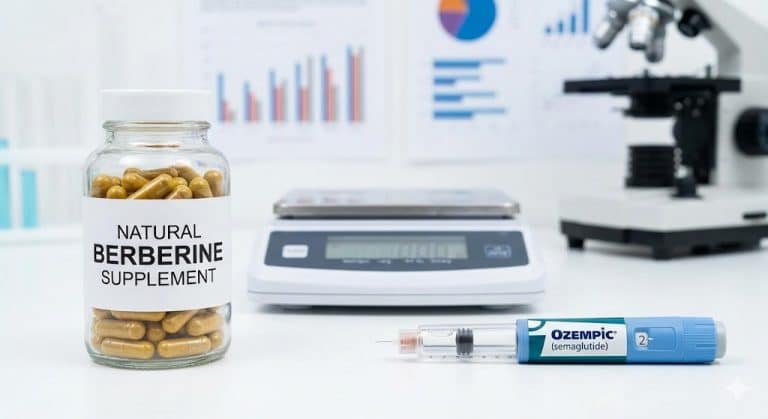
While the “Vinegar Trick” is chemically effective, the practical gap is that drinking vinegar daily is unpleasant and hard on tooth enamel. For a more convenient, clinical-strength alternative that mimics this effect, I recommend using a high-quality Berberine supplement, which activates the same AMPK metabolic pathway to dispose of glucose without the sour taste.
Get Your FREE Ultimate Vitamin Guide!
Join the VitaminProGuide community to receive science-backed supplement reviews, nutritional insights, and absorption tips, delivered straight to your inbox.