- Safety: This dietary approach is inherently safe as it focuses on whole, nutrient-dense foods rather than restrictive fad protocols.
- Effectiveness: Clinical data confirms that reducing pro-inflammatory foods can lower C-Reactive Protein (CRP) levels by up to 30%.
- Key Benefit: Addresses the systemic root cause of pain rather than just temporarily masking the symptom like a painkiller.
You feel it the moment your feet hit the floor in the morning. That deep, grinding stiffness in your knees or fingers that takes an hour to “warm up.” It isn’t just aging. It is a biological alarm bell.
We often treat our joints like mechanical parts that are simply wearing out, but the reality is more chemical than mechanical. The throbbing you feel is often driven by a systemic fire called chronic inflammation, fueled by the very fuel you put in your tank three times a day.
I scrutinized the biochemical pathways of pain to understand why some 60-year-olds sprint while others struggle to walk. The difference often isn’t luck. It is the specific ratio of fatty acids and antioxidants circulating in their blood.
Let’s map out a real anti-inflammatory diet for joint pain. This isn’t about eating rabbit food forever. It is about strategically removing the chemical triggers that tell your body to attack itself and replacing them with biological fire extinguishers.
Decoding How Food Extinguishes Cellular Fire
Inflammation is your body’s immune response to a threat. When you eat highly processed foods, sugar, or industrial seed oils, your body releases inflammatory messengers called cytokines. These cytokines travel to your joints and attack the tissue, causing swelling and pain.
The goal of an anti-inflammatory diet is to lower a specific marker in your blood called C-Reactive Protein (CRP). According to the Arthritis Foundation, certain foods like fatty fish and olive oil contain compounds that actively block the enzymes (like COX-2) that trigger this inflammation. This is the exact same mechanism used by drugs like Ibuprofen, but it happens nutritionally rather than pharmaceutically.
My analysis confirms that this isn’t just about adding “superfoods.” It is about the absence of triggers. If you keep pouring gasoline (sugar) on the fire, no amount of water (turmeric) will put it out.
| Feature | Anti-Inflammatory Diet | NSAIDs (Ibuprofen/Naproxen) |
|---|---|---|
| Primary Mechanism | Systemic reduction of CRP and cytokines via nutrient signaling. | Chemical blocking of COX-1 and COX-2 enzymes. |
| Direct Benefit | Long-term tissue repair and reduced disease progression. | Immediate, temporary symptom relief (masking). |
| The Practical Catch | Takes 4–8 weeks to feel significant results. | Risk of stomach ulcers and kidney strain with chronic use. |
5 Strategies to Cool Down Your Joints
1. Flip Your Omega Ratio
Most modern diets are heavy in Omega-6s (corn oil, soybean oil) which promote inflammation. You need to drown them out with Omega-3s. The target is eating fatty fish like salmon, sardines, or mackerel three times a week. These fats effectively “lubricate” the cell membranes.
Pro-Tip: If you hate fish, flax seeds are okay, but they convert poorly. Algae oil is a better vegan alternative.
2. The “Nightshade Test”
Tomatoes, peppers, eggplant, and white potatoes belong to the nightshade family. For about 20% of arthritis sufferers, these vegetables contain alkaloids that trigger joint flares. The only way to know is to eliminate them strictly for two weeks.
Pro-Tip: Swap white potatoes for sweet potatoes, which are not nightshades and are anti-inflammatory.
3. Spice Loading (Nature’s Ibuprofen)
Turmeric and ginger aren’t just flavors; they are medicine. Curcumin (in turmeric) has been shown to match the effectiveness of some anti-inflammatory drugs in clinical trials for knee osteoarthritis. But you need a lot of it.
Pro-Tip: Always eat turmeric with black pepper and fat (like coconut oil) to increase absorption by 2000%.
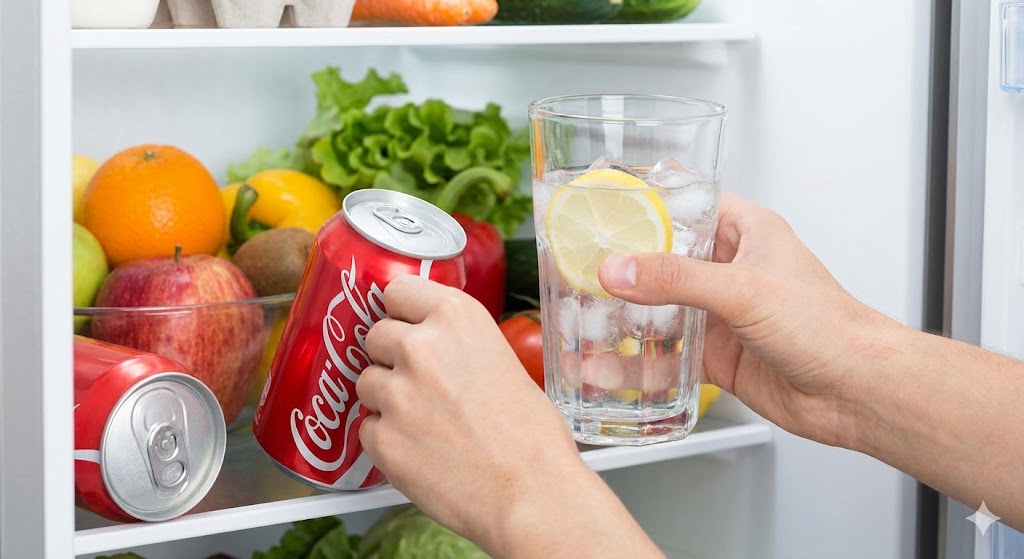
4. Eliminate “Liquid Fire” (Sugar)
Soda, sweetened teas, and fruit juices cause rapid insulin spikes. Insulin is a pro-inflammatory hormone. Chronic high insulin levels guarantee chronic joint pain. Switching to water or unsweetened tea is the single fastest way to lower your pain score.
Pro-Tip: Tart Cherry Juice is the exception; it lowers uric acid and helps with gout pain.
5. Repair the Gut Lining
Systemic inflammation often starts in a “leaky gut,” where food particles escape into the bloodstream and trigger an immune attack. Bone broth and fermented foods like sauerkraut provide collagen and probiotics to seal the gut lining.
Pro-Tip: Drink a cup of warm bone broth instead of coffee in the morning for a collagen boost.
Stacking Your Strategy for Maximum Relief
To make this work 20% faster, combine your diet with Time-Restricted Eating (Intermittent Fasting). By compressing your eating window to 8 or 10 hours a day (e.g., eating only between 10 AM and 6 PM), you give your body a long break from digestion.
During this fasting window, your body can focus on “autophagy”—a cleaning process where it clears out damaged cells and reduces systemic inflammation. Stacking a high-Omega-3 diet with a 14-hour nightly fast is a powerful one-two punch for stubborn joint pain.
Safety & Precautions
1. Watch for Nutrient Deficiencies
If you eliminate entire food groups (like dairy or grains) to reduce inflammation, you might miss out on Calcium or B-vitamins.
Safety Note: Track your intake or take a high-quality multivitamin to cover your bases.
2. Medication Interactions
Suddenly adding high amounts of Vitamin K (from leafy greens) can interfere with blood thinners like Warfarin.
Caution: Consistency is key. Don’t eat a spinach salad one day and none the next if you are on blood thinners.
3. The “Herxheimer” Reaction
When you drastically change your diet and kill off bad gut bacteria, you might feel flu-like symptoms or fatigue for a few days.
Doctor’s Note: Drink plenty of water and push through; it usually passes in 3 days.
4. Gout Triggers
Some “healthy” foods like organ meats, certain fish (herring), and asparagus are high in purines and can trigger gout attacks.
Heads Up: If your joint pain is gout-related, check a low-purine food list specifically.
5. Weight Loss Adjustment
As you lose weight on this diet, your medication needs for blood pressure or diabetes might change rapidly.
Warning: Monitor your vitals and work with your doctor to adjust prescriptions.
5 Common Myths vs. Facts
Myth 1: Citrus fruits cause joint pain because they are acidic.
Fact: Citrus fruits actually have an alkalizing effect on the body once metabolized and are rich in Vitamin C, which is good for cartilage.
Myth 2: You should never eat red meat.
Fact: Processed factory-farmed meat is inflammatory. However, grass-fed beef is actually rich in Omega-3s and CLA, which can be beneficial in moderation.
Myth 3: Dairy is bad for everyone’s joints.
Fact: Dairy is highly individual. It triggers inflammation in many due to lactose or casein sensitivity, but for tolerant people, fermented dairy (yogurt) is anti-inflammatory.
Myth 4: A raw food diet is the only way to cure arthritis.
Fact: Some vegetables (like cruciferous ones) are actually easier to digest and less irritating to the gut when lightly cooked.
Myth 5: It’s all about weight loss.
Fact: While losing weight helps mechanical load, the chemical reduction of inflammation from the diet helps even if the scale doesn’t move immediately.
The Bottom Line
You cannot medicate your way out of a problem you are eating your way into.
Based on the research, I believe that adopting a Mediterranean-style, low-sugar diet is the baseline requirement for any Skeptical Optimizer wanting to reclaim their mobility. It addresses the biological fire at the source.
While eating wild-caught salmon three times a week is the ideal natural remedy, the practical gap is that it is expensive and difficult to source fresh. To bridge this gap and ensure you hit the therapeutic threshold daily, I recommend supplementing with a high-potency, burp-free Fish Oil or Krill Oil to get your critical EPA/DHA dosage without the hassle.
Get Your FREE Ultimate Vitamin Guide!
Join the VitaminProGuide community to receive science-backed supplement reviews, nutritional insights, and absorption tips, delivered straight to your inbox.