Contents
- Safety: Metformin is known to deplete Vitamin B12 levels over time. Berberine inhibits liver enzymes (CYP450). This can alter the potency of other medications in your blood.
- Effectiveness: Head-to-head clinical trials show that 1,500mg of Berberine daily is equally effective as 1,500mg of Metformin in lowering HbA1c and fasting glucose.
- Key Benefit: Berberine improves lipid profiles (cholesterol) and gut health significantly better than Metformin. But it has poor bioavailability.
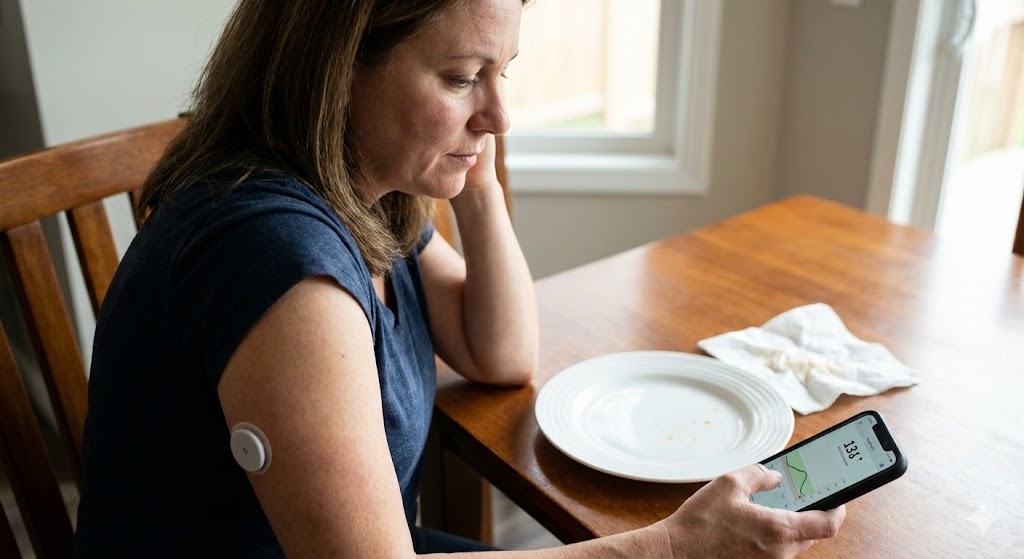
You finish a bowl of pasta. Twenty minutes later, you feel the crash. The brain fog rolls in. You know your blood sugar just spiked and plummeted. You have heard the biohackers call Berberine “Nature’s Metformin.” You wonder if a yellow plant extract can truly rival the most prescribed diabetes drug in history.
The pharmaceutical industry treats high blood sugar as a deficiency of medication. They give you Metformin to sensitize your cells to insulin. But nature has compounds that flip the exact same metabolic switches. The difference lies in the side effects. And the absorption.
I compared the activation pathways of Adenosine Monophosphate-Activated Protein Kinase (AMPK). I reviewed the bioavailability data of standard Berberine HCL against pharmaceutical Metformin. The data suggests that for the Skeptical Optimizer, the battle of Berberine vs Metformin for post-meal glucose spikes is not about potency. It is about how much your gut can tolerate.
Decoding The AMPK Activation Switch
Both Berberine and Metformin work by targeting a master switch in your metabolism called AMPK. When this switch is flipped, your body stops storing fat and starts burning glucose for energy. It effectively tells your cells to open their doors and suck sugar out of the bloodstream.
According to the National Institutes of Health (NIH), Berberine activates AMPK just as powerfully as Metformin. However. Berberine also acts as a mild antimicrobial in the gut. It shifts your microbiome. This can reduce the systemic inflammation that drives insulin resistance in the first place.
My analysis confirms that the main bottleneck for Berberine is getting it into the blood. Metformin is designed to survive digestion. Berberine is not. You often have to take high doses to get a clinical effect. This can lead to the infamous “Berberine belly” cramping.
| Feature | Berberine (Standard HCL) | Metformin (Prescription) |
|---|---|---|
| Primary Mechanism | AMPK Activation + Microbiome Modulation. | AMPK Activation + Decreased Liver Glucose. |
| Direct Benefit | Lowers glucose, cholesterol, and inflammation. | Gold standard for HbA1c reduction. |
| The Practical Catch | Poor absorption requires 3 doses daily. | Depletes Vitamin B12 and lowers testosterone. |
5 Strategic Ways To Flatten The Curve
1. The “15 Minute” Rule
Berberine works primarily in the gut to stop glucose absorption. You must take it 15 to 20 minutes before your meal. Taking it after you eat significantly reduces its ability to blunt the spike.
Pro-Tip: Set a timer. If you forget, take it immediately with the first bite.
2. Cycle Your Usage
Because Berberine is antimicrobial, taking it everyday forever might disrupt your gut flora diversity. It acts like a mild antibiotic. I recommend a “5 days on, 2 days off” schedule.
Pro-Tip: Take weekends off to let your microbiome recover.
3. Upgrade to Dihydroberberine
Standard Berberine has poor bioavailability. Dihydroberberine is a metabolite that is absorbed 5x better. You only need 100mg to 200mg to get the effect of 1,500mg of standard powder. This eliminates the stomach cramping.
Pro-Tip: Look for the trademark “GlucoVantage” on the label.
4. The “Carb-Heavy” Target
You do not need Berberine if you are eating a steak and salad. Save it for meals that have more than 30g of carbohydrates. Using it on a low-carb meal can sometimes drive your blood sugar too low (hypoglycemia).
Pro-Tip: Use it as a tool, not a daily multivitamin.
5. Watch Your Muscle Gains
Both Metformin and Berberine inhibit mTOR. This is the pathway for muscle growth. Taking high doses right after a workout might blunt your hypertrophy gains.
Pro-Tip: Avoid taking it within 3 hours of your weight training session.
Stacking Your Strategy For Maximum Bioavailability
To make standard Berberine work 20% better, stack it with Silymarin (Milk Thistle) or Coconut Oil. Berberine is fat-soluble. Taking it with a fat source improves uptake.
Milk Thistle inhibits the P-glycoprotein transporter. This transporter usually pumps Berberine back out of the cell. By blocking the pump, Milk Thistle allows more Berberine to stay inside the cell where it belongs. This synergy allows you to use a lower dose while getting the same glucose control.
Safety & Precautions
1. Liver Enzyme Interaction
Berberine slows down CYP450 enzymes in the liver. This means other medications (like antidepressants or beta-blockers) might stay in your system longer.
Safety Note: Talk to your pharmacist about interactions if you take prescription meds.
2. Hypoglycemia Risk
If you are already on insulin or glipizide, adding Berberine can crash your blood sugar.
Caution: Monitor your glucose closely. You may need to lower your insulin dose.
3. Pregnancy
Berberine can cross the placenta and may harm the fetus. It can cause kernicterus in newborns.
Doctor’s Note: Strictly forbidden during pregnancy and breastfeeding.
4. B12 Levels (Metformin Users)
If you choose Metformin, you must supplement with Methyl-B12. Long term use blocks B12 absorption in the ileum.
Heads Up: Get your B12 levels checked annually.
5. Lactic Acidosis
Rare but serious risk for Metformin users with kidney issues.
Warning: Ensure your kidneys are healthy (eGFR) before starting.
5 Common Myths vs. Facts
Myth 1: Berberine is weaker than drugs.
Fact: At the correct dose (1,500mg), it is statistically equivalent to Metformin for lowering A1c.
Myth 2: You can eat pizza and lose weight.
Fact: Berberine helps disposal. But it cannot outwork a bad diet. It is a disposal unit, not a magic eraser.
Myth 3: Cinnamon is just as good.
Fact: Cinnamon is a weak sensitizer. Berberine is a potent AMPK activator. They are in different leagues.
Myth 4: You should take it fasting.
Fact: Taking it fasting often causes severe nausea. Always take it just before food.
Myth 5: It damages the liver.
Fact: Berberine is actually hepatoprotective. It reduces fat in the liver (NAFLD). However, it does interact with liver enzymes.
The Bottom Line
You cannot ignore a post-meal spike. It is the first domino in metabolic disease.
Based on the research, I believe that for the Skeptical Optimizer, Berberine is the superior choice if you want to avoid the B12 depletion and testosterone suppression associated with Metformin. It offers metabolic control with the added bonus of lipid support.
While drinking Apple Cider Vinegar is a cheap way to lower the glucose curve, the practical gap is the acid erosion on your teeth. For a clinical-strength result that actually mimics the pharmaceutical mechanism, I recommend pivoting to Dihydroberberine. This advanced form solves the absorption issue. It delivers the AMPK activation you need without the stomach distress.
Get Your FREE Ultimate Vitamin Guide!
Join the VitaminProGuide community to receive science-backed supplement reviews, nutritional insights, and absorption tips, delivered straight to your inbox.