- Safety: Considered safe for most adults with few reported side effects
- Effectiveness: Studies show visible improvement in skin elasticity and hydration
- Key Benefit: Stimulates the body to produce its own collagen naturally
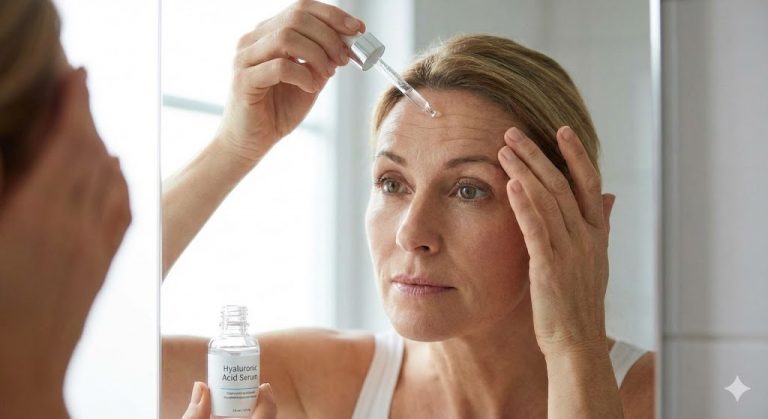
You look in the mirror and notice that your jawline is not as sharp as it used to be. The skin around your cheeks feels a little looser than you remember. This common experience leads many people to search for the best collagen powder for sagging skin 2026.
I refused to accept that this natural decline was irreversible without drastic measures. My investigation into skin aging revealed that our natural collagen production plummets in our 30s. This protein is the scaffolding that holds everything up so when it weakens gravity takes over.
It turns out that not all supplements are created equal when it comes to targeting skin tissue. The market is flooded with products that may not actually reach the dermis where they are needed most. I dug into the trials to find out which types actually make a difference.
The data suggests that specific hydrolyzed peptides are small enough to be absorbed and signal repair. Let us explore how to identify the high quality options that can help restore firmness. This is about finding a science backed tool for your beauty routine.
What the Research Says About Collagen Peptides & Elasticity
My review of the scientific literature shows that oral collagen supplements work by a fascinating mechanism. When you ingest hydrolyzed collagen your body breaks it down into amino acids and small peptides. These fragments enter your bloodstream and travel to the skin.
Once there they act as false signals that tell your body that its own collagen is breaking down. This triggers your fibroblast cells to ramp up production of new collagen and elastin fibers. I found that this process directly addresses the root cause of sagging skin.
Clinical studies have demonstrated that consistent use can increase skin hydration and elasticity. The key is choosing a product with a low molecular weight for maximum bioavailability. It is not about just eating protein it is about sending the right signal.
| Feature | Hydrolyzed Collagen Peptides | Topical Collagen Creams |
|---|---|---|
| Mechanism of Action | Stimulates internal production | Provides temporary surface moisture |
| Depth of Penetration | Reaches the deep dermis layer | Sits on the top layer of skin |
| Long Term Results | Structural improvement over time | Effects wash off with water |
Effective Ways to Use Collagen for Maximum Absorption
1. Prioritize Hydrolyzed Bovine or Marine Sources
The source of your collagen matters significantly for skin health. I found that bovine and marine sources are rich in Type I and Type III collagen which are the primary building blocks of your skin. Look for products that specify they are hydrolyzed which means they are already broken down for easy absorption. This ensures the nutrients get where they need to go.
2. Combine with Vitamin C for Synergy
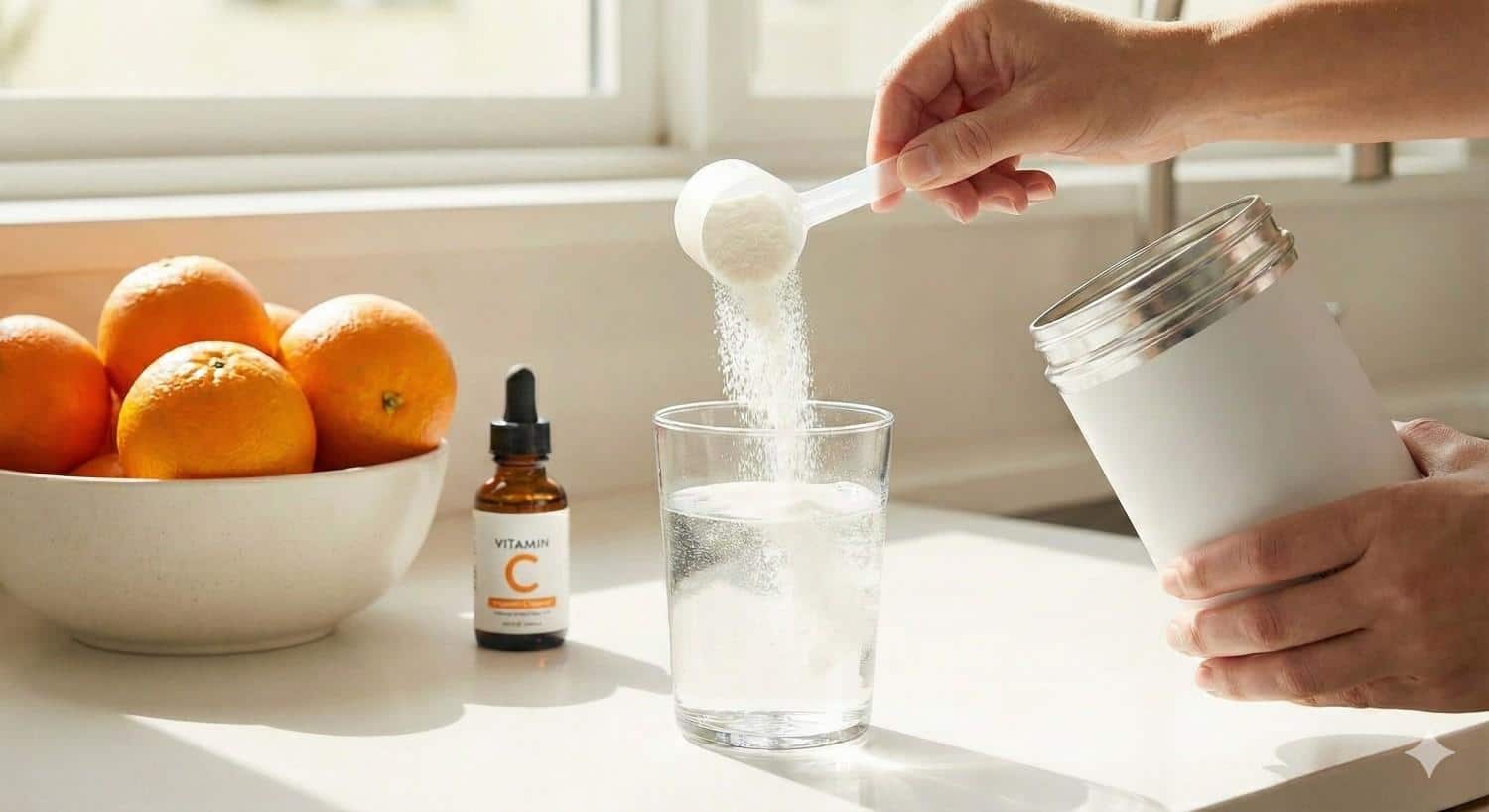
Your body cannot effectively synthesize new collagen without adequate Vitamin C. I discovered that this vitamin acts as an essential cofactor for the enzymes responsible for stabilizing the collagen molecule. Taking your powder with a glass of orange juice or a Vitamin C supplement can amplify its effects. It is a simple tweak that maximizes your results.
3. Commit to Daily Consistency
Skin repair is a slow and steady process that does not happen overnight. My research indicates that clinical trials showing positive results almost always involve daily supplementation for at least 8 to 12 weeks. Skipping days will disrupt the signaling process and delay visible improvements. Make it a non negotiable part of your morning routine.
4. Look for Verisol Bioactive Collagen Peptides
Some brands use patented ingredients that have been specifically tested for skin health. I noted that Verisol is a specific brand of bioactive peptides with numerous studies supporting its ability to reduce wrinkle depth and increase skin elasticity. Choosing a product with clinically studied ingredients gives you more confidence in its efficacy. It removes some of the guesswork.
5. Avoid Formulas with Excessive Fillers
Many supplements are packed with artificial sweeteners flavors and preservatives that do nothing for your skin. I recommend reading the ingredient label carefully and choosing a clean unflavored powder. You want to be paying for the active ingredient not cheap additives. Pure collagen is versatile and can be added to anything.
6. Integrate into a Healthy Lifestyle
No supplement can completely undo the damage of a poor diet or smoking. I found that collagen works best when it is part of a holistic approach to health. Eating antioxidant rich foods staying hydrated and protecting your skin from the sun are essential partners in this process. It is a supportive tool not a magic eraser.
7. Monitor Your Progress with Photos
Because the changes are gradual it can be hard to notice them day to day. I suggest taking a clear well lit photo of your face and neck before you start and again every month. This gives you objective proof of whether your chosen product is working. Seeing the progress can be incredibly motivating.
Best Time & Dosage for Visible Results
The majority of studies demonstrating skin benefits use a daily dosage between 2.5 grams and 10 grams of hydrolyzed peptides. I found that higher doses do not necessarily equate to better results so it is best to stick within this proven range. A standard scoop from most quality brands falls right in this sweet spot.
There is no single best time of day to take collagen for skin health. The most important factor is that you take it consistently every single day. Some people prefer it in their morning coffee while others add it to a post workout smoothie.
I suggest finding a time that fits easily into your existing routine so you do not forget it. The goal is to maintain a steady supply of these building blocks in your system. Consistency beats timing every time.
Safety & Precautions
1. Check for Allergens
Marine collagen is derived from fish and bovine collagen comes from cows. If you have a known allergy to fish or shellfish you must avoid marine sources. Always read the label carefully to ensure the source is safe for you.
Safety Note: Allergic reactions can be severe.
2. Verify Third Party Testing
The supplement industry is not strictly regulated. I recommend buying brands that independently test their products for purity and heavy metals. This ensures you are getting a clean product free from harmful contaminants.
Safety Note: Purity protects your long term health.
3. Consult Your Doctor if Pregnant or Nursing
While generally considered safe there is limited data on collagen supplementation during pregnancy. It is always best to err on the side of caution. Speak with your healthcare provider before starting any new regimen.
Safety Note: Fetal safety is the priority.
4. Watch for Digestive Discomfort
Some people experience mild bloating or a feeling of fullness when starting collagen. I suggest starting with a half dose for the first week to let your digestive system adjust. If symptoms persist try a different brand or source.
Safety Note: Listen to your body signals.
5. Monitor Kidney Health if You Have Pre-existing Conditions
Collagen is a protein and high protein intakes can put extra strain on damaged kidneys. If you have a history of kidney issues you must consult a nephrologist before adding a daily protein supplement. They can help you determine a safe dosage.
Safety Note: Protect your vital organs.
5 Common Myths vs Facts
Myth 1: Collagen creams work just as well as powders.
Fact: Collagen molecules are too large to penetrate the skin through topical application. They only provide temporary surface hydration.
Myth 2: You will see results in a week.
Fact: Skin cell turnover takes time and noticeable structural changes usually require at least 8 to 12 weeks of consistent use.
Myth 3: Vegan collagen is the same thing.
Fact: True collagen only comes from animal sources. Vegan products contain ingredients that support your body’s own collagen production but they are not collagen itself.
Myth 4: It only helps with wrinkles.
Fact: Collagen is the main structural protein in the body and also supports joint health hair strength and nail growth.
Myth 5: All collagen is the same quality.
Fact: Molecular weight and sourcing vary wildly affecting absorption. Hydrolyzed peptides from reputable sources are far superior.
The Bottom Line
Finding the right collagen powder is a science based strategy to support skin firmness from the inside out.
Based on the research I believe that a high quality hydrolyzed collagen peptide supplement is a valuable addition to any anti aging routine. My personal take is that it offers a safe and effective way to address the root cause of sagging skin by stimulating internal repair. It is best suited for individuals over 30 who are looking for a proactive approach to maintaining skin elasticity.
If you decide to try it look for products that clearly state the source and include Vitamin C for better absorption.
What about topical solutions? While collagen powder supports skin from the inside, many people look for creams to target wrinkles directly on the surface. I recently analyzed a popular ‘renewal’ cream to see if its ingredients can actually mimic collagen injections. [Read my full analysis of Kollagen Intensiv here.]
Get Your FREE Ultimate Vitamin Guide!
Join the VitaminProGuide community to receive science-backed supplement reviews, nutritional insights, and absorption tips, delivered straight to your inbox.