- Safety: Both are generally safe, but high-dose biotin can interfere with certain lab test results.
- Effectiveness: Keratin provides immediate structural repair, while biotin supports long-term follicular health in deficient individuals.
- Key Benefit: Combining both addresses hair health from the inside out and the outside in for optimal results.
You are standing in the supplement aisle, staring at two bottles promising thicker, fuller hair. The debate between biotin vs keratin for hair growth is a common one, and it is easy to get confused by the marketing hype. Many people end up buying both, hoping for a miracle, without understanding how they actually work.
I refused to rely on anecdotal evidence and dug into the clinical trials to separate fact from fiction. The truth is that these two popular ingredients serve completely different purposes in the hair growth cycle. One is a building block, and the other is a fuel source.
Understanding the distinct roles of each is the key to choosing the right product for your specific hair concerns. It is not about one being better than the other; it is about what your body truly needs. A targeted approach is always more effective than a shotgun method.
Let us look at the science behind these two powerhouses to determine which one is right for you. Here is the evidence-based breakdown you have been waiting for.
What the Research Says About Hair Structural Proteins
My research into hair biology reveals that keratin is the primary structural protein that makes up your hair, skin, and nails. Think of it as the bricks that build the hair shaft. When your hair is damaged from heat, chemicals, or environmental stressors, the keratin structure gets weak and develops gaps.
Applying keratin topically or taking hydrolyzed keratin supplements can help fill these gaps, temporarily smoothing the hair cuticle and reducing breakage. According to the National Institutes of Health, keratin treatments can improve hair strength and elasticity. This immediate repair is why keratin is so popular in salon treatments and deep conditioners.
However, keratin does not stimulate new hair to grow from the follicle. It is a repair agent for existing hair, not a growth stimulant. Its primary role is to protect and reinforce the hair you already have.
| Feature | Biotin (Vitamin B7) | Keratin Protein |
|---|---|---|
| Primary Function | Supports keratin production | Forms the hair’s structure |
| Mechanism of Action | Metabolic cofactor for enzymes | Physical repair and reinforcement |
| Best For | Correcting deficiencies | Repairing damaged hair |
Effective Ways to Strengthen Your Strands
If you are deficient in biotin, no amount of topical keratin will fix the underlying issue. I found that a true biotin deficiency is rare but can lead to hair thinning. A blood test from your doctor is the only way to know for sure.
2. Use Topical Keratin for Instant Repair
For hair that is already damaged, split, or frizzy, a keratin-infused mask or serum can work wonders. These products coat the hair shaft, filling in damaged areas and creating a smoother, shinier appearance. It is a great quick fix for immediate cosmetic improvement.
3. Choose Hydrolyzed Keratin Supplements
Regular keratin protein is too large for the body to absorb effectively. Look for “hydrolyzed keratin” on supplement labels, which means the protein has been broken down into smaller, more bioavailable peptides. This form is much easier for your body to utilize.
4. Combine with Collagen
Collagen provides the amino acid building blocks your body needs to produce its own keratin. Taking a high-quality collagen peptide supplement alongside biotin can offer a synergistic effect for overall hair, skin, and nail health. It is a powerful two-pronged approach.
5. Manage Stress Levels
Chronic stress produces hormones that can disrupt the hair growth cycle, leading to increased shedding. No supplement can fully counteract the effects of unmanaged stress. Incorporating stress-reduction techniques is a crucial part of any hair growth plan.
6. Optimize Your Diet
While supplements are helpful, they should not replace a healthy diet. Ensure you are eating plenty of protein-rich foods, healthy fats, and leafy greens to provide your body with a broad spectrum of nutrients needed for hair health. Think of food as your foundation.
7. Be Patient and Consistent
Hair grows slowly, typically about half an inch per month. Therefore, any hair growth intervention requires patience and consistency. You need to stick with a new regimen for at least 3 to 6 months before you can truly evaluate its effectiveness.
How to Get the Best Results
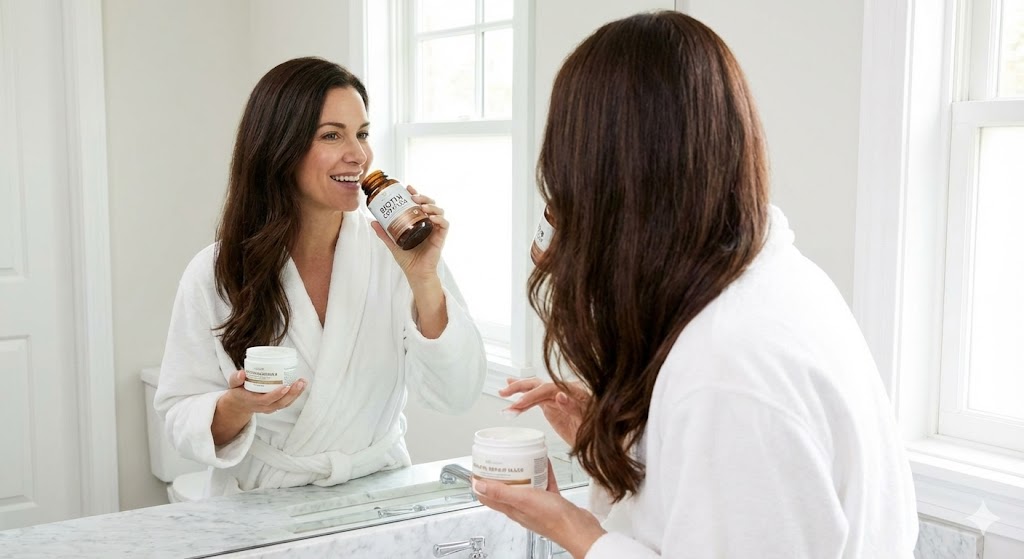
The most effective strategy is to combine the strengths of both biotin and keratin. I recommend a two-step approach: work from the inside out with supplements and from the outside in with topical treatments. This covers all your bases for maximum impact.
Take a daily supplement that includes a clinical dose of biotin along with bioavailable hydrolyzed keratin. This ensures your body has the necessary fuel (biotin) and building blocks (keratin precursors) to produce strong, healthy hair from the follicle. It is the most comprehensive internal strategy.
Then, incorporate a weekly topical keratin treatment, such as a hair mask or leave-in conditioner, into your routine. This will help repair existing damage, reduce breakage, and improve the overall look and feel of your hair while the new growth comes in. This combination provides both immediate cosmetic benefits and long-term structural support.
Safety & Precautions
1. Consult Your Doctor First
Before starting any new supplement regimen, it is always best to consult with your healthcare provider. They can help you determine if a supplement is right for you and check for any potential interactions with medications you may be taking.
Safety Note: This is especially important if you are pregnant or nursing.
2. Watch Out for Lab Interference
High doses of biotin can interfere with certain lab tests, including those for thyroid function and heart attacks. Always inform your doctor and lab technician if you are taking a biotin supplement to ensure accurate test results.
Safety Note: Stop taking biotin at least 72 hours before blood work.
3. Stick to Recommended Dosages
More is not always better when it comes to supplements. Taking excessively high doses of biotin or keratin is unlikely to provide additional benefits and may cause digestive upset or other side effects. Follow the dosage instructions on the product label.
Safety Note: Extremely high doses of any single nutrient can cause imbalances.
4. Check for Allergens
Some keratin supplements are derived from shellfish or other potential allergens. If you have any known allergies, be sure to read the ingredient label carefully before purchasing a product. Look for hypoallergenic or plant-based alternatives if necessary.
Safety Note: Allergic reactions can be severe, so diligence is key.
5. Be Wary of “Miracle” Claims
The supplement industry is full of products promising unrealistic results. Be skeptical of any product that claims to regrow a full head of hair overnight. Genuine hair growth takes time and a multi-faceted approach.
Safety Note: If it sounds too good to be true, it probably is.
5 Common Myths vs Facts
Myth 1: Biotin will make hair grow on unwanted parts of your body.
Fact: Biotin only supports hair growth in existing follicles. It will not cause you to suddenly grow hair in new places like your face or back.
Myth 2: Keratin treatments will straighten your hair permanently.
Fact: Salon keratin treatments provide temporary smoothing and anti-frizz benefits that last for a few months. They do not permanently alter your natural curl pattern.
Myth 3: You need megadoses of biotin for it to work.
Fact: Your body only needs a small amount of biotin daily. Excess biotin is water-soluble and will simply be excreted in your urine.
Myth 4: Topical keratin can repair split ends forever.
Fact: Topical keratin can temporarily “glue” split ends back together, improving their appearance. However, the only permanent fix for split ends is a trim.
Myth 5: Supplements are a substitute for a healthy diet.
Fact: Supplements are meant to “supplement” a balanced diet, not replace it. Whole foods should always be your primary source of nutrients.
The Bottom Line
Choosing between biotin and keratin is not an either/or proposition; they work best as a team.
Based on the research, I believe the biotin vs keratin for hair growth debate is settled by understanding their distinct roles. My take is that biotin is essential for the biological process of hair formation, while keratin is the structural result. For the most complete approach, you need both the fuel and the bricks.
The next step is to find a high-quality supplement that combines a clinically studied dose of biotin with bioavailable hydrolyzed keratin peptides. This will give you the best of both worlds for stronger, healthier hair.
Get Your FREE Ultimate Vitamin Guide!
Join the VitaminProGuide community to receive science-backed supplement reviews, nutritional insights, and absorption tips, delivered straight to your inbox.