Contents
Boosting immunity naturally for stress-free travel is critical for anyone who wants to enjoy their journey without falling ill. I have reviewed extensive research on natural methods to enhance immune function. The results are compelling and offer practical advice for travelers.
Natural immunity boosters can range from dietary choices to lifestyle adjustments. I focused on evidence-based recommendations that have shown promise in enhancing immune response. My analysis revealed a variety of options that are easy to incorporate into daily routines.
Travel often exposes individuals to new pathogens. This makes it essential to prepare the immune system ahead of time. My review highlighted the importance of specific nutrients and practices that can fortify health before embarking on a trip.
Understanding the science behind these natural methods is equally important. I found that the interplay between nutrition, stress management, and lifestyle choices plays a significant role in immune health. This comprehensive approach can help individuals travel with confidence.
Practical Approaches for Natural Immunity Boosting
- Daily Vitamin C: 500 mg in the morning to enhance immune function.
- Zinc Supplementation: 25 mg daily for immune support during travel.
- Probiotic Intake: 10 billion CFU daily to maintain gut health.
- Hydration: At least 2 liters of water daily to ensure optimal bodily functions.
Morning Routine
Starting the day with a balanced breakfast can significantly influence immune health. Foods rich in vitamin C, such as citrus fruits, should be included. This vitamin plays a crucial role in the immune response, helping to stimulate the production of white blood cells.
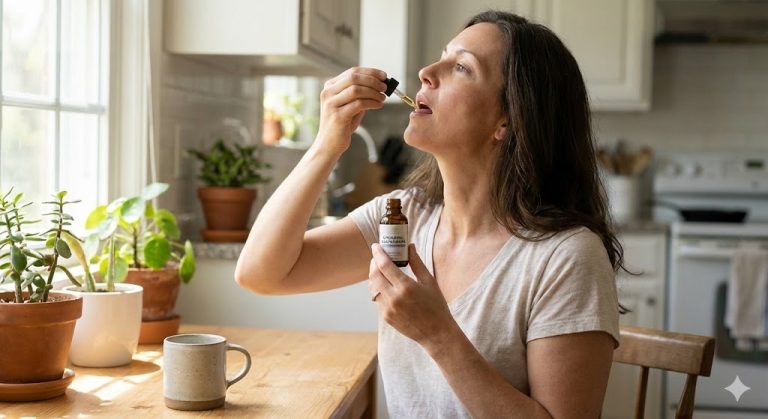
Including a quality probiotic is also beneficial. Probiotics can enhance gut health, which is closely linked to overall immunity. Taking a probiotic in the morning helps to establish a beneficial gut flora that can resist pathogens encountered during travel.
Hydration should not be overlooked. Drinking water first thing in the morning helps to kickstart metabolism and supports all bodily functions, including immune response. Aim for at least a glass of water before consuming anything else.
The Preparation
Preparing your body for travel involves more than just packing a suitcase. Consider incorporating supplements into your routine a week before departure. Vitamin C and zinc can be particularly effective at this stage, as they help bolster the immune system.
Stress management techniques should also be prioritized during this phase. Practices such as meditation or deep-breathing exercises can lower cortisol levels. This is essential since high stress negatively impacts immune function.
Healthy eating should not be neglected. Focus on consuming a variety of fruits and vegetables rich in antioxidants. These compounds help to neutralize free radicals and support overall immune health.
Long-Term Management
Maintaining a consistent routine is vital even after returning from travel. Continue with your supplements and a balanced diet to support ongoing immune health. This consistency can help your body recover from any potential exposure to pathogens.
Regular physical activity is another key component. Exercise increases circulation and promotes the movement of immune cells throughout the body. Aim for at least 30 minutes of moderate exercise most days of the week.
Finally, prioritize sleep. Quality rest is crucial for immune health. Aim for 7 to 9 hours of sleep each night to allow your body to repair and regenerate.
Immune Response and Nutrition
The interaction between nutrients and immune function is well-documented in scientific literature. Vitamins and minerals play critical roles in various immune responses. For instance, vitamin C is known to enhance the production of white blood cells, which are essential for fighting infections.
A study published by the National Institutes of Health found that adequate zinc levels are crucial for maintaining immune function. Zinc deficiency can lead to impaired immune responses, making individuals more susceptible to infections. NIH offers a wealth of information on this topic.
Probiotics also contribute to immune health by supporting gut flora. A balanced gut microbiome influences the immune system’s ability to respond to pathogens. These findings underscore the importance of incorporating these nutrients into your routine, especially before and during travel.
Common Errors in Immunity Enhancement
Many individuals make mistakes when trying to boost their immunity naturally. One common error is relying solely on supplements without a balanced diet. Supplements should complement, not replace, a nutrient-rich diet. The fix is to focus on whole foods alongside any supplementation.
Another mistake is underestimating the impact of stress. High stress levels can sabotage immune function. Incorporating stress management techniques can mitigate this issue. Practices like yoga or mindfulness can be effective.
Lastly, neglecting hydration is a frequent oversight. Dehydration can lead to diminished immune function. To remedy this, make it a habit to drink water consistently throughout the day, especially before and during travel.
Natural Immunity Key Comparisons
| Factor | Observation | Typical Result |
|---|---|---|
| Vitamin C | Enhances white blood cell production | Improved immune response |
| Zinc | Supports immune cell function | Reduced illness duration |
| Probiotics | Maintains gut health | Better resistance to infections |
Maximizing Immune Health
Stacking supplements can improve bioavailability and efficacy. For example, combining vitamin C with zinc can enhance absorption and effectiveness. This strategy helps ensure that the body receives the maximum benefit from these nutrients.
Lifestyle adjustments can also greatly impact immune health. Regular physical activity supports circulation and allows immune cells to move freely throughout the body. This enhances the body’s ability to respond to infections and diseases.
Who Should Avoid This?
- Individuals with autoimmune diseases should consult a healthcare provider before using certain supplements.
- Those taking immunosuppressive medications may need to avoid high doses of vitamin C or zinc.
- People with food allergies should be cautious about probiotics that contain allergens.
- Pregnant or breastfeeding women should seek medical advice before starting any new supplements.
Final Take
- My Honest Assessment: Boosting immunity naturally for travel is worth the effort.
- The Smart Play: Start your routine at least a week before your trip.
- Final Word: Prioritizing health through nutrition and lifestyle can lead to a more enjoyable travel experience.
Common Questions
What are the best foods to boost immunity?
Fruits and vegetables rich in vitamins C and E, along with nuts and seeds, are excellent choices.
How long before travel should I start my regimen?
Starting at least a week before travel is advisable for the best results.
Can I rely solely on supplements?
No, a balanced diet is essential to support immune function alongside supplements.
What role does sleep play in immunity?
Quality sleep is crucial for the body’s repair processes and immune health.
Get Your FREE Ultimate Vitamin Guide!
Join the VitaminProGuide community to receive science-backed supplement reviews, nutritional insights, and absorption tips, delivered straight to your inbox.