Physical Address
304 North Cardinal St.
Dorchester Center, MA 02124
Physical Address
304 North Cardinal St.
Dorchester Center, MA 02124
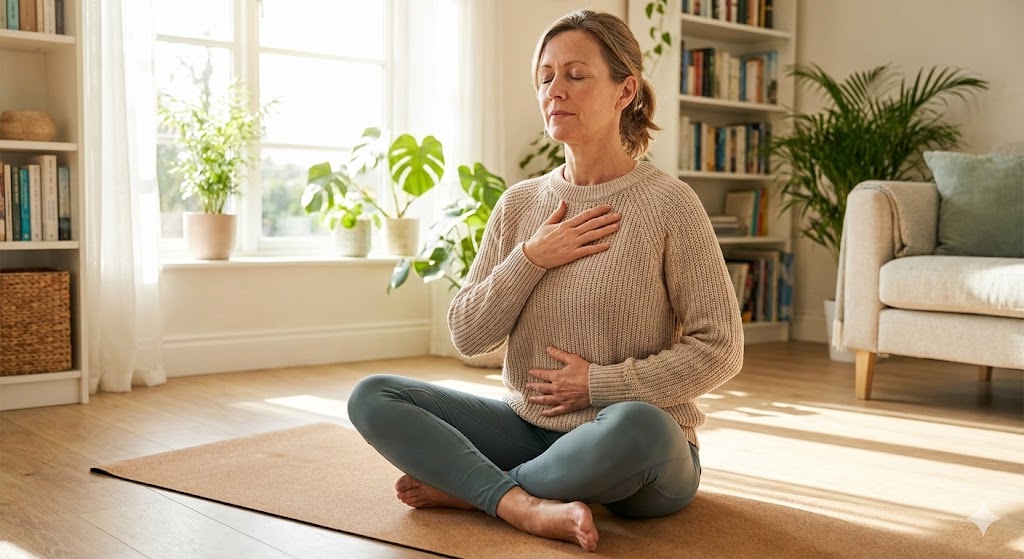
Practicing physiological sigh breathing benefits the nervous system by helping to regulate the body’s immediate response to stress. This specific pattern of respiration involves two distinct inhalations followed by a long, extended exhalation, which serves as a mechanical reset for the lungs and the autonomic nervous system.
When individuals encounter high-pressure situations, the body often shifts into a state of heightened alertness. This shift is characterized by rapid, shallow breathing that can inadvertently signal to the brain that the environment is unsafe, further perpetuating feelings of tension or mental fatigue.
This breathing technique functions by physically inflating the alveoli in the lungs, which allows for more efficient carbon dioxide offloading. By intentionally lengthening the exhale, the body can shift toward a state of parasympathetic dominance, which is often associated with a sense of internal stability and improved focus.
Physiological sigh breathing benefits the body by utilizing simple mechanical lung expansion to influence the autonomic nervous system’s state of arousal.
The human respiratory system is intimately linked to the autonomic nervous system, acting as a bridge between conscious control and involuntary physiological processes. When the body experiences stress, the sympathetic nervous system triggers a cascade of events, including increased heart rate and shallower breathing patterns, which can limit the efficiency of gas exchange within the lungs.
Research into respiratory physiology suggests that the way we breathe directly influences the brain’s emotional centers. By altering the rhythm and depth of each breath, individuals may be able to modulate their internal state, moving away from a reactive posture toward one of greater composure and metabolic efficiency.
The primary benefit of this breathing pattern is the physical expansion of the alveoli, the tiny air sacs in the lungs that often collapse slightly during periods of shallow, stress-induced breathing. By taking a second, shorter inhale on top of the first, the lungs are forced to open more fully, which facilitates a more effective exchange of oxygen and carbon dioxide.
This process is particularly useful when you feel mentally scattered or overwhelmed by a heavy workload. The mechanical expansion of the lungs sends a signal to the brain that the immediate environment is stable, which can help clear the “brain fog” that often accompanies high-stress states.
When the lungs are fully inflated, the subsequent long exhale acts as a natural brake on the heart rate. This parasympathetic activation helps to lower the internal noise of the nervous system, allowing for a more grounded and clear-headed approach to the tasks at hand.
Different breathing techniques serve distinct purposes in a wellness protocol. While some methods focus on increasing energy, others are designed specifically for calming the nervous system.
| Technique | Primary Goal | Physiological Effect |
|---|---|---|
| Physiological Sigh | Stress reduction | Vagal tone modulation |
| Box Breathing | Focus and stability | Autonomic balance |
The vagus nerve is a critical component of the parasympathetic nervous system, acting as a primary communication pathway between the brain and the internal organs. It plays a significant role in regulating heart rate, digestion, and the body’s overall response to environmental stressors.
Clinical literature indicates that stimulating the vagus nerve can lead to a reduction in systemic tension. Because the lungs are positioned in close proximity to the vagus nerve, the physical act of deep, controlled breathing can provide a form of mechanical stimulation that encourages the body to transition into a state of rest and recovery.
By incorporating this breathing method into your daily routine, you are essentially training your body to recover more quickly from minor stressors. This vagal stimulation acts like a reset button, preventing the accumulation of tension that often builds up throughout a busy day.
Many individuals find that practicing this technique during transitions—such as between meetings or before a challenging task—helps maintain a steady level of performance. The calming effect is not just subjective; it is a measurable shift in how the body manages its internal resources under pressure.
Consistent practice may support a more resilient nervous system over time. By regularly engaging these pathways, you provide your body with a reliable tool to manage the physiological load of modern life, leading to a more balanced and sustainable approach to daily challenges.
Efficient oxygenation is essential for cellular function and energy production. When breathing is shallow, the body may not be utilizing its full lung capacity, which can lead to a subtle but persistent feeling of fatigue or reduced cognitive stamina.
According to educational research on human performance, the way we manage our breath can influence our metabolic output. By ensuring that the lungs are properly ventilated, we support the body’s ability to maintain homeostasis even when external demands are high.
When you perform a physiological sigh, you are maximizing the surface area available for gas exchange. This enhanced oxygenation ensures that your tissues receive the necessary support to function optimally, which can translate into a noticeable improvement in your overall energy levels.
This is particularly beneficial for those who spend long hours in sedentary positions, where breathing often becomes shallow and restricted. The diaphragmatic engagement required for this technique helps to counteract the physical compression of the chest cavity, allowing for deeper, more restorative breaths.
By prioritizing this type of breathing, you are supporting your body’s metabolic health from the inside out. It is a simple, low-cost intervention that helps ensure your cells have the oxygen they need to perform their daily tasks without unnecessary strain.
Most individuals can perform this technique, though those with pre-existing respiratory conditions should seek individualized guidance from a qualified clinician before starting any new breathing protocol.
There is no fixed requirement, but many people find that using it during moments of acute stress or as a periodic reset throughout the day is sufficient to notice a difference.
This technique is intended as a complementary tool for nervous system regulation and should be used alongside other healthy lifestyle habits like adequate sleep, nutrition, and movement.
Physiological sigh breathing serves as a practical, evidence-based method to modulate the nervous system and improve gas exchange through simple, mechanical lung expansion. By utilizing a double-inhale and extended-exhale pattern, individuals can effectively signal the body to shift toward a state of greater calm and focus.
This information is for educational purposes only and does not constitute medical advice, diagnosis, or treatment. If you are pregnant, breastfeeding, managing a medical condition, or taking medication, please consult with a qualified clinician before implementing new wellness protocols.
To begin, try incorporating two or three cycles of this breathing pattern during your next transition between tasks to observe how your body responds to the shift in respiratory rhythm.
Get Your FREE Ultimate Vitamin Guide!
Join the VitaminProGuide community to receive science-backed supplement reviews, nutritional insights, and absorption tips, delivered straight to your inbox.
Vitaminproguide.com is reader-supported. When you buy through links on our site, we may earn an affiliate commission at no extra cost to you. As an Amazon Associate, we earn from qualifying purchases. Read our full disclosure.