Physical Address
304 North Cardinal St.
Dorchester Center, MA 02124
Physical Address
304 North Cardinal St.
Dorchester Center, MA 02124
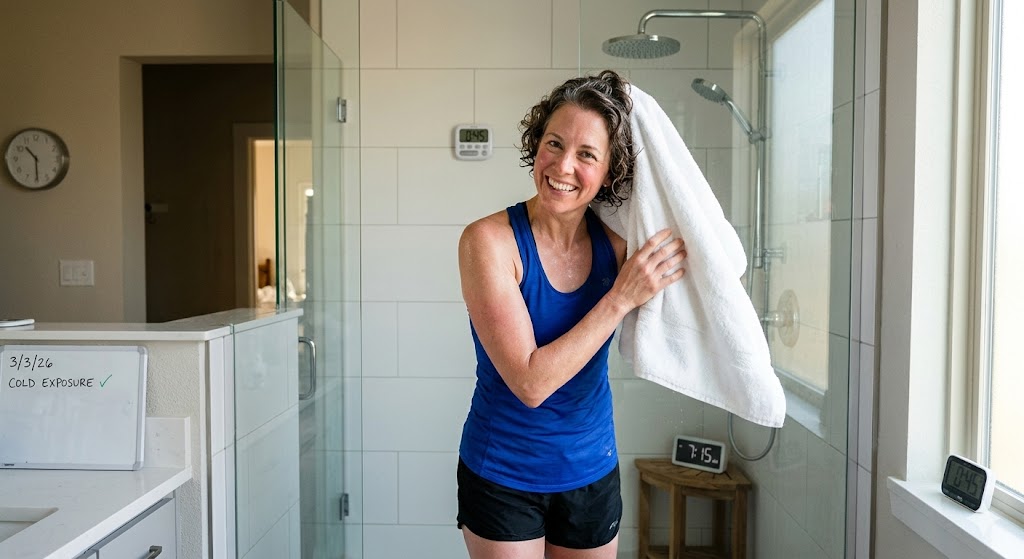
Integrating brief, controlled cold exposure for brain health can trigger significant physiological shifts. By intentionally lowering body temperature, individuals often report improved mental clarity and a more resilient stress response.
When the skin encounters cold temperatures, the body initiates a rapid, systemic reaction to maintain core warmth. This process involves the activation of the sympathetic nervous system, which releases norepinephrine, a neurotransmitter that plays a critical role in focus, attention, and mood regulation.
Cold exposure improves brain health by stimulating the release of norepinephrine and cold shock proteins, which enhance synaptic plasticity and reduce neuroinflammation. Most individuals achieve these benefits through 11 to 15 minutes of total cold water immersion per week, spread across multiple sessions to avoid excessive physiological strain.
When the body senses a drop in ambient temperature, it shifts its metabolic priority toward heat production. This requires the activation of brown adipose tissue, a specialized type of fat that burns glucose and lipids to generate heat. This metabolic shift is not merely a physical task; it demands a high level of neurological coordination.
The brain must process sensory input from the skin and adjust autonomic functions accordingly. This constant feedback loop strengthens the connection between the brain and the peripheral nervous system. As the body adapts to these stressors, the brain becomes more efficient at managing internal states, which translates into a calmer demeanor during high-pressure situations.
Active Compound: norepinephrine
Mechanism of Action: activation of the sympathetic nervous system and upregulation of cold shock proteins
Best Used For: improving focus, enhancing mood, and building psychological resilience
Beyond the immediate rush of adrenaline, cold exposure influences the long-term architecture of the brain. Research indicates that cold stress triggers the production of cold shock proteins, such as RBM3. These proteins are known to protect neurons from damage and support the repair of synaptic connections.
Think of this process as a cellular “reset” button. By exposing the brain to a controlled, temporary stressor, you encourage the production of protective molecules that might otherwise remain dormant. This can lead to a noticeable improvement in memory retention and the ability to learn new skills, as the brain becomes more receptive to structural changes.
Many individuals struggle with mid-afternoon mental fatigue, often reaching for caffeine to bridge the gap. Cold exposure offers a non-pharmacological alternative to sharpen the mind. By stimulating the release of catecholamines, the brain enters a state of heightened vigilance without the jittery side effects associated with excessive stimulants.
This practice is particularly effective for those who spend long hours in sedentary environments. A quick, cold stimulus acts as a sensory wake-up call, resetting the circadian rhythm and signaling to the brain that it is time to be alert. It is a practical tool for maintaining productivity throughout the day.
| Metric | Cold Water Immersion | Cold Air Exposure |
|---|---|---|
| Heat Transfer Rate | High (conductive) | Low (convective) |
| Norepinephrine Response | Rapid and intense | Gradual and sustained |
| Accessibility | Requires tub/ice | Requires cold climate/chamber |
Starting a cold exposure protocol requires a conservative approach. The goal is to provide enough stimulus to trigger a physiological response without inducing hypothermia or excessive shivering. For beginners, ending a morning shower with 30 seconds of cold water is often sufficient to initiate the benefits.
As the body adapts, the duration can be increased gradually. It is essential to listen to the body’s signals; if the shivering becomes uncontrollable or the skin turns pale or blue, it is time to warm up. Consistency is more important than intensity, as the body learns to regulate its temperature more effectively over time.
For those interested in the deeper science of how temperature affects human physiology, the National Institutes of Health provides extensive data on the metabolic impact of cold-induced thermogenesis. Always ensure that you are in a safe environment when practicing these techniques, and avoid cold water immersion if you have underlying cardiovascular concerns.
Most research suggests that 11 to 15 minutes per week, divided into 2 to 4 sessions, is sufficient to trigger the release of norepinephrine and support cognitive health.
While ice baths provide a more intense stimulus due to higher thermal conductivity, cold showers are a safe and effective entry point for most individuals to experience similar, albeit milder, physiological benefits.
Morning exposure is generally recommended, as the cold stimulus helps increase alertness and can help regulate the circadian rhythm by signaling the start of the active phase of the day.
Cold exposure acts as a potent hormetic stressor, triggering the release of neurotransmitters and protective proteins that support long-term brain health and cognitive resilience. By engaging the body’s natural thermoregulatory systems, individuals can improve their focus and mood through simple, consistent practices.
This information is for educational purposes only and does not constitute medical advice. Individuals with pre-existing health conditions, particularly cardiovascular or respiratory issues, should consult with a qualified professional before beginning any new wellness protocol involving extreme temperatures.
To begin, try incorporating a 30-second cold finish to your daily shower, gradually increasing the duration as your comfort level improves over the coming weeks.
Get Your FREE Ultimate Vitamin Guide!
Join the VitaminProGuide community to receive science-backed supplement reviews, nutritional insights, and absorption tips, delivered straight to your inbox.
Vitaminproguide.com is reader-supported. When you buy through links on our site, we may earn an affiliate commission at no extra cost to you. As an Amazon Associate, we earn from qualifying purchases. Read our full disclosure.