Physical Address
304 North Cardinal St.
Dorchester Center, MA 02124
Physical Address
304 North Cardinal St.
Dorchester Center, MA 02124
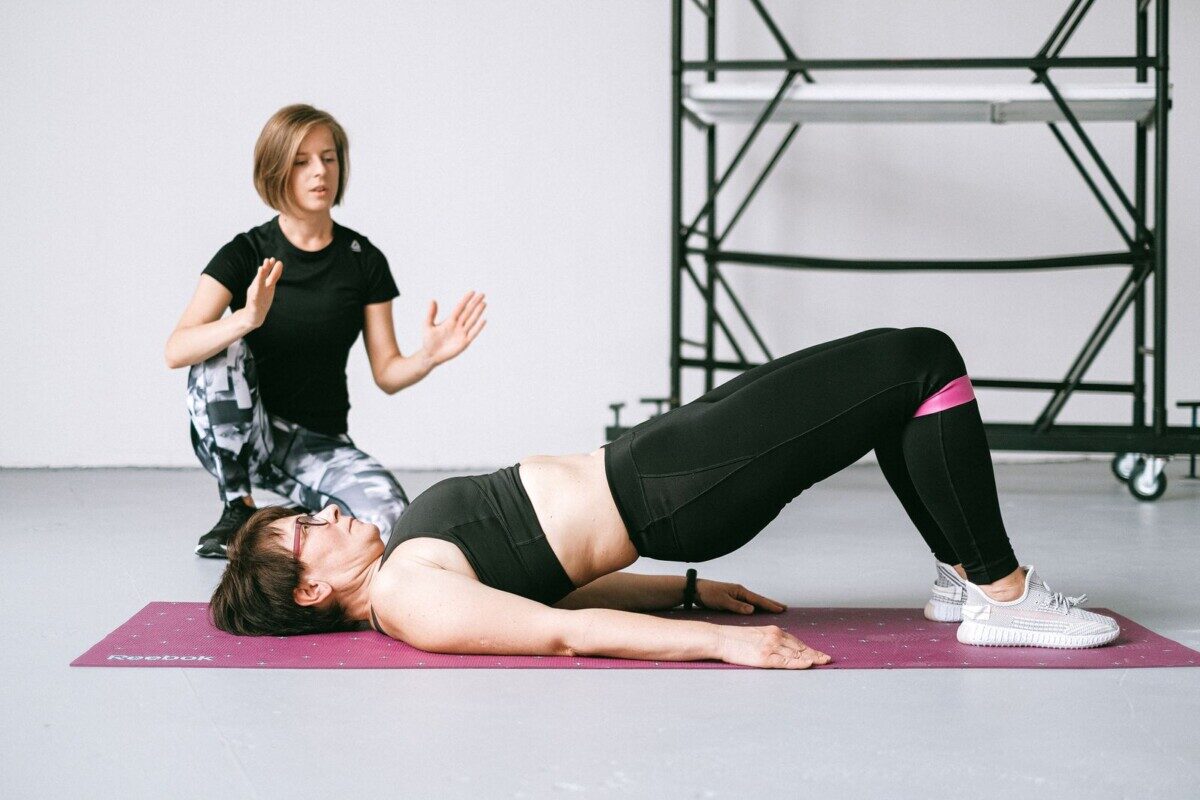
When considering pelvic health interventions, the choice between Kegels vs pelvic floor physical therapy often surfaces as a primary point of confusion for many individuals. These two approaches operate on different physiological principles despite sharing a similar anatomical target. Choosing the right path requires distinguishing between general muscular contraction and targeted neuromuscular coordination.
Pelvic floor health involves a complex interplay of skeletal muscle, connective tissue, and nerve signaling. Kegels function as a singular exercise intervention, while physical therapy encompasses a comprehensive assessment of the entire lumbopelvic region. Distinguishing these methodologies is essential for establishing an effective personal health strategy.
Kegels represent a self-directed exercise focused on isolated muscle activation, whereas pelvic floor physical therapy is a clinical evaluation of your specific movement patterns and muscle tone. The former serves as a general maintenance tool, while the latter addresses individual mechanical dysfunction through expert guidance. Selecting between them depends on whether a person needs routine strengthening or a specific diagnostic approach to address functional limitations.
The pelvic floor is a layer of muscles acting as a supportive floor for the internal organs, including the bladder and bowels. These muscles must possess both endurance and the ability to relax fully. Effective function occurs when the neuromuscular system coordinates contraction and release without constant tension. Poor coordination often leads to a feeling of fatigue in the region, which is why isolated training may fail to solve the underlying problem.
When these muscles are chronically tight, they lose their ability to contract forcefully. Muscles in a state of constant, low-level contraction cannot provide the elastic recoil necessary for support. Many people assume weakness is the sole cause of symptoms, but overactivity is equally common. This nuance explains why some individuals report that generic exercises actually make their daily discomfort more pronounced.
Biomechanical stability requires the pelvic floor to work in tandem with the diaphragm and the deep abdominal muscles. This unit functions like a pressurized canister where pressure must be managed dynamically during movement. If the pelvic floor cannot yield under pressure, the force is directed elsewhere, causing strain on surrounding joints. This synergy is rarely achieved through isolated, repetitive exercises alone.
Using Thorne Magnesium Bisglycinate can provide support for general muscular relaxation throughout the body. By maintaining adequate systemic magnesium levels, individuals can facilitate more efficient muscle release. This allows for better structural balance, as seen in data provided by the National Institutes of Health on muscular physiology.
Professional physical therapy begins with an internal and external examination to determine the actual state of the muscle tissue. A trained professional assesses resting tone, strength, endurance, and the ability to integrate pelvic movement with respiration. This objective data prevents the common mistake of training an already tight muscle to be even tighter, which would only exacerbate existing symptoms.
Without a proper assessment, performing repetitive contractions can result in repetitive strain. This is a common pitfall when individuals attempt to fix complex pelvic issues using internet-based protocols. A professional assessment identifies the specific muscle groups that are under-active versus those that are over-active, ensuring that the intervention matches the actual biological need of the tissues involved.
The integration of breathwork and postural alignment is central to a professional approach. When you learn to synchronize pelvic floor movement with your natural breathing pattern, you allow the muscles to function as they were intended. This connection reduces the burden on the pelvic floor by distributing pressure more effectively throughout the core. You achieve this rhythm as you coordinate muscle engagement with the exhalation phase of your breath.
Supplementing with Nutricost L-Arginine may assist in maintaining vascular efficiency. Adequate blood flow is a requirement for the metabolic demands of muscle tissue during periods of high-intensity recovery. As described in studies from the Centers for Disease Control and Prevention, circulatory health is a vital component of total body physical capacity.
It is helpful to view the differences between generalized training and clinical support through objective criteria. The following table contrasts how these approaches handle common physical stressors. While generalized exercises focus on output, clinical therapy focuses on the quality and coordination of that output.
| Metric | Generalized Exercise | Clinical Therapy |
|---|---|---|
| Assessment | None | Comprehensive internal/external |
| Targeting | Global engagement | Specific, muscle-group isolation |
| Flexibility | Rigid repetition | Dynamic, customized adjustment |
| Safety | Moderate (if not hypertonic) | High (symptom-specific) |
When you utilize Nordic Naturals Omega-3, you provide the body with essential fatty acids that support cellular membranes. Healthy membranes facilitate better signaling between the nervous system and the pelvic muscles. This foundational nutrition helps maintain tissue health, ensuring that when you do perform strengthening exercises, the muscles have the capacity to respond appropriately to the stress applied during movement.
The pelvic floor behaves like any other skeletal muscle group regarding load and recovery. It requires progressive overload to increase strength, but it also requires adequate rest to prevent degradation. Many individuals fall into the trap of doing too many daily repetitions, which can lead to metabolic fatigue and decreased performance. Fatigue within these small, endurance-based muscles often translates into a diminished ability to maintain support during movement.
Understanding the difference between endurance and power is essential here. The pelvic floor is composed predominantly of slow-twitch fibers that are designed for sustained support throughout the day. Rapid, short-duration contractions, while useful for testing, do not mimic the function the muscles perform during normal daily activities. Therefore, professional therapy emphasizes endurance and long-term stability over explosive power.
Recovery is often the most neglected aspect of pelvic health. If you are training, you must provide the materials necessary for repair. This includes adequate protein and hydration. Without these inputs, the muscles cannot rebuild the fibers damaged during exercise. Proper nutrition allows the body to maintain structural integrity, which you observe as a reduction in day-to-day fatigue after physical activity.
No, it is not always safe. If your pelvic floor muscles are already in a state of high tension or hypertonicity, performing these exercises can cause increased discomfort and further tighten the area.
You should consider a professional evaluation if you experience persistent discomfort, difficulty with bladder control, or if standard exercises have not resulted in any noticeable change in your symptoms after several weeks of consistent effort.
Yes, diet plays a role. Maintaining adequate hydration and consuming enough electrolytes like magnesium and potassium helps ensure that your muscles maintain proper signaling and function, which supports any physical exercise you perform.
Choosing between simple exercises and comprehensive clinical support depends on your unique physiological state. While isolated contractions provide a baseline for some, they lack the diagnostic nuance required to address persistent weakness or dysfunction. A professional assessment remains the gold standard for creating a plan that actually aligns with your body’s specific mechanical needs.
This information is intended for educational purposes only and does not constitute medical advice, diagnosis, or recommendation. Always consult with a qualified health professional regarding any symptoms or persistent physical concerns before starting a new regimen. Your individual health profile requires a clinical evaluation to ensure safety and efficacy.
To move forward effectively, seek out a local professional who specializes in pelvic health to perform an initial assessment. Once you have a clear picture of your muscle tone and coordination, you can confidently implement a routine that supports your long-term comfort and stability.
Get Your FREE Ultimate Vitamin Guide!
Join the VitaminProGuide community to receive science-backed supplement reviews, nutritional insights, and absorption tips, delivered straight to your inbox.
Vitaminproguide.com is reader-supported. When you buy through links on our site, we may earn an affiliate commission at no extra cost to you. As an Amazon Associate, we earn from qualifying purchases. Read our full disclosure.