Physical Address
304 North Cardinal St.
Dorchester Center, MA 02124
Physical Address
304 North Cardinal St.
Dorchester Center, MA 02124
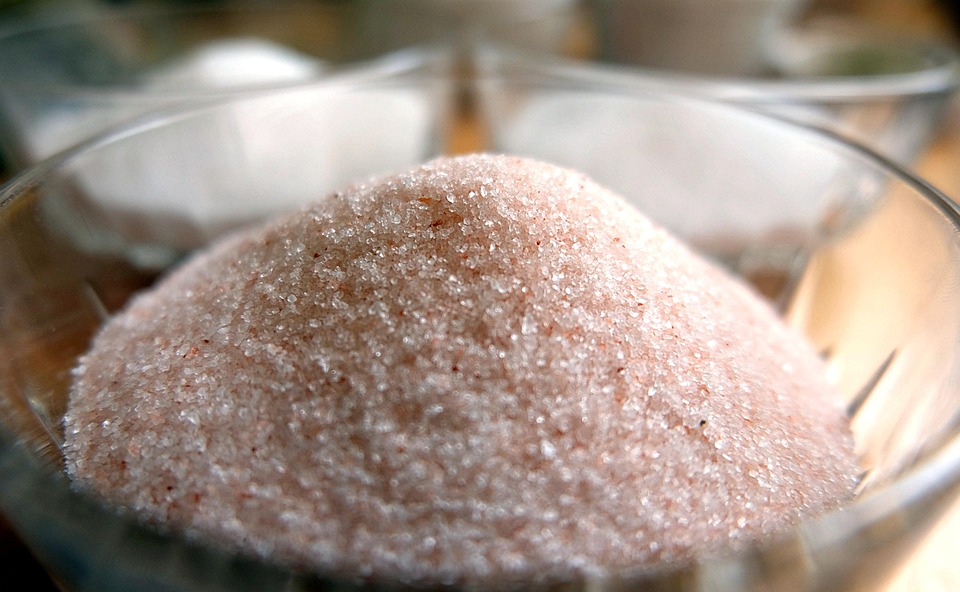
When I prepare for a relaxing evening, the debate between Epsom salt vs magnesium flakes for soaking frequently surfaces as a common point of confusion. Both provide a way to introduce magnesium to the body, yet their chemical compositions create distinct experiences in the bathtub. Understanding these differences helps in selecting the right mineral profile for specific relaxation goals.
The primary distinction lies in the molecular structure of the minerals themselves. Epsom salt is chemically known as magnesium sulfate, a combination of magnesium, sulfur, and oxygen. Magnesium flakes, conversely, consist of magnesium chloride, a salt derived from seawater that is highly soluble and known for its high concentration of elemental magnesium.
Most individuals choose between these two based on mineral solubility and personal sensitivity to sulfur. Magnesium chloride flakes generally dissolve more efficiently in warm water, while Epsom salt is a cost-effective, time-tested staple for those seeking a traditional, gentle soak.
The fundamental difference between these two soaking agents is the mineral attached to the magnesium atom. In Epsom salt, magnesium is bonded with sulfate. This specific compound has been utilized for generations as a way to support skin health and promote relaxation after physical exertion. Because of the sulfate content, it may be particularly helpful for individuals looking to support certain enzymatic reactions that require sulfur.
Magnesium flakes utilize magnesium chloride. This form is often cited for its high degree of bioavailability, meaning the body potentially processes it with greater ease. Unlike sulfate-based salts, chloride-based minerals are highly hygroscopic, which means they naturally draw moisture from the air. This property makes them feel slightly oily or damp to the touch, a characteristic that often translates into a softer, less drying feeling on the skin during a long soak.
I find that many people rotate between these options depending on the season or their specific skin needs. If the skin feels tight or dry, the chloride form is often a welcome change. Conversely, when I want a traditional, muscle-focused soak after a long day, I lean toward the sulfate-based Epsom salt.
The skin acts as a protective barrier, yet it remains somewhat permeable to certain mineral ions. When dissolved in water, these salts dissociate into their ionic components. The warm water encourages pores to remain open, which facilitates the migration of these ions through the skin layers. Because magnesium is a crucial mineral for over three hundred biochemical reactions, as noted by the National Institutes of Health, maintaining adequate levels supports overall physiological function.
Because the concentration gradient is higher in the bathtub than in the skin cells, the magnesium moves toward the area of lower concentration. This physical process allows the mineral to bypass the digestive tract entirely. It is a helpful alternative for those who find that oral supplements, such as capsules or tablets, occasionally lead to digestive discomfort.
I often suggest that individuals pay close attention to the duration of the soak. Staying in the water for at least twenty minutes allows enough time for the concentration gradient to facilitate effective movement of these minerals. It is a simple, effective method to help the body settle into a resting state.
Solubility is a major factor when deciding on a soak. Magnesium chloride flakes dissolve almost instantly in water, creating a solution that is clear and odorless. This rapid dissolution is beneficial for those who prefer to keep their bathroom routine streamlined. If the flakes are of high quality, they will vanish into the water without leaving any gritty residue at the bottom of the tub.
Epsom salt, while also quite soluble, may take a few moments longer to fully disappear, especially in larger quantities. It is a familiar, crystalline structure that most people recognize immediately. For individuals who prefer adding essential oils or dried botanicals to their soak, the neutral nature of Epsom salt makes it a perfect, non-interfering base.
When selecting a product, I recommend looking for purity markers on the packaging. Whether it is sulfate or chloride, the goal is a product free from synthetic fragrances or added dyes. The purity of the mineral, not the brand name, determines how the skin reacts during the experience. Consistency remains the key to maintaining the physical relaxation these soaks provide.
Beyond the simple act of relaxation, these mineral soaks play a supporting role in the body’s management of daily stress. Magnesium is intimately involved in the regulation of the nervous system. By creating an environment where the body can rest, the internal signaling of the nervous system shifts toward a parasympathetic state, the so-called rest-and-digest mode, which helps reduce the physical tension built up during the day.
Furthermore, sulfur, which is present in Epsom salt, is a building block for various proteins and amino acids within the body. It supports the synthesis of glutathione, an essential antioxidant, as documented by clinical research from the National Library of Medicine. Providing the body with adequate sulfur through external means may assist in maintaining healthy cellular integrity.
The combination of warmth and mineral delivery serves as a dual-action tool for physical well-being. It is important to remember that these methods are most effective when paired with a balanced approach to hydration and nutrition. Relying solely on external mineral sources is not a substitute for dietary intake, but rather a useful addition to a wellness routine.
Yes, mixing the two is perfectly safe and allows for a combination of both sulfate and chloride benefits. Many people enjoy the specific mineral profile created by blending these two distinct sources.
Most individuals find that twenty to thirty minutes is sufficient to allow for comfortable, effective mineral interaction with the skin. Staying in the tub too long can sometimes lead to skin dehydration, so moderation is recommended.
Individuals with open wounds, severely broken skin, or specific dermatological conditions should consult a healthcare provider first. The high mineral content can occasionally cause stinging on irritated or compromised skin surfaces.
Choosing between these two mineral forms comes down to a matter of individual skin sensitivity and the desired mineral profile. While magnesium sulfate offers the addition of sulfur for internal support, magnesium chloride provides a highly soluble and often gentler experience on the skin surface. Both serve as effective tools for promoting physical recovery and mental relaxation.
These mineral soaks are intended for topical use only and should not be ingested unless directed by a qualified professional. Those with significant pre-existing skin conditions or chronic health concerns ought to review the use of these ingredients with a healthcare provider to ensure they align with personal wellness needs.
Individuals interested in incorporating these salts into a routine should source high-quality, additive-free products and consult a healthcare provider before beginning any new wellness protocol.
Get Your FREE Ultimate Vitamin Guide!
Join the VitaminProGuide community to receive science-backed supplement reviews, nutritional insights, and absorption tips, delivered straight to your inbox.
Vitaminproguide.com is reader-supported. When you buy through links on our site, we may earn an affiliate commission at no extra cost to you. As an Amazon Associate, we earn from qualifying purchases. Read our full disclosure.