Physical Address
304 North Cardinal St.
Dorchester Center, MA 02124
Physical Address
304 North Cardinal St.
Dorchester Center, MA 02124
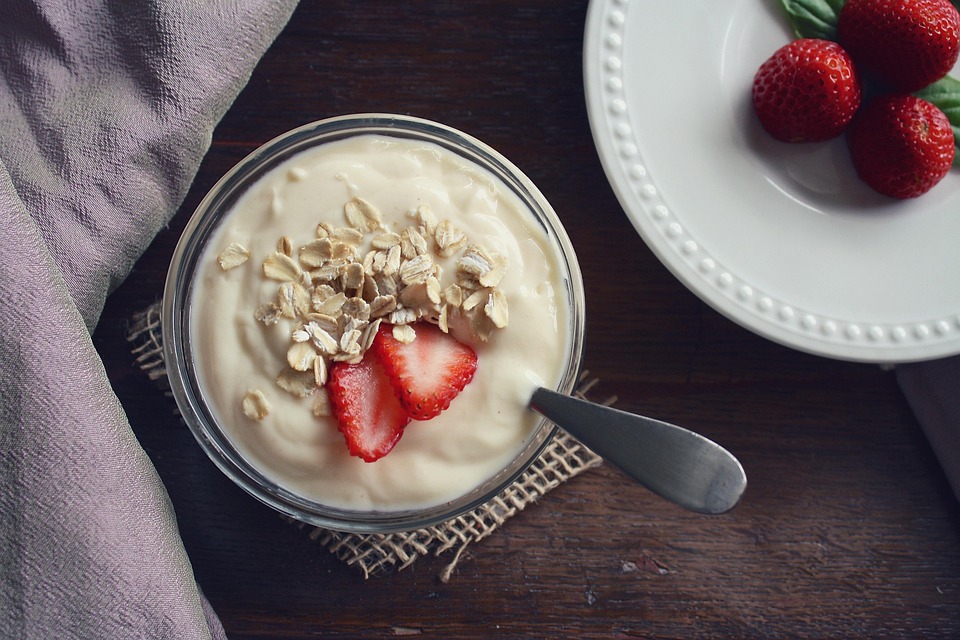
The connection between dietary patterns and cutaneous inflammation is a common focus for researchers examining how specific macronutrients influence sebaceous gland activity. When looking at why does dairy cause cystic acne, the primary focus lies on hormonal signaling pathways and their interaction with the skin. Many individuals notice a correlation between the consumption of milk-based products and the development of deep, painful lesions that differ significantly from standard surface breakouts.
This physiological reaction is not merely a matter of food sensitivities, but a reflection of how bovine hormones and growth factors interact with human cellular receptors. Dairy acts as a potent stimulator of specific biological cascades that increase sebum production and follicular hyperkeratinization. These processes combine to create an environment where inflammation can thrive within the dermal layers.
In short, dairy triggers the release of insulin-like growth factor 1, which signals the skin to produce more oil and encourages the clogging of pores. This hormonal surge effectively turns up the volume on cellular activity, leading to the painful, deep-seated swelling identified as cystic acne. By limiting intake, some people experience a decrease in the severity of these deep inflammatory responses.
The consumption of dairy, particularly skim or low-fat varieties, often correlates with a rise in serum insulin and insulin-like growth factor 1 (IGF-1). When these levels climb, the body experiences a ripple effect that reaches the sebaceous glands located deep within the hair follicles. This hormonal environment instructs the skin to increase the viscosity and volume of its natural oils, known as sebum.
As these oils become thicker, they do not flow to the surface as effectively as they should. This creates a physical blockage within the pore, essentially trapping bacteria and cellular debris beneath the skin surface. You feel this change as a hard, tender lump that refuses to come to a head, which is the hallmark of the cystic classification.
The role of IGF-1 is particularly significant because it acts as a molecular messenger that governs cell growth and division. By binding to receptors on the sebaceous glands, IGF-1 pushes these cells into a hyperactive state. This activity leads to the rapid shedding of skin cells inside the follicle, which creates a perfect plug when combined with excess oil. You manage the physical sensation of these breakouts by addressing the systemic hormonal baseline rather than just the surface inflammation.
The intersection of digestion and skin health is profound, especially when considering how gut-derived inflammation impacts the dermis. Dairy contains components that can shift the gut microbiome, potentially leading to increased intestinal permeability. When this happens, molecules that are typically contained within the digestive tract may trigger a broader immune response, which the body often manifests as systemic inflammation.
This systemic stress frequently shows up in the skin as redness, swelling, and deep, painful cysts. The National Institutes of Health recognizes that diet-induced inflammatory responses can alter the skin barrier function. By managing the quality of your intake, you support a more stable internal environment that does not lean toward chronic irritation.
To support a balanced inflammatory response, many individuals turn to specific supplements that promote skin integrity. Incorporating Nordic Naturals Omega-3 is a common strategy to provide essential fatty acids that modulate cellular signaling. You obtain the benefit of reduced systemic sensitivity by providing the body with the lipids necessary for maintaining healthy cell membranes.
Understanding how different nutrients affect the skin requires looking at how they influence systemic inflammation and hormone regulation. While dairy is often cited as a trigger, other factors like overall nutrient density play a part in how the skin handles environmental and dietary stressors.
| Nutrient Form | Primary Action on Skin | Metabolic Outcome |
|---|---|---|
| omega-3 fatty acids | modulates systemic inflammatory pathways | lower systemic cytokine production |
| vitamin D3 | supports innate immune function in follicles | improved cellular differentiation |
To ensure adequate intake of essential vitamins that support skin health, many people incorporate Thorne Vitamin D3 into their daily routine. This helps the immune system maintain a balanced response to potential irritants. You see the result of this support in more resilient skin that can better handle external and internal stressors.
Another common approach involves using Life Extension Zinc Capsules to support healthy cell division. Zinc is a critical trace element that acts as a cofactor for many enzymes involved in skin repair. When the body has adequate zinc, the process of shedding dead skin cells becomes more efficient, reducing the likelihood of follicular blockages.
Not all dairy products affect the skin in the same way, which complicates the search for clear answers. Whey and casein, the two primary proteins in milk, are often implicated in the stimulation of IGF-1. Some studies suggest that the processing methods involved in creating low-fat dairy may increase the insulinemic potential compared to whole-fat alternatives.
For those who find that dairy triggers their skin, the removal process usually involves observing the response over several weeks. Because the skin cells cycle on a specific schedule, immediate results are rare. You gain clarity by maintaining a consistent diet without dairy to determine if the frequency and severity of the cysts change over time.
This observation process is helpful for mapping out personal triggers. If you notice a shift in your skin after removing these items, it provides a clearer picture of your internal landscape. Always ensure that the removal of a food group does not lead to nutritional deficiencies by substituting with dense, plant-based alternatives that offer similar micronutrient profiles.
Not necessarily. Lactose intolerance is a digestive issue related to enzyme deficiency, whereas the acne link is primarily driven by hormonal and growth factor signaling. You can have no digestive symptoms and still experience skin reactions due to the hormonal components in milk.
Skin cells take time to regenerate, and the systemic effects of hormonal fluctuations do not dissipate overnight. Many people report noticeable changes after sticking to a dairy-free approach for a few months as the skin naturally completes its turnover cycles.
Plant-based alternatives generally do not contain the specific bovine growth factors that stimulate IGF-1 production in the human body. However, you should check labels for added sugars or artificial thickeners, as high-glycemic sweeteners can also influence insulin levels and potentially impact skin health.
Dairy consumption is linked to the development of cystic acne through hormonal pathways, specifically the stimulation of IGF-1 and insulin, which increase oil production and pore congestion. By recognizing these triggers, you can make informed choices about your diet to better support your skin’s natural balance and health.
This information is for educational purposes and should not be considered a substitute for professional medical advice or diagnosis. Always consult with a qualified healthcare provider regarding persistent or severe skin conditions, as they can provide personalized guidance tailored to your specific health history.
A practical next step is to document your current diet and note any changes in your skin health while avoiding dairy products for several weeks. This simple trial provides the objective evidence you need to understand how your body specifically responds to these food categories.
Get Your FREE Ultimate Vitamin Guide!
Join the VitaminProGuide community to receive science-backed supplement reviews, nutritional insights, and absorption tips, delivered straight to your inbox.
Vitaminproguide.com is reader-supported. When you buy through links on our site, we may earn an affiliate commission at no extra cost to you. As an Amazon Associate, we earn from qualifying purchases. Read our full disclosure.