Physical Address
304 North Cardinal St.
Dorchester Center, MA 02124
Physical Address
304 North Cardinal St.
Dorchester Center, MA 02124
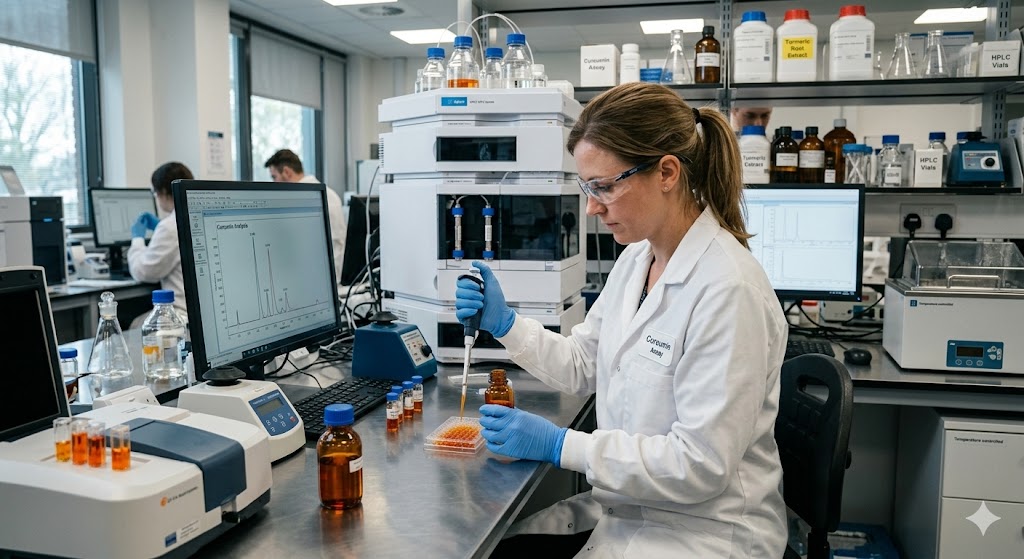
When evaluating curcumin C3 complex vs tetrahydrocurcumin stability, researchers often look at how these compounds behave within the human body. Curcuminoids are naturally occurring pigments found in turmeric, but their chemical structure makes them prone to rapid breakdown when exposed to the digestive environment. Understanding these differences is essential for anyone looking to support their wellness goals through informed choices.
The primary challenge with standard turmeric extracts is their limited half-life. Once ingested, the body works quickly to modify these molecules, often rendering them inactive before they can reach systemic circulation. This metabolic speed is a significant hurdle for those seeking to maintain consistent levels of these compounds in their daily routines.
The core difference lies in their chemical saturation. While the standard complex relies on a mixture of three primary curcuminoids, the tetrahydro version has been chemically reduced to a more stable, colorless form. This structural change allows it to bypass certain rapid degradation pathways, potentially offering a different profile of interaction within the body.
Analyzing the chemical architecture of curcumin C3 complex vs tetrahydrocurcumin stability reveals why some forms persist longer in the bloodstream than others.
The standard curcuminoid complex is highly sensitive to the alkaline environment of the small intestine. In this setting, the molecules undergo rapid transformation, which limits their availability for absorption. This process is a natural part of how the body manages foreign compounds, but it creates a significant barrier for those hoping to utilize these substances for long-term wellness.
In contrast, the reduced form of this compound possesses a different molecular geometry that is less susceptible to these specific breakdown reactions. By removing the double bonds that make the original molecule unstable, the resulting metabolite can remain intact for longer periods. This structural shift is the primary reason why researchers often compare the two when discussing sustained presence in the body.
When a compound remains stable for a longer duration, it may provide more consistent support for your cellular health throughout the day. Instead of experiencing a sharp spike and rapid decline, a more stable form can potentially offer a smoother, more sustained interaction with your body’s internal systems.
This sustained presence is particularly helpful for individuals who find that standard turmeric supplements do not provide the lasting metabolic support they are looking for. By choosing a form that resists early degradation, you are essentially giving your body more time to interact with the compound before it is processed and eliminated.
Think of it like a slow-release energy source versus a quick burst of fuel. While both have their place, the ability to maintain a steady state of bioactive support is often preferred for long-term wellness protocols, as it reduces the need for frequent intake throughout the day.
The journey from ingestion to systemic circulation is complex, involving various enzymes in the liver and gut. Most curcuminoids are quickly conjugated, meaning the body attaches other molecules to them to make them easier to excrete. This rapid conjugation is the main reason why the bioavailability of standard turmeric is often considered low.
Tetrahydrocurcumin bypasses some of these initial conjugation steps because it is already in a reduced state. This allows it to enter the bloodstream more efficiently and remain in a biologically active form for a longer duration. Research into these pathways helps clarify why different forms of the same plant-based compound can have such distinct effects on the body.
For many people, the goal is to maintain a steady level of antioxidant protection without needing to take multiple servings. When you use a form that has a longer half-life, you are effectively smoothing out the peaks and valleys of your intake, which can lead to a more predictable experience.
This consistency is a major advantage for those who are sensitive to the fluctuations that occur with less stable supplements. By ensuring that the active metabolites remain in your system for an extended period, you may find that you need less overall volume to achieve the same level of support for your daily activities.
Ultimately, this translates to a more efficient wellness routine where you are not constantly trying to “catch up” to the rapid breakdown of the compounds you are consuming. It allows for a more balanced approach to supporting your body’s natural defenses against environmental stressors.
Bioavailability is not just about how much you take, but how much actually reaches your tissues. While standard complexes are often paired with other ingredients like piperine to improve absorption, the reduced form of curcumin has inherent properties that may enhance its cellular uptake without the need for additional boosters.
This distinction is important when evaluating the cost-to-benefit ratio of different products. If one form is more stable and better absorbed, it may provide more value even if the initial price point is higher. Understanding these metrics allows for a more data-driven approach to selecting the right tools for your specific needs.
| Feature | Curcumin C3 Complex | Tetrahydrocurcumin |
|---|---|---|
| Chemical Stability | Moderate | High |
| Metabolic Rate | Rapid | Slower |
| Primary Benefit | Broad-spectrum support | Sustained activity |
When you look at these metrics, it becomes clear that the stability profile of a supplement directly impacts how you feel. A more stable compound means your body is not working overtime to process and eliminate it, which can lead to a more comfortable and predictable experience for your digestive system.
Many individuals report that they prefer the feeling of a sustained-release approach because it avoids the “crash” that can sometimes follow a rapid influx of nutrients. By focusing on bioavailability, you are prioritizing the quality of your intake over the quantity, which is a hallmark of a sophisticated wellness strategy.
This shift in perspective can help you feel more in control of your health journey. Instead of guessing what works, you can rely on the clinical literature to guide your choices toward forms that are scientifically designed to last longer and work more effectively within your unique physiology.
While supplements can be useful, they should always be viewed as a secondary layer to a solid foundation of whole foods. Turmeric root, when consumed with healthy fats like olive oil or avocado, can provide a natural, albeit less concentrated, source of these beneficial compounds. This synergistic approach ensures you are getting a wide array of phytonutrients that work together.
Lifestyle factors such as regular movement and adequate sleep also play a critical role in how your body processes these compounds. A well-rested and active body is generally more efficient at metabolic regulation, which can enhance the effectiveness of any wellness protocol you choose to follow. According to resources from Cornell University, dietary patterns are the most significant factor in long-term health outcomes.
Integrating these compounds into your life should feel like a natural extension of your existing habits. By focusing on whole-food sources first, you provide your body with the necessary co-factors that help with the absorption and utilization of all nutrients, not just curcuminoids.
When you do choose to add a supplement, think of it as a targeted tool for a specific goal rather than a replacement for a healthy diet. This mindful integration helps you avoid the common trap of relying too heavily on pills while neglecting the foundational habits that truly drive long-term vitality.
Ultimately, the best approach is one that you can maintain consistently over time. Whether you choose a standard complex or a more stable metabolite, the most important factor is how it fits into your daily rhythm and supports your overall sense of well-being.
Tetrahydrocurcumin is generally considered to have better stability and bioavailability, which may allow it to reach target tissues more effectively, though “speed” is less relevant than the duration of its activity in the body.
Eating turmeric root provides a wide range of beneficial compounds, but the concentration of specific curcuminoids is much lower than in standardized extracts, making it a better choice for general nutrition rather than targeted support.
Curcuminoids are fat-soluble, meaning they are generally better absorbed when consumed alongside a source of healthy dietary fat, regardless of the specific form you choose.
The choice between these two forms depends on whether you prioritize the broad-spectrum profile of a standard complex or the enhanced stability and sustained activity of the reduced metabolite. Both options offer unique advantages for supporting your body’s natural processes, provided they are used as part of a balanced wellness strategy.
This information is for educational purposes only and does not constitute medical advice. Please consult with a qualified clinician before starting any new supplement, especially if you are pregnant, breastfeeding, managing a health condition, or taking prescription medications.
To determine which form best suits your needs, consider tracking your daily energy levels and digestive comfort for two weeks while using one form, then compare those observations against your baseline.
Get Your FREE Ultimate Vitamin Guide!
Join the VitaminProGuide community to receive science-backed supplement reviews, nutritional insights, and absorption tips, delivered straight to your inbox.
Vitaminproguide.com is reader-supported. When you buy through links on our site, we may earn an affiliate commission at no extra cost to you. As an Amazon Associate, we earn from qualifying purchases. Read our full disclosure.