- Safety: Yogurt is generally a safe food source but watch out for high sugar content in fortified flavored varieties.
- Effectiveness: It is only effective as a Vitamin D source if the manufacturer has explicitly added it during processing.
- Key Benefit: When fortified it provides a good combination of calcium and Vitamin D which works synergistically for bone health.
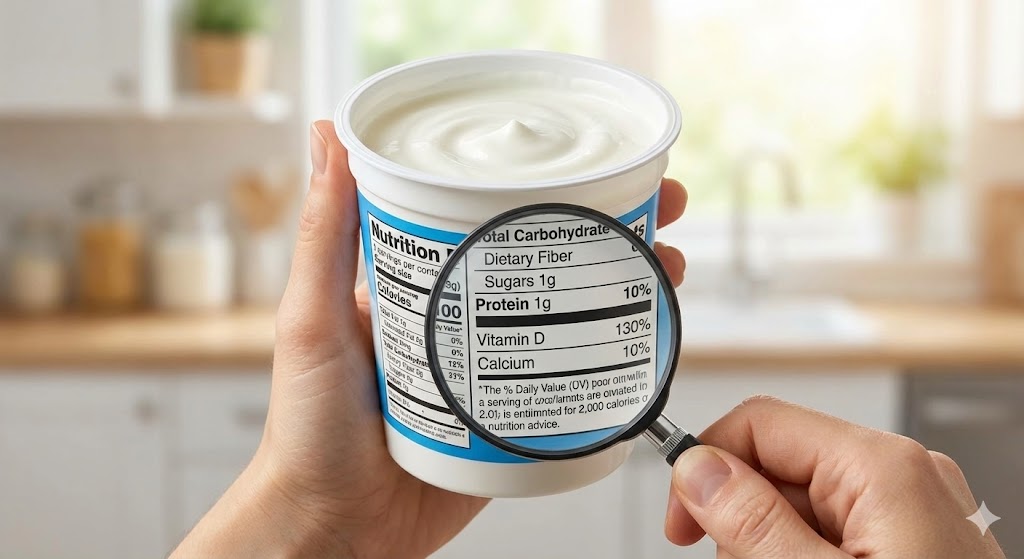
You are standing in the refrigerated aisle scanning nutrition labels and wondering does yogurt have vitamin d naturally. It is a very common question given that milk is almost always fortified with this essential nutrient. It seems logical to assume yogurt would be too.
I dug into the nutritional data to find the truth because assumptions in nutrition can lead to deficiencies. The answer is not a simple yes or no. Natural plain yogurt made without fortification contains almost zero Vitamin D.
According to the National Institutes of Health very few foods naturally contain significant amounts of Vitamin D. That means your morning yogurt is likely an empty vessel for this specific vitamin unless you choose carefully. You have to become a label detective to know for sure.
Let us look at why there is so much confusion and how to ensure you are actually getting what you need. Here is the evidence on dairy and fortification.
What the Research Says About Dairy Fortification
My research indicates that the Vitamin D content in dairy products is almost always the result of human intervention. Cows do not naturally pass significant amounts of the “sunshine vitamin” into their milk. While fluid milk is often required by law to be fortified those same rules do not always apply to yogurt production.
This creates a massive gap between different brands on the shelf. Some yogurts contain absolutely none while others might provide 15 percent or more of your daily requirement per serving. You have to look at the actual ingredient list to see if Vitamin D3 has been added.
The fat content in yogurt also plays a role in how well you utilize the nutrient. Vitamin D is fat-soluble meaning it needs dietary fat present to be absorbed efficiently by your gut.
| Feature | Fortified Yogurt (1 Cup) | Plain Natural Yogurt (1 Cup) |
|---|---|---|
| Vitamin D Content | 80 to 120 IU on average | Negligible to zero |
| Source | Added synthetic Vitamin D3 | None |
| Absorption Factor | Good if contains fat | N/A |
Effective Ways to Ensure Adequate Intake
1. Read the Nutrition Facts Panel
This is the only reliable way to know if a product contains Vitamin D. Do not rely on marketing claims on the front of the box. Flip it over and look at the actual percentage daily value listed on the back.
2. Choose Full-Fat Versions
Since this vitamin requires fat for optimal absorption choosing a whole milk yogurt is a smart strategy. The natural fats present in the dairy will help transport the nutrient into your bloodstream. Non-fat versions may reduce bioavailability.
3. Look for “Fortified” on the Label
While you still need to check the numbers the word “fortified” is a good initial indicator. Brands that go through the trouble of adding vitamins usually want to advertise it. It is a quick way to narrow down your options.
4. Consider Plant-Based Alternatives
Interestingly many dairy-free yogurts made from almonds or soy are more consistently fortified than dairy ones. Manufacturers know their customers are looking for these nutrients. Always check these labels as they can be surprising good sources.
5. Combine with Other Sources
Even the best fortified yogurt is unlikely to meet 100 percent of your daily needs. View it as a “top-up” rather than your primary source. Pair it with eggs or fatty fish to reach your daily targets.
6. Don’t Assume Greek is Better
Greek yogurt is strained to increase protein but this process does not concentrate vitamins. In fact some Greek yogurts have less calcium than regular yogurt. Fortification levels vary just as much here.
7. Get Tested
The only way to know if your current diet is working is to get a blood test. Ask your doctor to check your 25-hydroxy vitamin D levels. This data will tell you if food sources are enough or if you need stronger intervention.
Best Time & Dosage for Maximum Results
The timing of when you eat your yogurt matters less than what you eat it with. Because Vitamin D is fat-soluble consuming it alongside other healthy fats is ideal for maximizing absorption. Eating your yogurt as part of a breakfast that includes eggs is a great strategy.
I found that consistency is more important than the exact time of day. Try to include fortified food sources in your routine daily. This ensures a steady supply of the nutrient.
Keep in mind that a typical serving of fortified yogurt only provides a fraction of the 600 to 800 IU recommended for most adults. You would likely need to eat multiple cups a day to meet your basic needs through yogurt alone. It is a supplementary source.
Safety & Precautions
1. Watch for Added Sugars
Many brands that fortify their yogurt also load it with sugars to improve the taste. Excess sugar can cause inflammation and negate many health benefits. Always aim for plain versions and sweeten them yourself with fruit.
Safety Note: High sugar intake is linked to metabolic dysfunction.
2. Be Aware of Total Calcium Intake
Yogurt is rich in calcium which is great but you don’t want to overdo it especially if you take supplements. Excessive calcium intake can increase the risk of kidney stones in some people. Balance your sources carefully.
Safety Note: More calcium is not always better for everyone.
3. Check the Source of Vitamin D
Most fortified dairy uses Vitamin D3 derived from lanolin which comes from sheep’s wool. If you follow a strict vegan diet you need to verify the source. Some brands use plant-based D2 or lichen-sourced D3 instead.
Safety Note: Lanolin-based D3 is not suitable for vegans.
4. Monitor for Dairy Sensitivities
If you are lactose intolerant or sensitive to casein yogurt can cause significant digestive distress. Chronic inflammation from food sensitivities can impair nutrient absorption overall. Stick to lactose-free or plant-based options if this applies to you.
Safety Note: Ignoring gut symptoms can lead to nutrient deficiencies.
5. Storage Temperature Matters
Dairy products must be kept refrigerated to prevent spoilage and bacterial growth. While the vitamins themselves are relatively stable bad yogurt can make you sick. Always check expiration dates.
Safety Note: Consuming spoiled dairy can cause severe food poisoning.
5 Common Myths vs Facts
Myth 1: All dairy products contain Vitamin D naturally.
Fact: Very few foods have it naturally and dairy is only a source if it has been fortified during processing.
Myth 2: Greek yogurt has more vitamins than regular yogurt.
Fact: Greek yogurt has more protein due to straining but often has similar or lower vitamin levels unless added back in.
Myth 3: Eating yogurt daily is enough to prevent deficiency.
Fact: Most fortified yogurts provide only a small percentage of daily needs making it difficult to rely on solely.
Myth 4: Low-fat yogurt is the healthiest choice for vitamin absorption.
Fact: Vitamin D requires fat for absorption so fat-free versions may actually reduce how much your body utilizes.
Myth 5: Usually sunshine provides all the Vitamin D you need.
Fact: Modern indoor lifestyles and sunscreen use mean most people do not get nearly enough from the sun alone.
The Bottom Line
Yogurt is only a reliable source of Vitamin D if you diligently check the label for fortification.
Based on the research I believe that while fortified yogurt is a convenient way to boost your intake it is rarely sufficient on its own. My take is that if you are serious about optimizing your levels you should view yogurt as a minor contributor rather than a primary solution. The variation between brands is too high to trust blindly.
Your next step should be to inspect the yogurt currently in your fridge. If it does not provide at least 15 percent of your daily value consider it a calcium source only and look elsewhere for your Vitamin D.
Get Your FREE Ultimate Vitamin Guide!
Join the VitaminProGuide community to receive science-backed supplement reviews, nutritional insights, and absorption tips, delivered straight to your inbox.