Contents
Exploring sleep tourism destinations has become an essential focus for those seeking restorative experiences. My review of various locations for 2026 reveals a growing trend where health and wellness intertwine with travel. I examined not only the amenities offered but also the underlying principles that make these spots conducive to improved sleep quality. Each destination provides a unique atmosphere and specific practices aimed at enhancing restfulness.
Sleep tourism emphasizes more than just a comfortable bed. It includes a holistic approach to wellness that incorporates relaxation techniques, dietary considerations, and environmental factors. The research I conducted points to the effectiveness of these destinations in promoting better sleep hygiene. This thorough investigation into sleep tourism has led me to identify several key factors that contribute to a restful getaway.
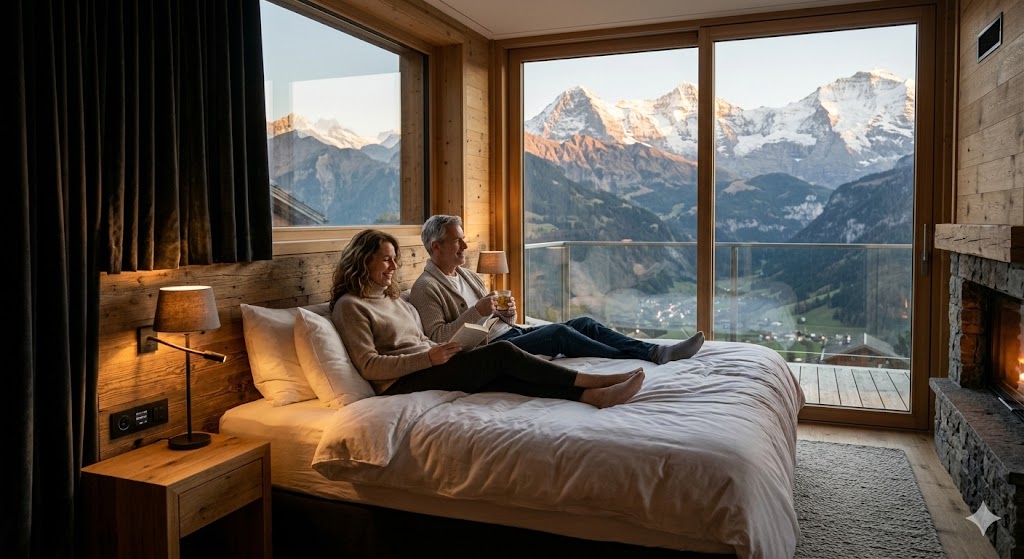
From tranquil retreats nestled in nature to luxurious wellness resorts, the options for sleep tourism are vast and varied. Each destination capitalizes on unique features that cater to the sleep-deprived traveler. My analysis suggests that these carefully curated environments can significantly enhance one’s ability to unwind and rejuvenate.
With this comprehensive guide, I aim to help readers make informed decisions about their next restorative getaway. By understanding what each destination offers and how it aligns with sleep needs, travelers can maximize their experiences and return home feeling refreshed.
Exploring Sleep Tourism
- Destination Selection: Choose locations that prioritize quiet environments and natural landscapes.
- Timing: Plan visits during off-peak seasons for a more serene experience.
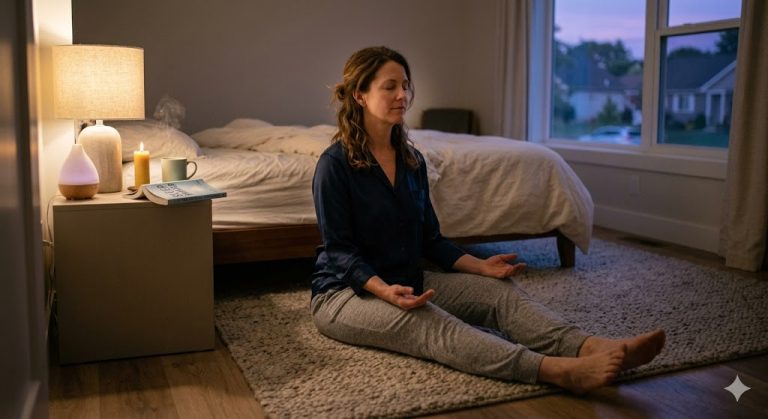
- Activities: Engage in mindfulness and relaxation practices offered at the destination.
- Dietary Considerations: Opt for meals that promote sleep, such as those rich in magnesium and tryptophan.
Morning Rituals
Morning routines at sleep tourism destinations often include gentle wake-up calls. Many locations offer natural light exposure, which helps regulate circadian rhythms. A gradual awakening process allows guests to start their day without the jarring effects of an alarm.
Breakfast options are designed to support energy levels while promoting sleep health. Nutrient-dense meals rich in whole grains, fruits, and proteins are common. The emphasis on balanced nutrition aids in maintaining stable blood sugar levels throughout the day.
Engaging in light physical activities, such as yoga or tai chi, can enhance overall well-being. These practices help to reduce stress hormones, setting a positive tone for the day ahead. By incorporating mindful movement into morning routines, guests can enhance their experience at these destinations.
The Preparation Phase
The preparation phase involves selecting the right destination based on individual needs. Researching amenities and wellness programs is crucial for a successful trip. Understanding the available resources can help maximize the benefits of the visit.
Booking accommodations that emphasize soundproofing and comfort can significantly impact sleep quality. Many resorts provide specialized bedding and blackout curtains to create an optimal sleep environment. This attention to detail ensures guests can rest undisturbed.
Planning ahead for stress-reduction activities can enhance the overall experience. This may include scheduling spa treatments or meditation sessions to unwind. Arranging such activities in advance allows for a more relaxed stay, reducing the likelihood of last-minute stressors.
Long-Term Management
Long-term management of sleep health can be supported by practices learned during the stay. Guests are encouraged to adopt routines that incorporate relaxation techniques into their daily lives. This continuity helps maintain the benefits achieved during the getaway.
Utilizing journaling or mindfulness apps can assist in integrating these practices post-trip. Keeping track of sleep patterns and emotional responses can provide insights into personal sleep needs. This ongoing assessment fosters a proactive approach to sleep health.
Regularly revisiting the principles learned during the trip can reinforce positive habits. Creating a conducive sleep environment at home may involve implementing similar strategies, such as minimizing light exposure and controlling noise levels. This creates a sustainable approach to better sleep.
Biological Impact of Sleep
The role of melatonin in regulating sleep patterns is well-documented. This hormone, produced by the pineal gland, plays a critical role in signaling the body when it is time to sleep. Factors such as light exposure can significantly influence melatonin production, impacting sleep quality.
Research underscores the importance of maintaining a consistent sleep schedule for optimal melatonin functioning. Disruptions to this schedule can lead to sleep disorders and other health issues. Adopting practices that promote natural light exposure during the day and dimming lights at night can support the body’s natural rhythms.
Studies have shown that environments designed to enhance sleep can improve overall health outcomes. A comprehensive review of sleep interventions highlights the importance of sleep hygiene and environmental factors. For more information, visit the National Institutes of Health.
Common Missteps in Sleep Tourism
Ignoring the importance of pre-trip preparation is a common mistake. Many travelers underestimate the impact of their routines leading up to the trip. Failing to adjust sleep schedules can lead to fatigue upon arrival, negating the benefits of the trip.
Over-scheduling activities can also detract from the restorative experience. Guests may feel pressured to participate in every offering, leading to exhaustion rather than relaxation. Prioritizing downtime is essential for maximizing the benefits of a sleep tourism getaway.
Neglecting dietary choices during the trip can undermine sleep quality. Opting for heavy meals or excessive caffeine can disrupt sleep patterns. Being mindful of food and drink selections helps ensure that the body is prepared for restful sleep.
Sleep Tourism Key Comparisons
| Factor | Observation | Typical Result |
|---|---|---|
| Environment | Natural settings vs urban settings | Better sleep quality in natural settings |
| Activity Level | Relaxation activities vs high-energy activities | Improved relaxation with lower activity levels |
| Diet | Sleep-promoting foods vs processed foods | Enhanced sleep quality with sleep-promoting foods |
Maximizing Sleep Results
Stacking relaxation techniques can enhance the benefits of sleep tourism. Combining practices such as meditation with gentle yoga can amplify relaxation effects. This multi-faceted approach promotes a deeper sense of calm and prepares the body for restful sleep.
Incorporating environmental adjustments at home can further improve sleep quality. Simple changes like using blackout curtains or sound machines can create a sanctuary for rest. These enhancements foster a more conducive atmosphere for achieving restorative sleep.
Who Should Avoid This?
- Individuals with severe sleep disorders should consult a healthcare provider before engaging in sleep tourism.
- People with allergies to natural environments may find certain destinations unsuitable.
- Those taking medications that affect sleep patterns should be cautious about travel plans.
- Travelers with specific dietary restrictions must research meal options in advance.
Final Take
- My Honest Assessment: Sleep tourism is worth exploring for anyone seeking better rest.
- The Smart Play: Prioritize destinations that align with personal sleep needs and preferences.
- Final Word: A well-planned sleep tourism experience can lead to lasting improvements in sleep quality.
Common Questions
What is sleep tourism?
Sleep tourism refers to travel focused on enhancing sleep quality through specific environments and practices.
How can I choose the right sleep tourism destination?
Research amenities, wellness programs, and guest reviews to find a destination that meets your sleep needs.
What activities should I expect at sleep tourism locations?
Activities often include mindfulness practices, relaxation techniques, and nutrition-focused programs.
Can sleep tourism help with sleep disorders?
While sleep tourism can improve overall sleep quality, individuals with severe disorders should consult a healthcare provider.
Get Your FREE Ultimate Vitamin Guide!
Join the VitaminProGuide community to receive science-backed supplement reviews, nutritional insights, and absorption tips, delivered straight to your inbox.