Physical Address
304 North Cardinal St.
Dorchester Center, MA 02124
Physical Address
304 North Cardinal St.
Dorchester Center, MA 02124

When individuals search for supplements for hormonal acne, they are often looking for ways to address the underlying physiological triggers of skin breakouts. These breakouts are frequently linked to fluctuations in androgen levels, which can stimulate excess sebum production and lead to clogged pores. Understanding how specific nutrients interact with these pathways is essential for managing expectations regarding skin health.
The clinical literature suggests that while certain micronutrients and botanical extracts may influence systemic balance, they do not act as a direct replacement for foundational lifestyle habits. Factors such as blood sugar stability, sleep quality, and stress management often play a more significant role in skin clarity than any single isolated compound. Relying solely on external additions without addressing these core pillars rarely yields the desired results.
Do these products actually work? The evidence is nuanced; while some compounds may support a more balanced internal environment, they are not a guaranteed solution for everyone. Success often depends on identifying specific metabolic gaps rather than applying a universal approach to skin health.
Analyzing the metabolic pathways involved in sebum regulation reveals that targeted nutritional support is most effective when paired with consistent, whole-food dietary patterns.
The skin acts as a primary organ of elimination and a reflection of systemic metabolic health. When the body experiences a deficiency in essential minerals like zinc, the ability to regulate inflammatory responses and manage oil production can be compromised. Research indicates that zinc plays a structural role in maintaining the integrity of the skin barrier and modulating the immune response to bacteria.
Tracking recent data on nutrient bioavailability reveals that the form of a mineral significantly impacts how well the body utilizes it. For instance, certain chelated forms are often better tolerated by the digestive system than inorganic salts. Ensuring adequate intake through whole foods like pumpkin seeds, legumes, and lean proteins is the primary strategy for maintaining these levels before considering concentrated forms.
When the skin barrier is compromised, it becomes more susceptible to external irritants and bacterial colonization. By ensuring the body has sufficient zinc, individuals may notice a reduction in the intensity of redness associated with breakouts. This structural support helps the skin maintain its natural defense mechanisms against environmental stressors.
The benefit of this approach is a more resilient complexion that feels less reactive to daily triggers. Instead of focusing on temporary fixes, providing the body with the building blocks for cellular repair allows the skin to function as intended. This shift from reactive management to proactive support is a cornerstone of long-term skin health.
It is important to note that excessive intake of certain minerals can interfere with the absorption of other essential nutrients, such as copper. Maintaining a balanced intake through a varied diet is the most reliable way to avoid these metabolic imbalances. When considering concentrated forms, it is wise to focus on quality and moderation to ensure the body remains in a state of equilibrium.
Botanical extracts are frequently discussed in the context of hormonal balance, particularly those that may influence androgen receptor activity. Compounds like Vitex agnus-castus are often studied for their potential to support progesterone levels, which can indirectly help balance the effects of androgens. The National Institutes of Health provides extensive resources on how various dietary components interact with human physiology.
Evaluating cellular absorption rates highlights that botanical compounds often require consistent use over several months to observe any potential shifts. Unlike pharmaceutical interventions, these natural agents work slowly to nudge the body toward a more stable state. This requires patience and a willingness to monitor how the body responds over an extended period.
For many, the primary benefit of using botanical support is the potential for a more stable mood and skin cycle throughout the month. By supporting the body’s natural endocrine rhythms, individuals may experience fewer of the sharp peaks and valleys that often precede skin flare-ups. This creates a sense of predictability in a process that often feels chaotic.
The practical advantage here is a reduction in the severity of cyclical symptoms. When the body is better equipped to handle hormonal shifts, the skin is less likely to react with excessive oil production or inflammation. This leads to a more consistent skin texture and a decrease in the frequency of unwanted breakouts.
It is essential to recognize that botanical agents can interact with other substances, including common medications. Before introducing these into a wellness protocol, it is helpful to review the potential for cross-reactivity with a qualified clinician. This ensures that the chosen approach is both safe and compatible with an individual’s unique health profile.
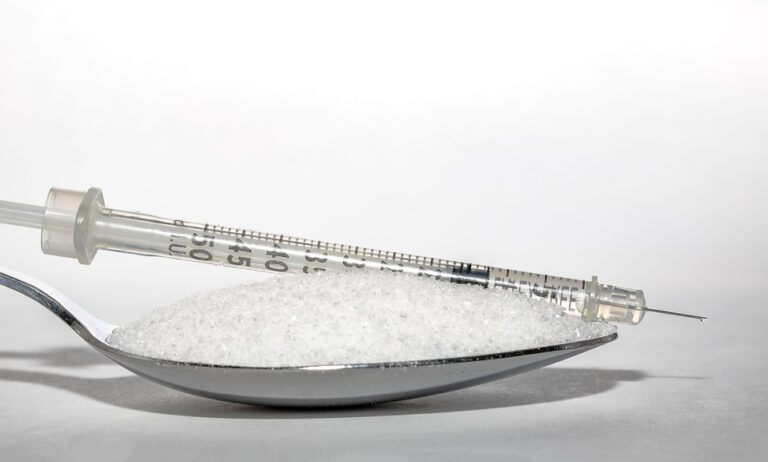
The relationship between insulin levels and skin health is well-documented in the clinical literature. High-glycemic diets can trigger spikes in insulin, which in turn may increase the production of androgens and sebum. Addressing this through dietary choices, such as prioritizing fiber-rich vegetables and healthy fats, is often more impactful than any supplement.
Research from institutions like the Harvard T.H. Chan School of Public Health emphasizes that stable blood sugar is a fundamental requirement for systemic health. When insulin levels remain steady, the body is less likely to signal the skin to produce excess oil. This foundational approach addresses the root cause rather than the symptom.
When blood sugar is managed effectively, the body experiences fewer energy crashes throughout the day. This metabolic stability translates directly to the skin, as the inflammatory signals that lead to breakouts are significantly dampened. The result is a clearer complexion that feels less oily and more balanced.
The benefit of this dietary focus is a feeling of sustained vitality. By choosing foods that provide a slow, steady release of energy, individuals can avoid the insulin spikes that often exacerbate skin issues. This is a sustainable, long-term strategy that supports overall wellness beyond just the appearance of the skin.
Incorporating complex carbohydrates and adequate protein at each meal helps to blunt the glycemic response. This simple nutritional adjustment is often the most effective tool for those struggling with persistent skin concerns. It empowers the individual to take control of their skin health through daily, actionable choices.
Choosing the right approach requires an understanding of how different interventions function within the body. While some focus on direct hormonal modulation, others prioritize systemic inflammation or nutrient repletion. The following table outlines the differences between two common strategies often used to support skin health.
| Strategy | Primary Focus | Bioavailability/Action |
|---|---|---|
| Mineral Supplementation | Structural support and enzyme regulation | High; requires specific forms for optimal absorption |
| Botanical Extracts | Endocrine system modulation | Variable; often requires long-term, consistent use |
When deciding on a strategy, it is helpful to consider the underlying cause of the skin concerns. If the issue is primarily related to nutrient deficiencies, focusing on mineral-rich foods or targeted supplementation may be the most logical starting point. This addresses the structural needs of the skin directly.
Alternatively, if the concerns are clearly linked to cyclical hormonal patterns, botanical support might offer more relevant benefits. The key is to observe how the body responds to each change. By isolating variables, individuals can determine which approach provides the most significant improvement in their skin health.
Ultimately, the most effective strategy is often a combination of foundational dietary changes and targeted support. This holistic approach ensures that all aspects of skin health—from nutrient status to hormonal balance—are addressed. It is a process of refinement that rewards consistency and careful observation.
Most nutritional and botanical interventions require at least 8 to 12 weeks of consistent use to observe potential changes, as this timeframe aligns with the skin’s natural turnover cycle and hormonal regulation patterns.
For many individuals, addressing blood sugar stability, gut health, and nutrient intake through a whole-food diet is sufficient to significantly improve skin clarity without the need for concentrated supplements.
Yes, excessive intake of certain vitamins and minerals can lead to toxicity or interfere with the absorption of other essential nutrients, which is why individualized guidance is recommended.
Addressing skin health through supplements requires a focus on the underlying metabolic and hormonal pathways rather than seeking a quick fix. Success is most often found when these additions are used to complement a nutrient-dense diet and stable lifestyle habits.
This information is for educational purposes only and does not constitute medical advice. Individuals who are pregnant, breastfeeding, managing a medical condition, or taking prescription medication should consult with a qualified clinician before starting any new supplement protocol.
To begin, track your daily dietary intake and skin patterns for one month to identify potential triggers before introducing any new supplements.
Get Your FREE Ultimate Vitamin Guide!
Join the VitaminProGuide community to receive science-backed supplement reviews, nutritional insights, and absorption tips, delivered straight to your inbox.
Vitaminproguide.com is reader-supported. When you buy through links on our site, we may earn an affiliate commission at no extra cost to you. As an Amazon Associate, we earn from qualifying purchases. Read our full disclosure.