Winter brings its own set of challenges for many women dealing with premenstrual syndrome (PMS). The cold weather can exacerbate symptoms such as bloating, mood swings, and fatigue. My review of the available data indicates that managing these symptoms effectively requires a combination of lifestyle adjustments and targeted interventions. Evidence suggests that adopting specific strategies can help alleviate discomfort during these colder months.
Understanding the physiological changes that occur during winter is essential. Shorter days and reduced sunlight can contribute to feelings of lethargy and mood disturbances. My research emphasizes the importance of maintaining a balanced diet and engaging in regular physical activity, even when the temperature drops. Ensuring adequate hydration is another critical factor often overlooked during winter.
Consideration of vitamin D levels is paramount. Sunlight exposure decreases significantly during winter, which can impact mood and overall well-being. Supplementation may be beneficial for those who experience severe PMS symptoms. My analysis of various studies highlights that maintaining optimal vitamin D levels can improve mood and reduce PMS-related discomfort.
Finally, I encourage exploring relaxation techniques such as yoga or meditation. These practices can significantly help manage stress, which often intensifies PMS symptoms. By combining these approaches, women can find relief from PMS discomfort even during the harshest winter months.
Effective Strategies for Managing PMS in Winter
- Daily Supplements: Vitamin D, 1000-2000 IU, taken in the morning.
- Function/Timeline: Heat therapy, applied during the luteal phase, can ease cramps.
- Dietary Adjustments: Omega-3 fatty acids, consumed daily, may reduce inflammation.
- Exercise: Moderate physical activity, three to four times a week, helps alleviate mood swings.
The Preparation
Preparing for PMS in winter begins with dietary adjustments. Incorporating foods rich in omega-3 fatty acids, such as salmon and walnuts, can help reduce inflammation and improve mood. A diet high in fruits and vegetables, along with whole grains, provides essential nutrients that support overall health. Staying hydrated is equally important, as dry winter air can lead to dehydration, worsening PMS symptoms.
Another crucial aspect of preparation is managing stress levels. Engaging in mindfulness practices, such as meditation or deep breathing exercises, can significantly reduce anxiety and irritability. Setting aside time for relaxation helps create a more balanced emotional state. Regularly scheduled self-care activities, even simple ones like reading or taking a warm bath, contribute positively to mental health.
Physical activity should also be part of the preparation strategy. While it may be tempting to stay indoors, regular exercise releases endorphins, which act as natural mood lifters. Aim for at least 30 minutes of moderate exercise most days of the week. Whether it is a brisk walk or yoga, finding an enjoyable activity can help maintain motivation during the colder months.
The Adjustment Phase
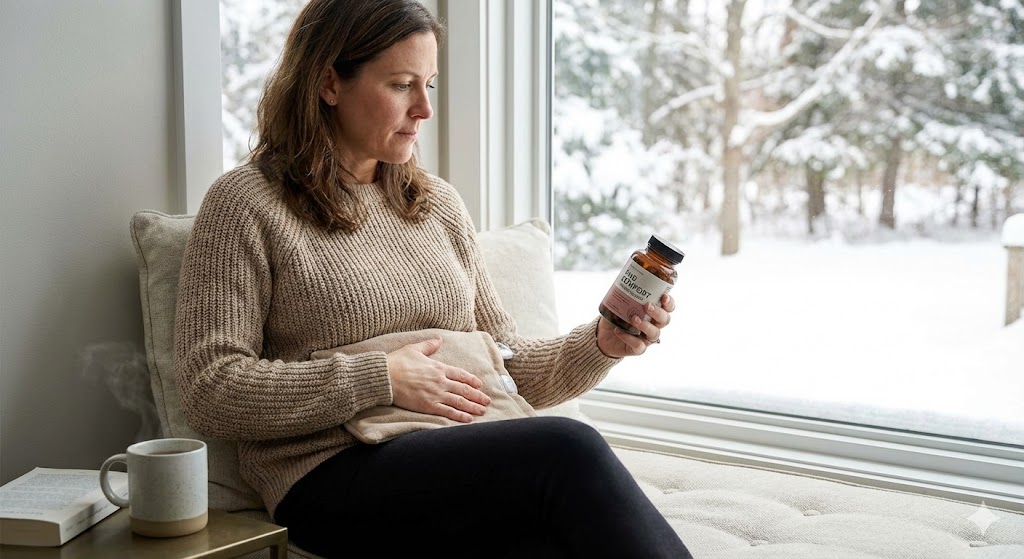
During the luteal phase, which typically occurs one to two weeks before menstruation, symptoms may intensify. This is the ideal time to implement heat therapy. Applying a heating pad or hot water bottle to the lower abdomen can relieve cramps and promote relaxation. This simple intervention can make a significant difference in comfort levels.
Incorporating supplements like vitamin D can also be beneficial during this phase. Taking 1000-2000 IU daily can help combat the effects of reduced sunlight exposure. Studies indicate that maintaining adequate vitamin D levels may alleviate mood swings associated with PMS. This is particularly relevant during winter when natural sunlight is scarce.
Keeping track of symptoms through a journal can provide valuable insights. Documenting mood changes, physical symptoms, and dietary habits helps identify patterns. This information can be useful for making necessary adjustments to your routine. Understanding how your body responds to various interventions empowers you to take control of your health.
Long-Term Management
Long-term management of PMS discomfort requires consistency in lifestyle choices. Continuing with a balanced diet and regular exercise is essential even after symptoms subside. Establishing a routine promotes overall well-being and can prevent severe symptoms in future cycles. Staying proactive is key to managing PMS effectively.
Regular consultations with a healthcare provider can also aid in long-term management. Discussing symptoms and potential treatments can lead to personalized strategies that work best for you. This collaborative approach ensures that all aspects of health are considered, including hormonal balance and nutritional needs.
Finally, consider exploring alternative therapies such as acupuncture or herbal supplements. Some studies suggest that these methods may provide relief from PMS symptoms. It is essential to research and discuss these options with a healthcare provider to determine their appropriateness for your specific situation.
Biological Influences on PMS During Winter
Hormonal fluctuations play a significant role in the severity of PMS symptoms. The balance of estrogen and progesterone affects mood and physical comfort. During winter, these hormonal changes can be exacerbated by lifestyle factors such as reduced sunlight and physical activity levels. Understanding these influences is crucial for effective management.
Research indicates that lower levels of sunlight can lead to decreased serotonin levels, which may contribute to mood disturbances. Serotonin is a neurotransmitter that regulates mood, and its deficiency can intensify PMS symptoms. Ensuring adequate exposure to light, whether through natural sunlight or light therapy, can help maintain serotonin levels.
Clinical studies have shown that women with premenstrual dysphoric disorder (PMDD) may experience more severe symptoms during winter. The combination of hormonal changes and environmental factors creates a challenging situation. For detailed insights, refer to this resource from the National Institutes of Health. Understanding this relationship highlights the importance of proactive management strategies during the winter months.
Common Errors in PMS Management
Failing to recognize dietary triggers can significantly impact PMS symptoms. Many women overlook the role of caffeine and sugar, which can exacerbate mood swings and bloating. Keeping a food diary can help identify these triggers, allowing for more informed dietary choices that can alleviate symptoms.
Neglecting hydration is another common mistake. Many women do not drink enough water during winter, leading to dehydration. This can worsen symptoms like fatigue and bloating. Aiming for at least eight glasses of water daily can help combat these issues and improve overall well-being.
Relying solely on medication without considering lifestyle changes can also hinder results. While medications can provide relief, they are often more effective when combined with healthy lifestyle choices. Integrating exercise, proper nutrition, and stress management techniques can enhance the effectiveness of any treatment plan.
PMS Key Comparisons
| Factor | Observation | Typical Result |
|---|---|---|
| Vitamin D Levels | Low sunlight exposure | Increased PMS severity |
| Physical Activity | Regular exercise | Reduced mood swings |
| Dietary Habits | High sugar intake | Exacerbated symptoms |
Stacking Strategies for Enhanced Comfort
To maximize results in managing PMS discomfort, consider stacking supplements strategically. Combining magnesium with vitamin B6 has shown promising results in alleviating cramps and mood swings. These nutrients work synergistically to support hormonal balance and improve overall comfort. Regular intake of these supplements can enhance their effectiveness.
Incorporating lifestyle adjustments is equally crucial. Engaging in regular physical activity not only boosts mood but also helps regulate hormonal fluctuations. Aim for a mix of cardio and strength training to maximize benefits. Additionally, practicing relaxation techniques can further enhance comfort levels. These adjustments create a supportive environment for managing PMS symptoms effectively.
Who Should Avoid This?
- Women with certain hormonal disorders should consult a healthcare provider before making any changes.
- Those on medications that affect hormone levels may need to avoid specific supplements.
- Individuals with allergies to specific dietary components should be cautious with new foods.
- Women experiencing severe symptoms should seek medical advice rather than self-manage.
Final Take
- My Honest Assessment: Managing PMS during winter is absolutely worth the effort.
- The Smart Play: Adopt a multi-faceted approach that includes diet, exercise, and mindfulness.
- Final Word: Taking proactive steps can significantly improve comfort and quality of life during the winter months.
Common Questions
What are the primary symptoms of PMS?
Common symptoms include mood swings, bloating, breast tenderness, and fatigue. These symptoms can vary in intensity from month to month.
How can diet affect PMS symptoms?
A diet high in sugar and caffeine can worsen symptoms. Conversely, consuming a balanced diet rich in omega-3 fatty acids and vitamins can alleviate discomfort.
Are there specific exercises that help with PMS?
Moderate aerobic exercises, such as walking or cycling, can help reduce PMS symptoms. Yoga and stretching can also provide relief from cramps.
When should I see a doctor about PMS?
If symptoms are severe or interfere with daily life, it is advisable to consult a healthcare provider for further evaluation and treatment options.
Get Your FREE Ultimate Vitamin Guide!
Join the VitaminProGuide community to receive science-backed supplement reviews, nutritional insights, and absorption tips, delivered straight to your inbox.