Physical Address
304 North Cardinal St.
Dorchester Center, MA 02124
Physical Address
304 North Cardinal St.
Dorchester Center, MA 02124
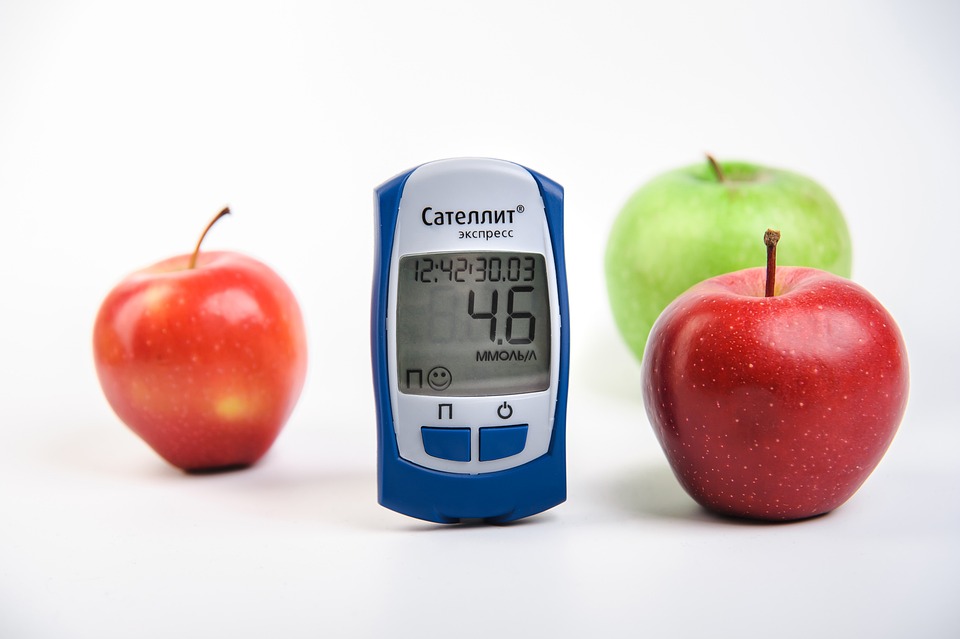
Individuals managing blood sugar fluctuations often seek dietary strategies to support metabolic resilience at the cellular level. The primary goal centers on protecting tissues from the byproducts of glucose metabolism that accumulate over time. Incorporating specific nutritional compounds can provide an auxiliary layer of defense for structural health.
Benfotiamine represents a synthetic, fat-soluble derivative of vitamin B1, often referred to as thiamine. Unlike standard thiamine, its lipid-loving structure allows for enhanced absorption through the intestinal wall and into the bloodstream. This property changes how the body accesses essential micronutrients during periods of high glucose turnover.
The benefits of benfotiamine for diabetics involve its unique ability to activate transketolase, an enzyme that redirects toxic glucose byproducts away from inflammatory pathways. By clearing these cellular markers, it helps maintain the integrity of microvascular systems, potentially easing the sensations associated with distal nerve health. It essentially acts as a molecular bridge, ensuring that energy metabolism remains efficient rather than damaging.
At the heart of the glucose management challenge lies the buildup of advanced glycation end products, commonly abbreviated as AGEs. When glucose levels remain consistently elevated, these sugar-protein structures bond together, creating a state of systemic oxidative stress. The National Institutes of Health indicates that such pathways contribute significantly to the degradation of sensitive microvasculature.
Benfotiamine intercepts this process by increasing the activity of transketolase. This enzyme shifts the metabolism of glucose intermediates into the pentose phosphate pathway. Think of this as a chemical detour that prevents a traffic jam of toxic molecules from building up within the cell. This redirection is crucial for preventing the activation of inflammatory signaling cascades, such as the NF-kB pathway, which would otherwise lead to cellular distress.
When these pathways are properly managed, the physical sensation of tingling or numbness often associated with metabolic strain can be mitigated. Individuals notice less discomfort in their extremities because the nerves are no longer subjected to the same degree of biochemical pressure. This is not about masking a problem, but rather providing the cell with the tools to clear its own waste effectively.
To support this, many choose to incorporate high-quality supplements into their regimen. Options such as Life Extension Benfotiamine are frequently utilized to ensure adequate bioavailability. By providing the body with a consistent supply of this fat-soluble nutrient, the cellular machinery remains better equipped to handle the metabolic demands of glucose fluctuations.
Choosing the right form of vitamin B1 requires an understanding of how these molecules interact with human physiology. While standard thiamine hydrochloride is water-soluble, it faces limitations in how much the body can absorb at once. This creates a ceiling for its effectiveness, especially when the goal is to reach high concentrations within nerve tissues.
Benfotiamine, on the other hand, is lipid-soluble. Because cell membranes are composed of a lipid bilayer, this fat-soluble form slips through the wall with much greater ease. This results in higher plasma concentrations and, more importantly, higher levels stored within the tissues that require it most. It is the difference between a surface-level rinse and a deep-tissue delivery system.
Another relevant nutrient for metabolic support is Thorne Methyl Guard, which supports healthy methylation pathways often taxed by metabolic strain. Combining targeted micronutrients can create a synergistic environment for cells. While benfotiamine addresses the specific byproduct pathways of glucose, other nutrients support the broader methylation cycles that regulate energy and DNA repair.
| Feature | Thiamine Hydrochloride | Benfotiamine |
|---|---|---|
| Solubility | Water-soluble | Fat-soluble |
| Bioavailability | Lower | Higher |
| Cell Penetration | Limited | Efficient |
| Target | General systemic deficiency | Tissue-specific metabolic support |
The small blood vessels, or capillaries, are often the first structures to show signs of damage when glucose levels are not well managed. High sugar levels cause the lining of these vessels, known as the endothelium, to become stiff and dysfunctional. Over time, this restricts the smooth flow of oxygen and nutrients to vital organs.
Benfotiamine helps maintain the elasticity of these endothelial cells by reducing the oxidative stress that leads to vessel hardening. When these vessels remain flexible, the circulation of blood to the hands, feet, and eyes remains unobstructed. This is the physiological basis for improved physical comfort and longevity of structural health in these vulnerable areas.
When incorporating these nutrients, consistency remains a vital factor. Many individuals find that taking their supplement with a meal containing healthy fats, like those found in Nordic Naturals Ultimate Omega, improves the absorption of the fat-soluble benfotiamine. The lipids in the fish oil help create the ideal environment for the vitamin to reach its destination in the bloodstream.
Data from the Centers for Disease Control and Prevention emphasizes that systemic inflammation is a significant risk factor for vascular decline. By curbing the biochemical signals that promote this inflammation, benfotiamine acts as a preventative measure. It preserves the integrity of the cardiovascular framework rather than simply addressing the symptoms of vessel fatigue after the fact.
Integrating new supplements into a health plan should always be done with a focus on harmony and balance. Because benfotiamine is a derivative of a common essential vitamin, it is generally well-tolerated. However, it is essential to consider the total intake of all B vitamins to ensure that metabolic pathways are not overloaded.
If one is currently managing blood glucose with clinical interventions, it is crucial to monitor how the body responds to new supplements. Sometimes, the added support can influence how effectively the body processes carbohydrates, which might necessitate a conversation with a healthcare provider regarding current intake levels. Safety is always a result of proactive coordination rather than trial and error.
Beyond just benfotiamine, consider the role of minerals in glucose metabolism. Many people benefit from pairing their routine with Pure Encapsulations Magnesium Glycinate, which supports the body’s internal energy conversion processes. Magnesium works in tandem with B vitamins to facilitate the smooth function of ATP production, ensuring that cells have the fuel they need to thrive without burning out.
Always verify the quality of the products being introduced to the body. Independent third-party testing provides assurance that the label contents match the actual composition of the capsules. Look for certifications from reputable organizations to ensure that the potency and purity are consistent with the requirements for long-term health maintenance.
No, it is a nutritional supplement meant to support metabolic processes and is not a substitute for clinical management strategies. It should be viewed as an adjunctive tool for overall nutritional health.
Metabolic changes at the cellular level occur incrementally. Most individuals find that consistent daily use over several weeks or months allows for the most significant improvements in subjective physical comfort and metabolic function.
Benfotiamine is generally considered safe for most adults when used at standard supplemental levels. As with any nutrient, individual responses vary, so it is recommended to monitor for any digestive changes when beginning a new regimen.
Benfotiamine offers a targeted approach to managing the cellular consequences of glucose metabolism by boosting the transketolase pathway and reducing the buildup of oxidative markers. By leveraging its fat-soluble structure, this compound provides direct support to nerve and vascular tissues that are typically vulnerable during periods of metabolic stress.
While this information is grounded in current biochemical literature, it is not a substitute for professional clinical advice. Every individual possesses a unique metabolic profile that necessitates personalized assessment. Always consult with a qualified health professional before modifying your regimen or beginning new supplement protocols.
Your next step should be to evaluate your current nutrient intake and identify if your metabolic health strategy lacks specific support for nerve and vascular integrity. Discuss the potential inclusion of benfotiamine with a trusted provider to determine if it is appropriate for your specific health goals.
Get Your FREE Ultimate Vitamin Guide!
Join the VitaminProGuide community to receive science-backed supplement reviews, nutritional insights, and absorption tips, delivered straight to your inbox.
Vitaminproguide.com is reader-supported. When you buy through links on our site, we may earn an affiliate commission at no extra cost to you. As an Amazon Associate, we earn from qualifying purchases. Read our full disclosure.