My review of face oils and their compatibility with gua sha reveals interesting insights. Gua sha offers a unique way to enhance facial health, and pairing it with the right oils can amplify benefits. I have analyzed various oils to determine which ones can optimize the gua sha experience. This exploration reveals not just personal preferences but also scientific backing.
Face oils provide hydration and nourishment, essential for skin elasticity and glow. However, not all oils are created equal. Non-comedogenic oils are preferable, as they do not clog pores. This ensures that the skin remains clear while benefiting from the additional moisture and nutrients. I focused my analysis on the oils that stand out for their compatibility with gua sha techniques.
My research highlights that certain oils can enhance the gliding effect of the gua sha tool. This is crucial for effective lymphatic drainage and circulation. Oils rich in antioxidants are particularly beneficial, as they can combat oxidative stress on the skin. The right choice can elevate the gua sha routine from merely functional to rejuvenating.
Ultimately, my review emphasizes the importance of selecting face oils that align with individual skin types. Whether you have oily, dry, or combination skin, there are suitable options available. The synergy between gua sha and the right oils can result in a truly revitalizing skincare experience.
Maximizing Your Gua Sha Experience
- Choose non-comedogenic oils for optimal skin health.
- Apply oil generously to facilitate smooth gliding of the gua sha tool.
- Use oils rich in antioxidants for added skin protection.
- Incorporate oils into your routine based on your skin type.
The Preparation
Before starting your gua sha routine, cleansing the face is vital. A clean canvas ensures that the oils penetrate effectively. This phase sets the stage for better absorption and maximizes the benefits of the oils. Use a gentle cleanser that suits your skin type.
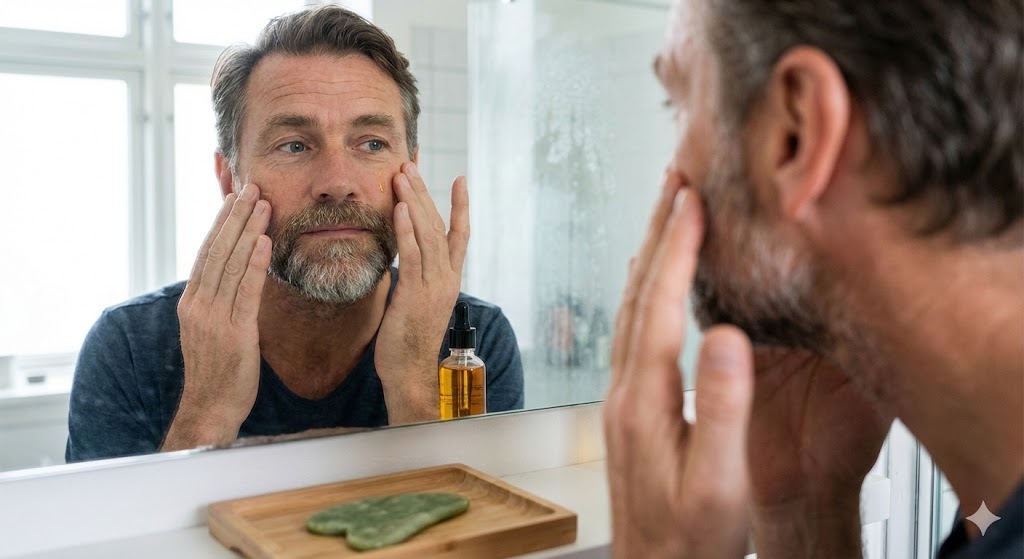
Next, apply a generous amount of your chosen face oil. This step is crucial as it creates a barrier that allows the gua sha tool to glide effortlessly across the skin. The right oil will enhance the entire experience, making it smooth and enjoyable. Ensure that the oil is evenly distributed across the face.
Consider warming the gua sha tool slightly before use. This can enhance blood flow and improve the overall experience. Warm tools may also feel more comfortable against the skin, further encouraging relaxation. This preparation phase is essential for an effective gua sha session.
The Application Phase
Start using the gua sha tool with gentle strokes, moving from the center of the face outward. This technique promotes lymphatic drainage, reducing puffiness and enhancing facial contours. The application of oil allows for smoother strokes, making it easier to achieve desired results.
Focus on areas that tend to hold tension, such as the jawline and forehead. Applying gentle pressure helps release tightness while stimulating circulation. The synergy between the oil and the tool enhances the overall effectiveness of the routine. Aim for about five to ten minutes of focused work during this phase.
Incorporating different strokes can also be beneficial. For example, using upward strokes on the cheeks can lift the skin. This phase should feel soothing and rejuvenating, reinforcing the benefits of both the oil and the gua sha technique. The application phase is where the magic truly happens.
Long-Term Management
Consistency is key for long-term benefits. Incorporating gua sha into your skincare routine several times a week can lead to visible improvements. Regular use promotes better circulation, skin elasticity, and a radiant complexion. Pairing this with the right oils amplifies these benefits.
Adjust your routine based on how your skin responds. If you notice increased sensitivity, consider reducing the frequency. Alternatively, if your skin feels particularly dry, using a heavier oil may be beneficial. Long-term management involves tuning into your skin’s needs and adapting your approach accordingly.
Over time, you may notice improved skin texture and a more defined facial structure. Tracking your progress can help you understand the impact of your routine. The long-term management phase is where dedication pays off, leading to healthier skin.
Biological Impact of Gua Sha and Face Oils
Facial massage techniques like gua sha can stimulate blood circulation and lymphatic drainage. This process improves oxygenation and nutrient delivery to skin cells. Enhanced circulation also promotes collagen production, which is crucial for maintaining skin elasticity and firmness.
Research supports the benefits of facial massage for skin health. A study published by the National Institutes of Health highlights that regular massage can improve skin texture and reduce signs of aging. The study emphasizes the role of increased blood flow in enhancing skin vitality. For more detailed insights, refer to the National Institutes of Health.
Combining gua sha with nourishing oils further amplifies these effects. The oils provide essential fatty acids and antioxidants that protect against environmental stressors. This combination creates a synergistic effect that enhances overall skin health and appearance. The biological impact of this routine can be profound.
Common Missteps in Gua Sha Practices
Many individuals overlook the importance of using enough oil. Insufficient oil can lead to tugging and pulling on the skin, which is counterproductive. Ensuring a generous application allows the gua sha tool to glide smoothly. This simple adjustment can significantly enhance results.
Another common mistake is applying too much pressure. Gua sha should feel soothing, not painful. Excessive pressure can lead to bruising and irritation. Adjusting the pressure to a comfortable level allows for effective lymphatic drainage while maintaining skin integrity.
Using the wrong tool can also hinder results. Not all gua sha tools are created equal. Choosing a tool made from high-quality materials, such as jade or rose quartz, is crucial. These materials not only feel pleasant against the skin but also offer additional benefits, such as cooling properties.
Gua Sha Key Comparisons
| Factor | Observation | Typical Result |
|---|---|---|
| Oil Type | Non-comedogenic oils | Clear skin, improved hydration |
| Pressure Applied | Moderate pressure | Effective lymphatic drainage |
| Frequency of Use | 3-5 times per week | Enhanced skin elasticity |
Stacking for Enhanced Benefits
Combining gua sha with complementary skincare products can amplify results. For instance, layering a hydrating serum beneath the oil can enhance moisture retention. This stacking approach ensures that your skin receives maximum hydration and nourishment.
Incorporating lifestyle adjustments is also beneficial. Staying hydrated and maintaining a balanced diet supports skin health from within. These adjustments can create a more favorable environment for the oils and gua sha technique to work effectively. Together, these practices contribute to a radiant complexion.
Who Should Avoid This?
- Individuals with active acne or open wounds should avoid gua sha as it may aggravate the skin.
- People with certain skin conditions, such as eczema or psoriasis, may experience irritation and should consult a dermatologist.
- Those taking blood-thinning medications should be cautious, as gua sha involves gentle pressure that can cause bruising.
- Anyone with sensitive skin may need to proceed with caution to avoid irritation or adverse reactions.
Final Take
- My Honest Assessment: Gua sha combined with the right face oils can genuinely enhance your skincare routine.
- The Smart Play: Choose non-comedogenic oils and maintain consistency for optimal results.
- Final Word: This practice is a worthwhile addition, provided it is approached with care and mindfulness.
Common Questions
Can I use any oil with gua sha?
No, it is best to select non-comedogenic oils to prevent clogged pores.
How often should I use gua sha?
Using gua sha three to five times a week is typically recommended for optimal benefits.
Is there a specific technique I should follow?
Gentle upward strokes are effective for promoting lymphatic drainage.
Can I use gua sha on sensitive skin?
Individuals with sensitive skin should proceed with caution and consult a dermatologist if unsure.
Get Your FREE Ultimate Vitamin Guide!
Join the VitaminProGuide community to receive science-backed supplement reviews, nutritional insights, and absorption tips, delivered straight to your inbox.