Contents
- Safety: Most topical treatments are very safe but prescription oral antivirals require medical oversight.
- Effectiveness: Extremely high effectiveness if treatment begins during the initial tingling stage before a blister forms.
- Key Benefit: Intervening early can significantly shorten healing time or prevent a full outbreak entirely.
That familiar tingle on your lip right before a big event is a special kind of dread. We all desperately want to know how to stop a cold sore in its tracks before it erupts into a painful blister. It feels like a race against time that you usually lose.
I refused to accept that waiting a week for it to heal was the only option. I dug into clinical trials to find out what actually works during that crucial prodromal phase. The good news is that speed is absolutely your best weapon against the virus.
The window of opportunity is incredibly small but it does exist. If you miss it you are stuck managing symptoms rather than preventing them. Understanding the biology of the outbreak is key to winning this battle.
Let us explore the proven methods to halt that blister before it ruins your week. Knowing exactly how to stop a cold sore in its tracks requires having the right tools ready before the tingle starts.
What the Research Says About Early Intervention
My review of the scientific literature reveals that timing is not just important it is everything. Cold sores are caused by the Herpes Simplex Virus type 1 HSV-1. This virus lies dormant in nerve cells until a trigger like stress or sunlight wakes it up.
The “tingle” phase is technically called the prodrome. This is when the virus travels up the nerve to the skin surface and begins replicating furiously. According to data hosted by the National Center for Biotechnology Information antiviral therapy is most effective when initiated during this prodromal stage. The goal is to stop viral replication before it damages enough skin cells to create a visible blister.
Once the blister appears the virus has already done its main damage. Treatment at that later stage only helps speed healing slightly. I found that true prevention of the lesion requires immediate action the second you feel that itch.
| Feature | Early Intervention (Prodrome Stage) | Late Intervention (Blister Stage) |
|---|---|---|
| Goal | Stop viral replication completely | Shorten healing time and reduce pain |
| Success Rate | High chance of aborting the outbreak | Low chance of stopping lesion formation |
| Key Action | Apply or take medication immediately upon tingling | Keep area clean and apply symptom relief |
Effective Ways to Halt an Outbreak Fast
Since speed is paramount you need a game plan before the tingle strikes. Relying on frantic pharmacy runs when you already have symptoms is often too late. Here are seven proven strategies to disrupt the viral lifecycle.
1. Prescription Oral Antivirals
Based on my research this is the gold standard for stopping an outbreak. Drugs like valacyclovir or famciclovir taken as a high single dose right when tingling starts can often abort the sore entirely. You need to talk to your doctor beforehand to have this ready.
2. Prescription Topical Creams
If you prefer not to take pills prescription creams combining acyclovir and hydrocortisone are very effective. The antiviral stops the virus while the steroid reduces the inflammation that causes the blister. I found this combination works better than plain antiviral creams.
3. Over the Counter Docosanol
The most common drugstore option is docosanol 10 percent cream. It works differently by changing the healthy skin cell membranes so the virus cannot enter them. It must be applied very frequently in the early stages to work well.
4. Immediate Ice Application
Applying ice directly to the tingling spot can help in two ways. It reduces inflammation and the cold environment may slow down viral replication temporarily. It is a good stopgap measure while you find your medication.
5. Targeted Lysine Supplementation
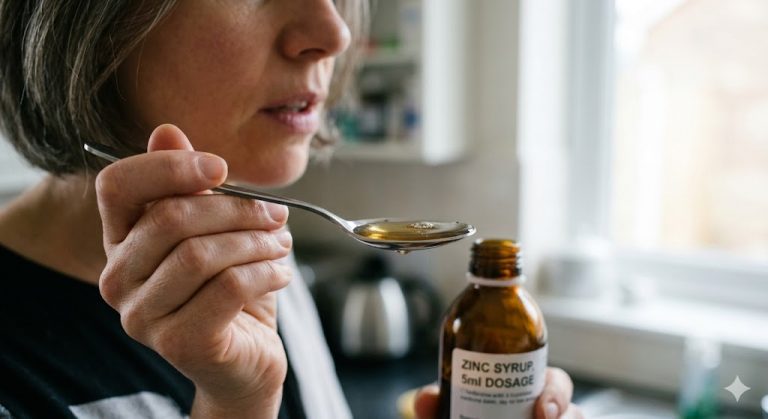
Some studies suggest the amino acid lysine can interfere with the virus’s ability to replicate. While not as potent as prescriptions taking a high dose of lysine at the first sign of an outbreak helps some people. It is best used as a supportive measure.
6. Topical Lemon Balm
Lemon balm extract has shown modest antiviral properties in herbal studies. Applying a concentrated balm at the prodromal stage may reduce symptoms and healing time. It is a gentler alternative for those avoiding synthetic drugs.
7. Aggressive Sun Protection
Ultraviolet light is a massive trigger that wakes up the virus. Using a high SPF lip balm daily can stop the activation process before it even begins. Prevention is the ultimate way to stop a sore in its tracks.
Best Time & Dosage for Maximum Results
The concept of “stopping it in its tracks” relies entirely on the first twelve to twenty four hours. I found that once a visible fluid filled blister has formed the window for abortive treatment has mostly closed. You are now in damage control mode.
For prescription oral medications clinicians often use a “pulse dose” approach. This might mean taking two grams of valacyclovir at the first tingle and another two grams twelve hours later. This high initial burst of medication is crucial to overwhelm the replicating virus.
For topical treatments frequency is key. A cream like docosanol typically needs to be applied five times a day to maintain a barrier against the virus. Skimping on applications will render the treatment ineffective.
Safety & Precautions
1. Strict Hand Hygiene
You must wash your hands immediately after applying any cream or touching your lip. The virus is highly contagious and can spread to your eyes or other people. Never touch your eyes after touching a cold sore.
Safety Note: Ocular herpes can cause vision damage.
2. No Picking or Popping
It is tempting to pop the blister hoping it will heal faster but this is a major mistake. Popping it releases highly infectious fluid and creates an open wound prone to bacterial infection. Let it resolve naturally.
Safety Note: Secondary bacterial infections can cause scarring.
3. Avoid Close Contact
Do not kiss anyone or share utensils cups or towels while you have symptoms. You are contagious from the moment of the first tingle until the scab falls off completely. Be extra careful around babies or immunocompromised people.
Safety Note: Neonatal herpes is a life threatening condition.
4. Check Medications with Doctors
Before starting high dose supplements or oral antivirals consult your physician. This is especially important if you have kidney issues or are pregnant. Even over the counter treatments can have contraindications.
Safety Note: Ensure treatments do not interact with existing conditions.
5. Replace Your Lip Balm
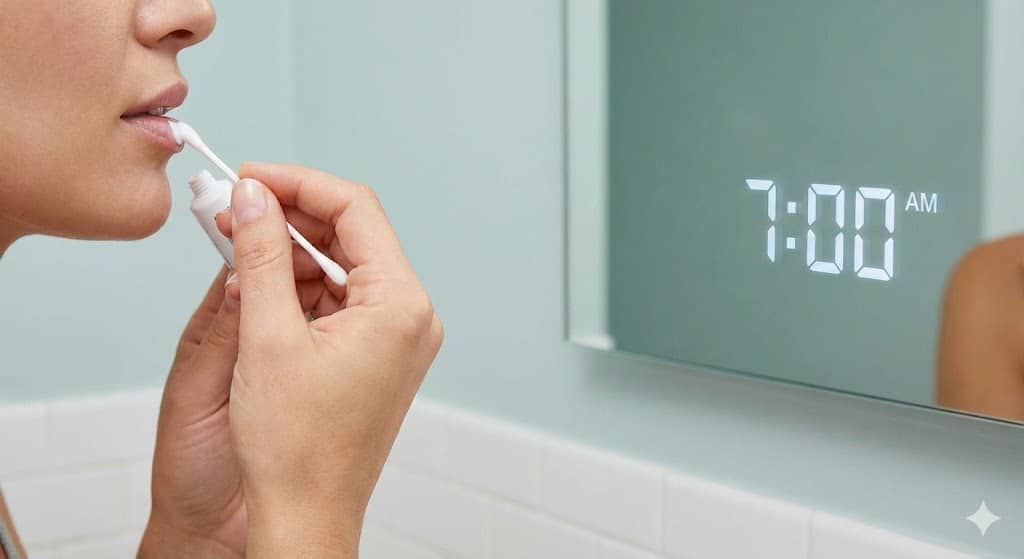
If you used a lip balm stick directly on an active sore throw it away once healed. The virus can survive on the balm for a short period and you risk reinfecting yourself later. Switch to disposable cotton swabs for application during an outbreak.
Safety Note: Contaminated products can trigger recurrences.
5 Common Myths vs Facts
Myth 1: You can dry out a cold sore with alcohol or toothpaste.
Fact: These home remedies do not stop the virus and can severely irritate the skin making the sore look worse and take longer to heal.
Myth 2: You are only contagious when you can see a blister.
Fact: You are contagious from the very first moment of tingling or itching before anything is visible on the skin.
Myth 3: Antibiotics will help it heal faster.
Fact: Cold sores are caused by a virus and antibiotics only kill bacteria. They will do absolutely nothing for a standard cold sore.
Myth 4: There is a permanent cure for cold sores.
Fact: Currently there is no cure for HSV-1. The virus remains in your body for life but treatments can manage outbreaks effectively.
Myth 5: Natural remedies are just as fast as prescriptions.
Fact: While some natural options provide symptom relief clinical data shows prescription antivirals are significantly faster at halting replication.
The Bottom Line
The secret to stopping a cold sore is preparation and speed during the initial tingle.
Based on the research I believe that having a prescription oral antiviral on hand is the only reliably proven method to abort an attack completely. My take is that while OTC creams help they often cannot match the speed of prescription options during that critical twelve hour window. You need heavy artillery right at the start.
Your next step should be asking your doctor for a “just in case” prescription to keep in your medicine cabinet.
Get Your FREE Ultimate Vitamin Guide!
Join the VitaminProGuide community to receive science-backed supplement reviews, nutritional insights, and absorption tips, delivered straight to your inbox.