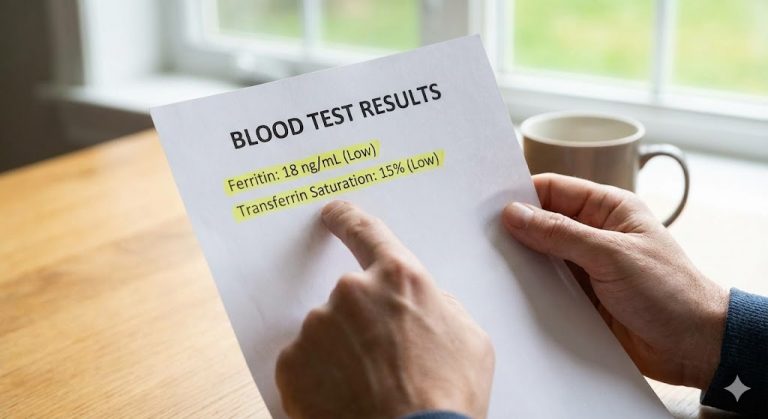
My review of iron supplements that combat anemia without causing constipation reveals a crucial intersection of efficacy and comfort. Many individuals suffer from iron deficiency anemia, leading to fatigue, weakness, and various health complications. The challenge often lies in finding supplements that not only provide the necessary iron but also minimize gastrointestinal side effects, particularly constipation, which is a common complaint with traditional iron formulations.
Research indicates that certain types of iron supplements can be more tolerable than others. For instance, ferrous bisglycinate and heme iron supplements tend to be better absorbed and less likely to cause digestive issues. My analysis of various formulations highlights the importance of bioavailability and the role of accompanying nutrients, such as vitamin C, which can enhance iron absorption and mitigate side effects.
Throughout my exploration of this topic, I encountered various user experiences and clinical studies that underscore the significance of individualized approaches. Some people may respond well to one type of iron supplement while others may find it ineffective or uncomfortable. This variability further emphasizes the need for informed choices when selecting iron supplements for anemia.
Ultimately, understanding the options available can empower individuals to make choices that support both their iron levels and overall digestive health. My commitment to presenting clear, evidence-based information aims to assist those navigating this often complex landscape of iron supplementation.
Comprehensive Overview of Iron Supplements for Anemia
- Dosage/Timing: For best results, take iron supplements on an empty stomach, ideally in the morning.
- Function/Timeline: Expect noticeable improvements in energy levels within 4 to 6 weeks of consistent use.
- Combination: Pair with vitamin C to enhance absorption and reduce potential gastrointestinal discomfort.
- Consultation: Always consult with a healthcare professional before starting any new supplement regimen.
Morning Routine for Daily Supplementation
Taking iron supplements in the morning can be beneficial for several reasons. Morning doses align with the body’s natural rhythms, allowing for optimal absorption. Consuming iron on an empty stomach can enhance its bioavailability, ensuring that the body receives the maximum benefit from the supplement.
It’s advisable to avoid taking iron with calcium-rich foods or beverages, as these can inhibit absorption. A glass of orange juice can be a good companion for your iron supplement, as vitamin C significantly boosts iron uptake. This combination can enhance the efficacy of the supplement while minimizing digestive discomfort.
Individuals should remain consistent with their morning routine to establish a habit. Over time, this will help in monitoring how the body responds to the supplementation. Regular check-ins with a healthcare provider can provide insights into the effectiveness of the regimen.
The Adjustment Phase for New Users
When starting iron supplementation, some individuals may experience mild gastrointestinal issues. This is a normal response as the body adjusts to the increased iron levels. Gradually introducing the supplement can help mitigate these effects. Beginning with a lower dose and slowly increasing it can allow the digestive system to adapt.
Monitoring any side effects during this phase is crucial. Keeping a journal to track symptoms and improvements can provide valuable insights into how the body is responding. If constipation or other issues arise, it may be necessary to switch to a different type of iron supplement that is better tolerated.
Consulting with a healthcare provider during this phase can ensure that any adjustments made are safe and effective. The goal is to find a balance that enhances iron levels without compromising digestive health.
Long-Term Management of Iron Levels
Once stable iron levels are achieved, maintaining this balance becomes essential. Regular blood tests can help track hemoglobin and ferritin levels, providing a clear picture of iron status. Based on these results, healthcare providers can adjust supplement dosages as needed.
Incorporating dietary sources of iron into daily meals can also support long-term management. Foods like lean meats, beans, and leafy greens can provide additional iron without the side effects associated with supplements. This approach can complement supplementation and help maintain optimal iron levels.
Staying educated about iron needs and potential deficiencies can empower individuals to make informed choices. Engaging with healthcare professionals about any changes in symptoms or dietary habits is key to ensuring ongoing health.
Iron Absorption and Its Impact on Health
The process of iron absorption is critical for individuals dealing with anemia. Iron is essential for hemoglobin production, which carries oxygen in the blood. A deficiency in iron can lead to reduced oxygen delivery to tissues, resulting in fatigue and weakness. The body absorbs iron primarily in the small intestine, where various factors can influence its uptake.
Clinical studies have shown that certain forms of iron, such as ferrous bisglycinate, are absorbed more efficiently than others. These formulations are less likely to cause constipation and other gastrointestinal issues. According to the National Institutes of Health, iron supplements can be effective in treating iron deficiency anemia, but they should be chosen carefully. For more detailed information, visit NIH Office of Dietary Supplements.
Understanding the role of dietary components, such as vitamin C, is also vital. This vitamin enhances the absorption of non-heme iron found in plant-based sources. By incorporating these elements into a supplementation strategy, individuals can improve their iron levels while minimizing the risk of adverse effects.
Common Missteps in Iron Supplementation
Many individuals make mistakes when it comes to iron supplementation that can hinder progress. One common error is taking iron with calcium-rich foods or beverages. Calcium competes with iron for absorption, leading to reduced effectiveness. To fix this, individuals should space out their intake of calcium and iron supplements by a few hours.
Another frequent mistake involves not considering the type of iron supplement being used. Some forms may cause more gastrointestinal distress than others. Switching to a more tolerable formulation, such as ferrous bisglycinate, can significantly improve comfort and adherence to supplementation.
Lastly, neglecting to consult with a healthcare provider can lead to improper dosing and potential health risks. Regular consultations ensure that individuals are taking the right amount of iron and that any side effects are addressed promptly. Professional guidance can prevent complications and enhance the overall effectiveness of the supplementation plan.
Iron Supplements Key Comparisons
| Factor | Observation | Typical Result |
|---|---|---|
| Type of Iron | Ferrous bisglycinate vs. ferrous sulfate | Ferrous bisglycinate tends to cause fewer gastrointestinal issues |
| Absorption | With vitamin C vs. without | Absorption significantly increases with vitamin C |
| Timing of Dosing | Morning vs. evening | Morning dosing on an empty stomach is most effective |
Enhancing Iron Absorption for Optimal Results
Stacking iron supplements with vitamin C can significantly increase absorption rates. Vitamin C reduces ferric iron to a more absorbable ferrous state, making it easier for the body to utilize. This pairing not only enhances iron uptake but also mitigates some gastrointestinal discomfort associated with iron supplements.
Incorporating dietary adjustments can further improve results. Consuming iron-rich foods alongside supplements can help maintain iron levels. Foods high in vitamin C, such as citrus fruits, strawberries, and bell peppers, can complement iron intake, ensuring that the body absorbs as much iron as possible.
Who Should Avoid This?
- Individuals with Hemochromatosis: This genetic condition leads to excessive iron accumulation, which can be harmful.
- Those Taking Certain Medications: Some medications, like antacids, can interfere with iron absorption.
- People with Gastrointestinal Disorders: Conditions like Crohn’s disease can complicate iron absorption and supplementation.
Final Take
- My Honest Assessment: Iron supplements can be effective for anemia but require careful selection.
- The Smart Play: Consult a healthcare provider to tailor supplementation to individual needs.
- Final Word: Prioritize both iron intake and digestive health for optimal results.
Common Questions
What are the best iron supplements for anemia?
Ferrous bisglycinate and heme iron supplements are often recommended due to their better absorption and lower risk of constipation.
Can I take iron supplements with food?
While some foods can inhibit absorption, taking iron with vitamin C-rich foods can enhance its effectiveness.
How long does it take to see results from iron supplements?
Most individuals notice improvements in energy levels within 4 to 6 weeks of consistent use.
Are there any side effects of iron supplementation?
Common side effects may include gastrointestinal discomfort, nausea, and constipation, though these can often be minimized by choosing the right formulation.
Get Your FREE Ultimate Vitamin Guide!
Join the VitaminProGuide community to receive science-backed supplement reviews, nutritional insights, and absorption tips, delivered straight to your inbox.