Contents
My review of knee pain relief tips for summer hiking adventures reveals a significant need for practical strategies. Many hikers experience discomfort that can detract from their enjoyment of the outdoors. I analyzed various methods and treatments, focusing on both preventive measures and immediate relief techniques.
Research indicates that knee pain can arise from various factors, including inflammation, overuse, and improper footwear. The impact of these elements can be particularly pronounced during summer hikes when temperatures rise and trails become more challenging. My review identified several effective strategies that can help mitigate knee pain, allowing for a more enjoyable hiking experience.
It is essential to consider both short-term and long-term solutions. Immediate relief can often be achieved through simple adjustments, while long-term strategies might involve lifestyle changes and more comprehensive treatment options. Understanding the best practices for knee care can significantly enhance one’s hiking adventures.
Exploring these topics provides a clearer picture of how to approach knee pain relief. Each strategy has its merits, and combining them may yield the best results. The goal is to enjoy summer hikes without being hindered by discomfort.
Effective Strategies for Knee Pain Relief During Summer Hiking
- Dosage/Timing: Take glucosamine supplements daily, preferably in the morning.
- Function/Timeline: Use knee braces during hikes for immediate support.
- Dosage/Timing: Apply topical analgesics 30 minutes before hiking.
- Function/Timeline: Incorporate stretching routines before and after hikes for long-term flexibility.
The Preparation
Preparing for a hike begins well before the day of the adventure. Assessing one’s physical condition is crucial. Individuals should evaluate their knee health and consult a healthcare provider if necessary. Strengthening exercises targeting the muscles surrounding the knee can provide added support. Incorporating exercises such as squats and lunges can enhance muscle strength and stability.
Choosing the right footwear plays a vital role in knee comfort. Properly fitted hiking boots with adequate arch support can significantly reduce strain on the knees. Look for options that provide cushioning while allowing for natural movement. This choice can prevent pain from developing during the hike and improve overall performance.
Hydration is another key factor in preparing for a hike. Staying well-hydrated helps maintain joint lubrication. Dehydration can lead to increased friction in the joints, exacerbating pain. Carrying sufficient water and consuming electrolytes can keep the body functioning optimally during physical exertion.
The Adjustment Phase
During the hike, it is essential to listen to your body. If pain arises, consider adjusting your pace or even taking breaks as needed. Frequent rest stops can alleviate pressure on the knees and allow for recovery. Stretching during these breaks can also help maintain flexibility and reduce stiffness.
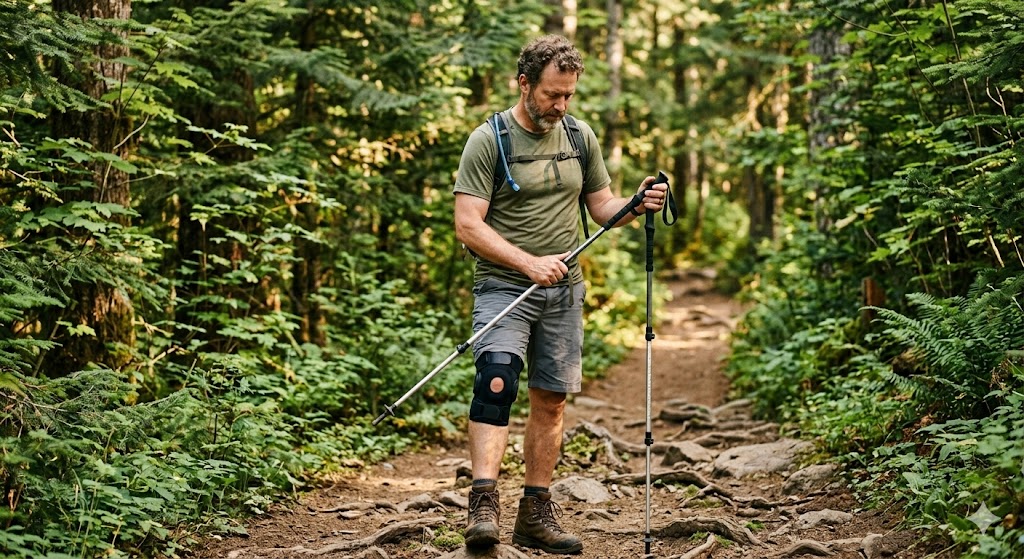
Utilizing knee braces or supports can provide immediate relief for those experiencing discomfort. These devices can stabilize the joint, allowing for continued movement without exacerbating pain. Finding the right type of brace can make a significant difference in comfort levels during hikes.
Topical analgesics can serve as an effective short-term solution for managing pain. Applying these products 30 minutes before hiking can provide targeted relief. Ensure to choose formulations that are suitable for outdoor use, as sweat and moisture can affect their efficacy.
Long-Term Management
After the hike, implementing a recovery routine is vital for long-term knee health. Stretching and gentle exercises can help maintain flexibility and strengthen the muscles around the knee. Consider activities like yoga or swimming, which can offer low-impact alternatives for building strength without added strain.
Regular use of ice packs on the knees post-hike can reduce inflammation and alleviate pain. Applying ice for 15-20 minutes can help manage swelling and promote healing. This practice should become a routine for those who hike frequently.
Consulting with a physical therapist can also aid in developing a tailored exercise regimen. Professional guidance ensures that individuals engage in movements that strengthen the knees while avoiding those that may lead to injury. This proactive approach can enhance overall knee function and prevent future pain.
Biological Impact on Knee Pain
Understanding the biological factors involved in knee pain can inform effective strategies for relief. The knee joint comprises cartilage, ligaments, and synovial fluid, all of which play essential roles in movement and stability. Damage or wear to these components can lead to pain and discomfort during activities such as hiking.
Inflammation is a common issue that affects many individuals experiencing knee pain. Conditions like osteoarthritis or tendonitis can result from overuse or injury, leading to swelling and stiffness. Managing inflammation through appropriate techniques is crucial for maintaining knee health.
Research supports these findings. A study published by the National Institutes of Health highlights the importance of physical activity in managing knee pain. Regular movement can strengthen the muscles around the knee and improve functional outcomes. Engaging in low-impact exercises can be beneficial for long-term health. For further information, visit NIH.
Common Errors in Knee Pain Management
Ignoring Pain Signals
Many hikers push through pain, believing it will resolve on its own. This approach can lead to more severe injuries. Recognizing when to stop and rest is essential for long-term health.
Inadequate Warm-Up
Skipping warm-up exercises can increase the risk of injury. A proper warm-up routine prepares the muscles and joints for the demands of hiking. Taking the time to stretch and warm up can prevent strains and sprains.
Neglecting Footwear
Wearing improper footwear can exacerbate knee pain. Choosing shoes that do not provide adequate support can lead to misalignment and increased strain. It is essential to invest in high-quality hiking boots that fit well and support the arches.
Knee Pain Relief Key Comparisons
| Factor | Observation | Typical Result |
|---|---|---|
| Footwear Quality | High-quality boots | Reduced knee strain |
| Hydration Levels | Well-hydrated individuals | Improved joint lubrication |
| Strengthening Exercises | Regular strength training | Enhanced knee stability |
Maximizing Knee Comfort and Function
Stacking knee pain relief methods can significantly improve results. Combining topical analgesics with knee braces provides both immediate and supportive relief. This approach ensures that individuals can enjoy their hikes without discomfort hindering their experience.
Lifestyle adjustments can also enhance knee health. Incorporating strength training and flexibility exercises into daily routines can build resilience. This proactive approach fosters long-term well-being and reduces the likelihood of pain during outdoor activities.
Who Should Avoid This?
- Individuals with severe knee injuries: Those recovering from surgeries should avoid strenuous activities that may exacerbate their condition.
- People with specific allergies: Certain topical analgesics may contain ingredients that trigger allergic reactions in sensitive individuals.
- Individuals with chronic health conditions: Those with conditions like diabetes should consult a healthcare provider before starting new supplements or treatments.
Final Take
- My Honest Assessment: Knee pain relief strategies are essential for an enjoyable hiking experience.
- The Smart Play: Prioritize proper footwear and hydration while incorporating strength exercises.
- Final Word: Taking proactive measures can ensure that knee pain does not limit your summer adventures.
Common Questions
What are the best stretches for knee pain relief?
Stretching the quadriceps, hamstrings, and calves can significantly improve knee comfort. Incorporate gentle stretches before and after hiking to maintain flexibility.
How can I prevent knee pain while hiking?
Wearing supportive footwear, staying hydrated, and strengthening the muscles around the knee can help prevent pain during hikes.
Is it safe to hike with knee pain?
Hiking with mild knee pain may be acceptable, but it is crucial to listen to your body. If pain worsens, consider taking a break or seeking medical advice.
What role does weight play in knee pain?
Excess weight can increase strain on the knees, leading to discomfort. Maintaining a healthy weight through diet and exercise can support knee health.
Get Your FREE Ultimate Vitamin Guide!
Join the VitaminProGuide community to receive science-backed supplement reviews, nutritional insights, and absorption tips, delivered straight to your inbox.