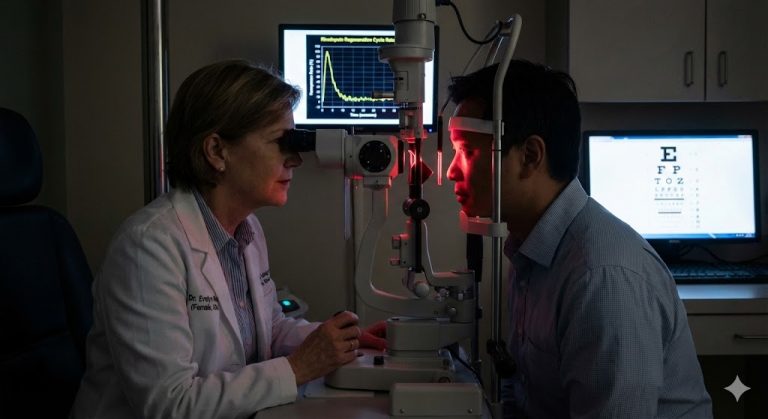
My review of lutein and astaxanthin reveals fascinating insights into their roles in eye health. Both carotenoids have garnered attention for their potential benefits in protecting vision. I will explore the evidence surrounding these compounds to determine which might offer greater advantages for eye health.
Lutein is widely recognized for its presence in green leafy vegetables. This carotenoid accumulates in the retina, specifically in the macula, where it plays a crucial role in filtering harmful blue light. Astaxanthin, on the other hand, is derived from marine sources, particularly algae and seafood. Its antioxidant properties are well-documented, making it a contender in the realm of eye health.
My analysis focuses on their respective mechanisms and the scientific studies that support their efficacy. The comparison is not merely academic; it has real implications for those concerned about their vision. I will provide a thorough examination of both compounds to offer clarity on which one may be more beneficial for eye health.
As I sift through the research, the aim is to present clear, evidence-based conclusions that can assist in making informed decisions. The ultimate goal is to help readers understand the potential of lutein and astaxanthin in enhancing and protecting their vision.
-
- Dosage/Timing: Lutein is generally taken at 10-20 mg daily, while astaxanthin is often consumed at 4-12 mg daily.
-
- Function/Timeline: Lutein aids in short-term protection from blue light; astaxanthin supports long-term retinal health.
-
- Source: Lutein is abundant in spinach, kale, and corn; astaxanthin is primarily found in wild salmon and microalgae.
-
- Synergy: Combining both may enhance overall eye health, as they target different aspects of vision protection.
Application and Differences
Lutein: The Green Guardian
Lutein is a carotenoid that primarily resides in the retina and lens of the eye. Its ability to filter blue light helps reduce oxidative stress. This function is crucial for maintaining visual acuity and protecting against age-related macular degeneration.
Daily supplementation of lutein has been associated with improved contrast sensitivity and visual function. The recommended dosage typically ranges from 10 to 20 mg per day. This range is considered effective for most individuals seeking to bolster their eye health.
Lutein also works synergistically with other antioxidants. When combined with zeaxanthin, another carotenoid, the protective effects on the retina are enhanced. This combination may provide comprehensive support for overall eye health.
Astaxanthin: The Ocean’s Protector
Astaxanthin stands out due to its potent antioxidant properties. This carotenoid is derived from marine sources and is known for its ability to cross the blood-retinal barrier. This characteristic allows it to exert protective effects directly on retinal cells.
Research highlights astaxanthin’s role in reducing inflammation and oxidative stress in the eye. Typical dosages for astaxanthin range from 4 to 12 mg daily. This range is effective for individuals looking to improve their eye health through supplementation.
Astaxanthin also shows promise in improving blood flow to the eyes. Enhanced circulation can lead to better oxygenation of retinal tissues, supporting overall vision and eye comfort. This aspect is particularly valuable for those experiencing eye strain.
Comparative Benefits
When comparing lutein and astaxanthin, the focus shifts to their unique benefits. Lutein excels in protecting against harmful light exposure and is vital for maintaining visual clarity. Astaxanthin, with its superior antioxidant properties, excels in reducing inflammation and oxidative damage.
Both compounds have their strengths. Lutein is often recommended for those looking to shield their eyes from environmental stressors. Astaxanthin, conversely, is ideal for individuals seeking to enhance overall retinal health and reduce inflammation.
The decision between lutein and astaxanthin may depend on specific needs. Individuals with a history of eye strain might benefit more from astaxanthin, while those concerned about light exposure may find lutein more beneficial. Combining both may offer a comprehensive approach to eye health.
Biological Impact on Eye Health
The role of carotenoids in eye health is primarily linked to their antioxidant properties. Lutein and astaxanthin contribute significantly to protecting retinal cells from oxidative damage. They achieve this by neutralizing free radicals and reducing inflammation.
Clinical studies indicate that lutein supplementation can lead to improved visual function in individuals with age-related macular degeneration. A study published in the National Institutes of Health highlights the efficacy of lutein in enhancing visual performance and reducing the risk of cataracts NIH.
Astaxanthin’s role in eye health is gaining traction, with evidence suggesting it may improve blood flow to retinal tissues. This enhanced circulation can support overall eye function and comfort, particularly in individuals experiencing visual fatigue or strain.
Common Mistakes in Usage
Choosing the Wrong Dosage
Many individuals underestimate the importance of dosage when using lutein or astaxanthin. Taking too little may not provide noticeable benefits. It is essential to adhere to recommended dosages for optimal effects.
Ignoring Whole Food Sources
Some people rely solely on supplements without considering whole food sources. Incorporating foods rich in lutein and astaxanthin can enhance overall intake. This approach ensures a more balanced nutrient profile.
Overlooking Synergistic Benefits
Failing to combine these carotenoids can limit their potential effects. Both compounds offer unique benefits that, when combined, may lead to improved outcomes. A holistic approach that includes both can maximize eye health.
Lutein vs Astaxanthin Key Comparisons
| Factor | Observation | Typical Result |
|---|---|---|
| Source | Lutein is found in leafy greens; astaxanthin is derived from marine sources. | Dietary variety affects intake. |
| Dosage | Lutein: 10-20 mg; Astaxanthin: 4-12 mg. | Effective supplementation varies. |
| Primary Benefit | Lutein protects against blue light; astaxanthin reduces inflammation. | Specific protective effects on eye health. |
Maximizing Results
Stacking lutein and astaxanthin can enhance bioavailability. Taking them together may improve absorption and effectiveness. This combination can provide comprehensive support for eye health, targeting various aspects of vision protection.
Incorporating lifestyle adjustments is equally crucial. Adequate hydration, a balanced diet, and regular eye check-ups can complement the benefits of these supplements. Ensuring overall well-being supports optimal eye function and enhances the effects of lutein and astaxanthin.
Who Should Avoid This?
-
- Pregnant or Nursing Women: Limited research exists on the safety of high doses during pregnancy or lactation.
-
- Individuals on Blood Thinners: Both compounds may affect blood clotting; consult a healthcare provider.
-
- Allergy to Seafood: Astaxanthin from marine sources may pose risks for those with seafood allergies.
Final Take
-
- My Honest Assessment: Both lutein and astaxanthin offer valuable benefits for eye health.
-
- The Smart Play: Consider incorporating both into your routine for optimal results.
-
- Final Word: Prioritize a balanced approach to eye health for lasting benefits.
Common Questions
What is the best source of lutein?
Lutein is abundant in green leafy vegetables such as spinach, kale, and broccoli.
Can I take astaxanthin with other supplements?
Yes, astaxanthin can be taken alongside other supplements, but consult a healthcare provider for personalized advice.
How long does it take to see results from lutein?
Results can vary, but many individuals notice improvements in visual function within a few weeks of consistent supplementation.
Is there a risk of overdose with these carotenoids?
While they are generally safe, excessive doses can lead to skin discoloration. Stick to recommended dosages for safety.
Get Your FREE Ultimate Vitamin Guide!
Join the VitaminProGuide community to receive science-backed supplement reviews, nutritional insights, and absorption tips, delivered straight to your inbox.