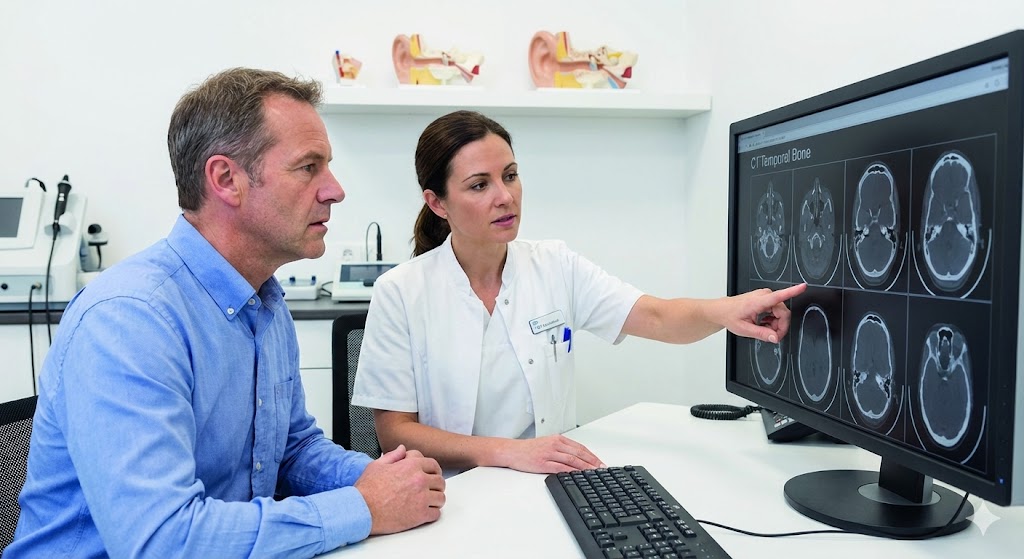
I have extensively reviewed the role of MRI and CT scans in the diagnosis of tinnitus. Tinnitus, characterized by the perception of sound without external stimuli, poses significant diagnostic challenges. My analysis highlights the unique capabilities of both imaging modalities to identify potential underlying causes. MRI is typically favored for soft tissue imaging, particularly in cases related to neurological conditions. CT scans, on the other hand, excel in visualizing bony structures, making them invaluable for detecting abnormalities in the ear and surrounding regions.
The choice between MRI and CT often hinges on the clinical presentation of the patient. I discovered that MRI is particularly effective in cases where acoustic neuromas or other tumors might be involved. Conversely, CT scans are frequently utilized when assessing for middle ear infections or bony abnormalities. Both imaging techniques have their strengths, yet they serve distinct purposes in diagnosing tinnitus.
I found that the decision-making process involves a thorough evaluation of patient history and symptoms. Gathering detailed information about the nature of the tinnitus can guide the choice of imaging. Understanding the advantages and limitations of each method ensures that patients receive the most appropriate diagnostic tool. This analysis aims to clarify the roles of MRI and CT in tinnitus diagnosis, ultimately aiding both patients and healthcare providers in making informed decisions.
-
- MRI Usage: Preferred for soft tissue evaluation, especially for neurological issues.
-
- CT Scan Timing: Recommended for quick assessment of bony structures and acute conditions.
-
- Follow-Up Protocol: MRI may require sedation for certain patients, while CT scans are generally quicker.
-
- Cost Consideration: MRI tends to be more expensive than CT scans, influencing treatment decisions.
Evaluating Imaging Techniques for Tinnitus
The Preparation Phase
Before undergoing an MRI or CT scan, patients must prepare adequately. For an MRI, it is essential to remove any metallic objects. This includes jewelry, watches, and any electronic devices. Patients are often asked to wear a gown to ensure their comfort and safety. An understanding of the procedure can alleviate anxiety, which may be beneficial for accurate results.
CT scans require less preparation. Patients may need to fast for a few hours before the scan, especially if a contrast agent is used. This contrast agent enhances the clarity of images but may cause temporary discomfort. A thorough discussion with the healthcare provider can clarify these requirements.
Understanding these preparation steps is crucial for minimizing any potential complications. Being well-informed helps patients feel more at ease, allowing for a smoother imaging experience. Proper preparation can also lead to more accurate diagnostic results.
The Adjustment Phase
During the imaging process, the experience can vary significantly between MRI and CT scans. An MRI typically takes longer, often lasting up to an hour. Patients must remain still in a tube-like machine, which can be uncomfortable for some. The noise generated by the MRI machine can also be unsettling. Patients should be informed about the sounds they may hear, as this can help reduce anxiety.
CT scans are generally quicker, often completed within minutes. Patients lie on a table that moves through a rotating machine. The process is usually painless, and the speed can be an advantage for those who may have difficulty remaining still.
The comfort level during these scans can affect the quality of the images produced. Patients who are anxious or uncomfortable may inadvertently move, leading to less accurate results. Clear communication with healthcare providers about what to expect can enhance the overall experience.
Long-Term Management
The results from MRI and CT scans play a critical role in the long-term management of tinnitus. An MRI can reveal underlying neurological conditions that may require further treatment. If a tumor or other significant finding is detected, a comprehensive treatment plan can be developed. This may involve surgery, medication, or ongoing monitoring.
CT scans are particularly useful for identifying structural abnormalities that can lead to tinnitus. In cases where ear infections or other conditions are diagnosed, timely intervention can prevent further complications. Follow-up appointments are essential for assessing the effectiveness of any prescribed treatment.
Regular monitoring and follow-ups can help manage tinnitus symptoms more effectively. This proactive approach allows for adjustments in treatment as needed, ultimately improving patient outcomes. A well-structured management plan can provide patients with a clearer path forward.
Neurological Implications of Tinnitus
Research indicates a strong connection between tinnitus and various neurological conditions. The auditory pathways in the brain can become altered due to several factors, including hearing loss or exposure to loud noises. This alteration can lead to the perception of sound, even in the absence of external stimuli. Understanding these changes can help clinicians tailor their diagnostic approach.
A study published by the National Institutes of Health highlights the prevalence of tinnitus among individuals with hearing impairment. This research emphasizes the importance of comprehensive evaluations to identify potential underlying causes. Imaging techniques such as MRI and CT scans can aid in this diagnosis, allowing for targeted treatment strategies. For more detailed insights, refer to the National Institutes of Health resources.
The interplay between tinnitus and neurological factors necessitates a thorough investigation. Identifying any underlying issues can significantly impact treatment options and patient quality of life. Clinicians must remain vigilant in assessing these connections to provide the best care possible.
Common Mistakes in Diagnostic Imaging for Tinnitus
Misunderstanding the purpose of each imaging modality can lead to ineffective diagnosis. Many patients assume that CT scans are sufficient for all cases of tinnitus. This misconception can result in missed diagnoses of underlying neurological issues that MRI would capture. It is crucial for patients to discuss their symptoms thoroughly with their healthcare providers to determine the most appropriate imaging.
Another common error is neglecting to prepare adequately for the scan. Patients may overlook the importance of removing metallic objects for MRI or fasting for CT scans. This oversight can lead to delays or the need for repeat scans, ultimately prolonging the diagnostic process. Proper preparation can enhance the quality of the images obtained.
Lastly, some patients might not follow up on imaging results. Receiving the results is just as critical as the imaging itself. Understanding the implications of the findings is essential for effective treatment. Patients should engage in discussions with their healthcare providers to ensure they have a comprehensive understanding of their diagnosis.
MRI and CT Scan Key Comparisons
| Factor | Observation | Typical Result |
|---|---|---|
| Imaging Time | MRI takes longer, approximately 30-60 minutes. | Higher resolution for soft tissues. |
| Cost | MRI is generally more expensive than CT. | Potential financial considerations for patients. |
| Patient Comfort | CT scans are quicker, reducing discomfort. | Less anxiety for patients. |
Stacking Techniques for Enhanced Comfort
Implementing lifestyle adjustments can significantly improve the experience of undergoing MRI or CT scans. Creating a calming environment before the appointment helps alleviate anxiety. Patients may benefit from practicing relaxation techniques, such as deep breathing or visualization, to manage their stress levels. These methods can enhance comfort during the imaging process and lead to better outcomes.
Additionally, ensuring clear communication with healthcare providers is vital. Understanding the procedure can reduce apprehension. Patients should feel empowered to ask questions about what to expect. This proactive approach fosters a sense of control, minimizing any fear associated with the imaging process.
Who Should Avoid This?
-
- Patients with Claustrophobia: Those who experience anxiety in confined spaces may struggle with MRI scans. Alternative imaging methods should be considered.
-
- Individuals with Metal Implants: Patients with certain metal implants may be ineligible for MRI due to safety concerns. A thorough medical history should be reviewed.
-
- Pregnant Women: MRI and CT scans should be approached cautiously during pregnancy, particularly in the first trimester. Always consult a healthcare provider for guidance.
Final Take
-
- My Honest Assessment: Both MRI and CT scans are invaluable tools for diagnosing tinnitus, each serving distinct roles.
-
- The Smart Play: Engage in thorough discussions with healthcare providers to determine the most suitable imaging option.
-
- Final Word: Making informed decisions about diagnostic imaging can enhance outcomes and improve quality of life.
Common Questions
What is the primary difference between MRI and CT scans?
MRI uses magnetic fields and radio waves to create detailed images of soft tissues, while CT scans use X-rays for imaging bony structures.
Is one imaging technique preferred over the other for tinnitus?
The choice depends on the suspected underlying cause. MRI is often preferred for neurological issues, while CT scans are better for bony abnormalities.
How long does each scan typically take?
An MRI can take 30 to 60 minutes, while a CT scan generally takes just a few minutes.
Are there risks associated with these imaging techniques?
Both MRI and CT scans have minimal risks, but patients with certain conditions or implants may face contraindications. Always consult a healthcare provider.
Get Your FREE Ultimate Vitamin Guide!
Join the VitaminProGuide community to receive science-backed supplement reviews, nutritional insights, and absorption tips, delivered straight to your inbox.