- Safety: Generally very high safety profile with minimal side effects compared to surgical risks.
- Effectiveness: Highly variable depending on severity but significant pain reduction is common with consistency.
- Key Benefit: Preserves the natural joint structure and avoids lengthy and painful rehabilitation periods.
You wake up every morning with stiff aching joints wondering if your knees will support you today. The orthopedist just gave you an ultimatum that feels final but many people are now seeking effective natural alternatives to knee surgery. I refused to accept that invasive procedures were the only remaining option on the table.
My investigation led me to a world of non-surgical interventions that are changing how we treat chronic joint pain. I discovered that many surgical routes are often suggested before less invasive methods have been fully exhausted. It is crucial to understand the biological mechanisms of healing before cutting.
I dug into the clinical trials to separate the marketing hype from the real science regarding joint preservation. The data suggests a multi-pronged approach often yields better long-term satisfaction than relying on a single procedure. We need to look at the whole body not just the isolated joint.
Finding the right path requires patience and a willingness to change lifestyle habits that contribute to inflammation. Let us explore the evidence-based strategies that can help you regain mobility without the operating room. It is time to take control of your joint health journey.
What the Research Says About Non-Surgical Joint Relief
My review of the scientific literature reveals that osteoarthritis and chronic knee pain are often driven by systemic inflammation. Conventional medicine frequently rushes to replace the joint rather than addressing the underlying biological environment causing the degradation. Natural approaches focus on reducing this global inflammation and supporting the body’s inherent repair mechanisms.
Research indicates that cartilage has a limited but existent capacity for repair if given the right conditions. I found that interventions targeting metabolic health and biomechanics can significantly slow disease progression. It is not just about wear and tear it is about biological maintenance.
The evidence supports a holistic view where diet movement and targeted nutrients work synergistically. Studies show that reducing mechanical load while improving nutritional status creates a favorable environment for the knee joint. This approach aims to preserve tissue rather than replace it.
| Feature | Natural Alternatives | Total Knee Replacement Surgery |
|---|---|---|
| Invasiveness | Non-invasive to minimally invasive | Highly invasive major surgery |
| Recovery Time | Immediate to a few weeks | Months of painful rehabilitation |
| Primary Goal | Reduce inflammation and restore function | Replace damaged joint with artificial parts |
Effective Ways to Restore Joint Function
1. Strategic Weight Management
I discovered that targeted weight loss is perhaps the most powerful natural intervention available. Research shows that every pound of body weight places four pounds of pressure on the knees. Losing just ten pounds can relieve forty pounds of pressure from your joints with every step.
2. Anti-Inflammatory Dietary Protocols
My analysis of dietary protocols highlights the immense power of food to heal or harm. Eliminating processed sugars and refined seed oils can drastically lower systemic inflammation biomarkers. Focusing on omega-3 rich foods and colorful vegetables provides the raw materials for tissue health.
3. Targeted Supplementation
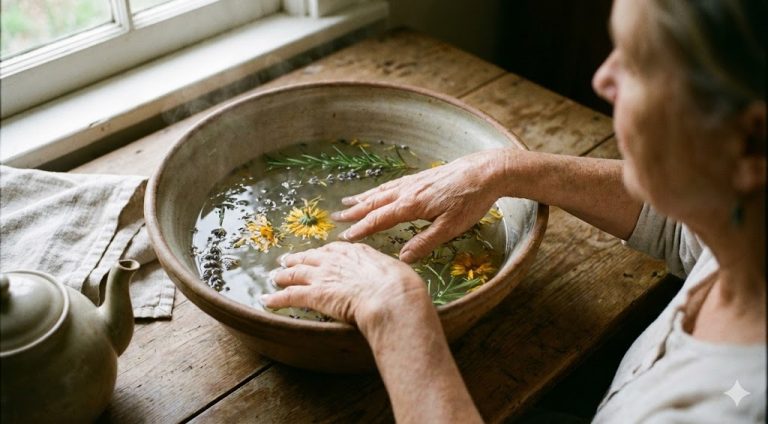
I found compelling data supporting specific supplements beyond basic glucosamine. High-quality bioavailable curcumin has shown effectiveness comparable to some NSAIDs in clinical trials for pain. Collagen peptides act as signaling molecules to stimulate connective tissue repair.
4. Specialized Physical Therapy
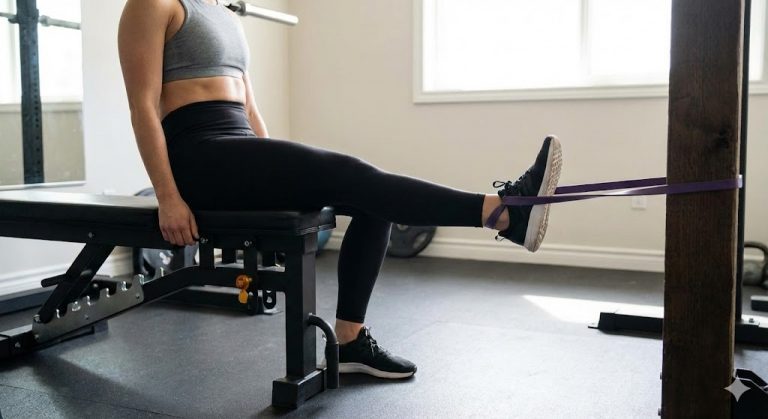
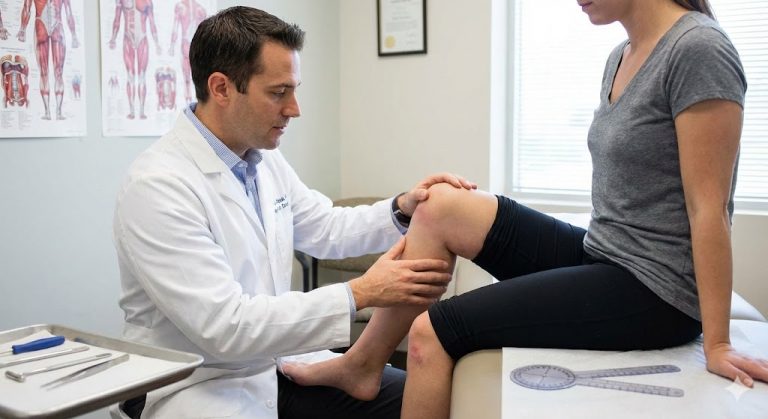
Movement is essential medicine for synovial joints because it circulates nutrient-rich fluid. A skilled physical therapist can identify biomechanical imbalances that are causing uneven wear on the knee. Strengthening the surrounding musculature like the quads and glutes takes the burden off the joint itself.
5. Low-Impact Movement
Stopping activity entirely is the worst thing you can do for a stiff knee. I recommend focusing on low-impact activities like swimming or cycling that keep the joint moving without pounding pavement. Consistent gentle movement prevents scar tissue adhesion and maintains range of motion.
6. Acupuncture and Manual Therapy
Traditional practices offer significant relief for many chronic pain sufferers without drugs. Studies suggest acupuncture can stimulate the release of endorphins and improve local blood circulation to the knee area. Massage therapy helps break up tight fascia that restricts joint movement.
7. Regenerative Medicine Options
While more clinical interventions therapies like Platelet-Rich Plasma or PRP utilize your body’s own healing factors. I found that injecting concentrated platelets can modulate inflammation and signal a healing response in stubborn cases. It bridges the gap between lifestyle changes and surgery.
Best Time & Commitment for Maximum Results
Natural healing is not a quick fix it is a lifestyle commitment that requires patience. My review of successful case studies shows that consistency trumps intensity every single time. You need to give dietary changes and supplement protocols at least three months to show real effects.
The best time to start these protocols is immediately upon noticing chronic knee pain. Waiting until the cartilage is completely gone severely limits the effectiveness of non-surgical options. Early intervention prevents the compensatory movement patterns that cause further damage.
Daily dedication to physical therapy exercises is non-negotiable for success. I suggest integrating these movements into your morning routine so they become habit. Real lasting relief from natural alternatives to knee surgery comes from cumulative daily actions over months.
Safety & Precautions
1. Consult Your Physician First
Always get a full medical diagnosis and imaging before starting any new protocol. You must rule out acute injuries like tears or fractures that require immediate medical attention.
Safety Note: Do not try to self-diagnose severe acute pain.
2. Verify Supplement Quality
The supplement industry is loosely regulated so purity matters immensely. I recommend only using brands that have third-party testing for contaminants and label accuracy.
Safety Note: Low-quality products carry contamination risks.
3. Listen to Your Pain Signals
Exercise should cause muscle fatigue but never sharp joint pain. If a movement hurts the joint itself you must stop immediately and consult a professional.
Safety Note: Pushing through joint pain causes damage.
4. Monitor Medication Interactions
Natural supplements can still interact with prescription blood thinners or other drugs. You must disclose everything you are taking to your doctor or pharmacist.
Safety Note: Herbal remedies have real biological effects.
5. Manage Expectations Clearly
Natural alternatives can significantly reduce pain but may not make a 70-year-old knee feel twenty again. The goal is functional improvement and pain management not perfection.
Safety Note: Unrealistic expectations lead to premature quitting.
5 Common Myths vs Facts
Myth 1: Surgery is inevitably the only solution.
Fact: Many people manage severe symptoms indefinitely without ever going under the knife through lifestyle changes.
Myth 2: Natural means instant relief.
Fact: Biological healing is slow and these methods often take weeks or months to show significant results.
Myth 3: Complete rest is best for knee pain.
Fact: Inactivity weakens muscles and stiffens joints creating a vicious cycle of worsening pain and immobility.
Myth 4: Supplements do not actually work.
Fact: Clinical trials show specific high-quality compounds like curcumin and collagen have measurable positive effects on joint symptoms.
Myth 5: It is too late if I already have arthritis.
Fact: You can always improve function and reduce pain regardless of the stage of degeneration by lowering inflammation.
The Bottom Line
Exploring natural alternatives to knee surgery is a viable and necessary step before committing to irreversible procedures.
Based on the research I believe a multi-pronged approach involving an anti-inflammatory diet targeted physical therapy and specific supplementation offers the best long-term outcome. My personal take is that preserving your natural joint for as long as possible should always be the primary goal. It requires effort but the reward of avoiding major surgery is immense.
Your next step should be consulting a functional medicine practitioner to create a personalized non-surgical plan.
Get Your FREE Ultimate Vitamin Guide!
Join the VitaminProGuide community to receive science-backed supplement reviews, nutritional insights, and absorption tips, delivered straight to your inbox.