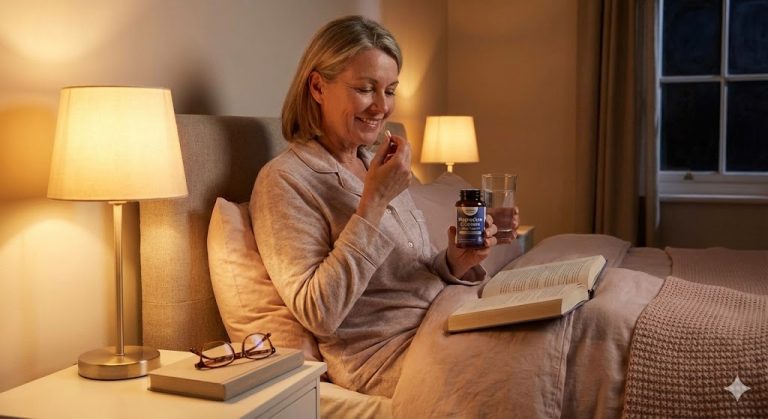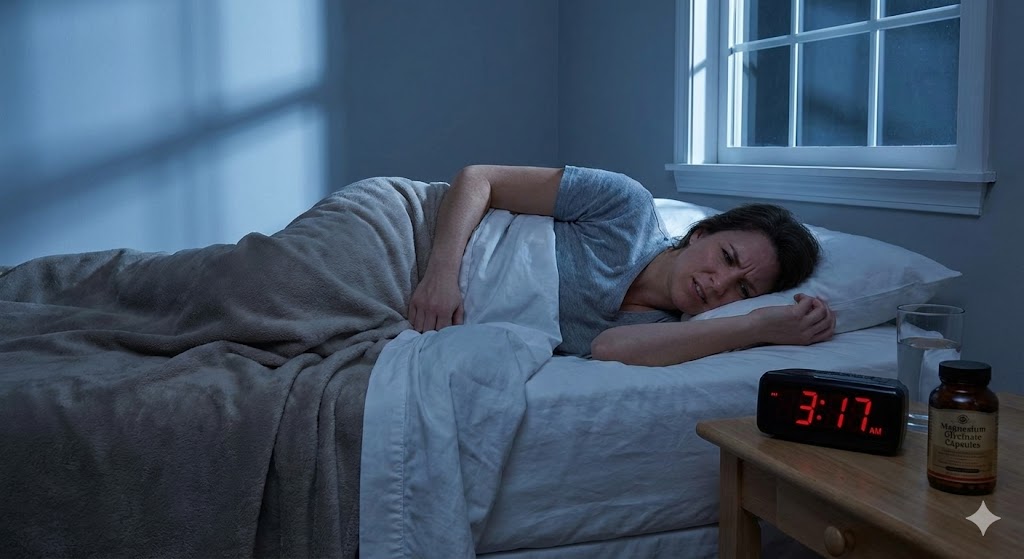
- Safety: Natural options generally have fewer side effects than prescription sleep aids but can still interact with medications.
- Effectiveness: Highly variable. Success depends on targeting the specific root cause of your insomnia, not just masking symptoms.
- Key Benefit: Addresses underlying imbalances in hormones, nutrients, or nervous system activity for long-term sleep health.
There is a massive misconception in the wellness industry about this. We are told that if we just drink enough chamomile tea or take a generic melatonin gummy, our decades of natural cures for chronic insomnia will vanish. But if you are reading this, you already know that simple, weak solutions rarely work for deeply entrenched sleep problems.
The truth is, chronic insomnia is complex. It is not just about being “too awake”; it is often a sign of a deeper physiological imbalance, whether that is hormonal, nutritional, or neurological. Treating a complex biological issue with a simple herbal tea is like trying to put out a forest fire with a water pistol.
I spent the weekend analyzing the data from clinical trials on sleep supplements, and the results were eye-opening. There is a canyon-sized gap between folklore remedies and clinically verified compounds. You need therapeutic doses of bioavailable ingredients to actually shift your body’s sleep-wake cycle.
Forget the fluff and the anecdotal advice. Let’s look at the hard science behind what truly helps calm a hyperactive mind and reset a broken body clock. We need to pivot from weak kitchen remedies to targeted, clinical-grade solutions.
The Biological Mechanism Explained
Your ability to sleep is governed by a delicate dance of hormones and neurotransmitters, primarily cortisol (the “awake” hormone) and melatonin (the “sleep” hormone). In chronic insomnia, this rhythm is broken. You might have high cortisol at night, leaving you wired and tired, or your body might not be producing enough melatonin to initiate sleep.
Effective intervention requires addressing these underlying chemical imbalances. According to the National Heart, Lung, and Blood Institute, chronic insomnia can be linked to other medical conditions or lifestyle habits that disrupt this delicate balance. Standard prescription sleeping pills work by forcefully depressing the central nervous system, which “knocks you out” but does not provide restorative sleep and comes with a high risk of dependency.
I dug into the research on alternative sleep aids to find what actually works on a physiological level. The data shows that certain natural compounds can rival pharmaceuticals in effectiveness without the same side effect profile, but only if used in the correct forms and dosages to target specific pathways.
| Feature | Clinical-Grade Natural Supplements | Prescription Sleep Aids (Z-drugs) |
|---|---|---|
| Mechanism of Action | Supports body’s natural sleep cycles & neurotransmitter balance. | Sedates central nervous system via GABA receptors. |
| Long-Term Safety | Generally high safety profile with low risk of dependency. | High risk of tolerance, dependence, and withdrawal symptoms. |
| Sleep Quality | Promotes natural, restorative sleep stages. | Often suppresses deep, restorative sleep (REM & slow-wave). |
Strategies That Actually Work
1. Magnesium Glycinate or Threonate
Magnesium is essential for relaxing muscles and calming the nervous system by binding to GABA receptors. A deficiency, which is incredibly common, can lead to racing thoughts and physical restlessness. The glycinate and threonate forms are highly absorbable and avoid the digestive issues common with cheaper magnesium oxide.
2. High-Dose L-Theanine
Found naturally in green tea, L-Theanine is an amino acid that promotes relaxation without drowsiness by increasing alpha brain waves. It helps calm a racing mind before bed, making it easier to drift off naturally. You need a clinical dose, often much higher than what is in a cup of tea, to see an effect.
3. Targeted Melatonin (Low Dose or Time-Release)
More is not better with melatonin. High doses can disrupt your body’s natural production and cause next-day grogginess. A low dose (0.3mg – 1mg) mimics your body’s natural release, while a time-release formula helps you stay asleep throughout the night.
4. Valerian Root Extract (Standardized)
Valerian has been used for centuries as a mild sedative. It works by increasing GABA levels in the brain, similar to some anti-anxiety medications but with a much gentler effect. Look for a standardized extract to ensure potency, as root quality varies wildly.
5. Magnolia Bark Extract
Used in traditional Chinese medicine, magnolia bark contains compounds that help lower cortisol levels. This is particularly helpful for “tired and wired” individuals whose high stress hormones prevent them from winding down at night.
6. Glycine
This amino acid helps lower your core body temperature, a crucial signal for your body to enter sleep. Studies have shown that taking glycine before bed can improve sleep quality and reduce daytime sleepiness.
7. Tart Cherry Extract
Tart cherries are one of the few natural food sources of melatonin. While drinking the juice can help, it often comes with a lot of sugar. A concentrated tart cherry extract provides the benefits without the glucose spike right before bed.
Guidelines for Best Results
Consistency is absolutely vital when taking natural sleep supplements. Unlike a sleeping pill that works instantly, these compounds work to retrain your body’s natural rhythms and correct deficiencies over time.
You must give any new protocol at least 2 to 4 weeks to fairly evaluate its effectiveness. Your body’s sleep-wake cycle is a powerful biological clock that doesn’t reset overnight. Do not stop taking them just because you don’t feel a miraculous change after the first night.
Timing is also critical. Take most sleep supplements about 30 to 60 minutes before your target bedtime. This gives them time to be absorbed and start signaling to your brain that it is time to wind down. Melatonin should be taken closer to bedtime to mimic your body’s natural release spike.
Finally, do not rely on supplements alone. They work best as part of a comprehensive sleep hygiene plan that includes keeping a consistent sleep schedule, creating a cool and dark bedroom environment, and avoiding blue light from screens in the evening.
Safety & Precautions
1. Consult Your Doctor First
Before starting any new supplement regimen, especially if you are on other medications (like antidepressants or blood thinners) or have pre-existing health conditions, talk to your healthcare provider. Some natural compounds can interact with drugs.
Caution: Drug-supplement interactions are a real possibility and should be managed medically.
2. Watch Out for “Hangover” Effects
Some supplements, particularly melatonin and valerian at high doses, can cause grogginess the next morning. If you experience this, try lowering your dose or taking it earlier in the evening.
Warning: You should not feel sedated when you wake up.
3. Avoid Alcohol
Do not combine natural sleep aids with alcohol. Both act as central nervous system depressants, and combining them can lead to excessive sedation, breathing problems, and highly fragmented, poor-quality sleep.
Heads Up: Alcohol ruins sleep quality on its own; adding supplements makes it worse.
4. Choose Quality over Price
The supplement industry is poorly regulated. Cheap products found online often contain low-quality ingredients, incorrect dosages, or fillers. Look for brands with third-party testing from independent organizations like USP or NSF.
Doctor’s Note: Your long-term health is worth spending a little more for verifiable purity.
5. Not for Long-Term Daily Use (Some)
While nutrients like magnesium are safe for daily use, herbal sedatives like valerian should generally not be used indefinitely without a break. It’s good practice to cycle off herbs periodically to prevent tolerance.
Important: Check the long-term safety profile of each specific ingredient.
5 Common Myths vs. Facts
Myth 1: Natural means safe and side-effect-free.
Fact: Natural compounds are biologically active and can interact with medications or cause issues at high doses. Treat them with the same respect as drugs.
Myth 2: Drinking chamomile tea is a cure for chronic insomnia.
Fact: While chamomile is mildly relaxing, it is not powerful enough to treat chronic, clinically significant insomnia. You need therapeutic doses of stronger compounds.
Myth 3: Taking more melatonin will make you sleep better.
Fact: High doses of melatonin can actually disrupt your sleep cycle, cause nightmares, and leave you groggy the next day. Less is often more.
Myth 4: You can stop taking them once you sleep better one night.
Fact: It takes time to re-establish a healthy sleep rhythm. Stopping too soon can lead to a quick return of insomnia. Consistency is key until your body’s natural cycle is restored.
Myth 5: Supplements work just like sleeping pills.
Fact: Prescription sleeping pills sedate you; natural supplements help support your body’s own mechanisms to initiate and maintain restorative sleep.
The Bottom Line
Effective natural cures for chronic insomnia require a targeted, clinical-strength approach, not relying on weak herbal teas.
Based on the research, I believe a combination of Magnesium Glycinate to calm the body, L-Theanine to quiet the mind, and a very low dose of Melatonin to signal sleep onset offers the most robust defense against chronic sleeplessness. This protocol is specifically for the person who wants to fix the root cause of their insomnia without relying on potentially addictive prescription drugs.
While drinking Tart Cherry Juice can help raise melatonin levels, the practical gap is huge, you would have to drink a significant amount of sugary juice nightly. For a zero-sugar, clinical-strength dose, I recommend using a standardized Tart Cherry Extract supplement to get the same benefits without the calories.
Get Your FREE Ultimate Vitamin Guide!
Join the VitaminProGuide community to receive science-backed supplement reviews, nutritional insights, and absorption tips, delivered straight to your inbox.