Physical Address
304 North Cardinal St.
Dorchester Center, MA 02124
Physical Address
304 North Cardinal St.
Dorchester Center, MA 02124
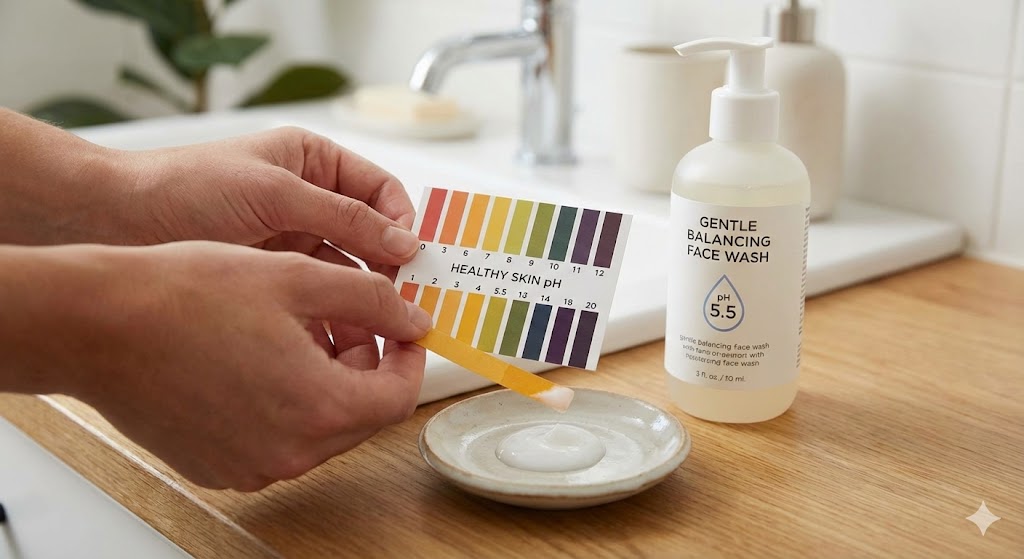
Finding a natural face wash that respects the delicate balance of your skin barrier is a foundational step in any wellness-focused routine. When the outer layer of the skin, known as the stratum corneum, becomes compromised, it often leads to increased trans-epidermal water loss and heightened reactivity to environmental stressors.
Many conventional cleansers rely on harsh surfactants that strip away essential lipids, leaving the skin feeling tight or inflamed. By prioritizing plant-derived ingredients and avoiding synthetic fragrances or aggressive preservatives, individuals can often maintain a healthier, more resilient complexion without triggering unwanted irritation.
The best approach involves identifying products that utilize mild, lipid-replenishing agents rather than stripping detergents. This strategy effectively cleanses the surface while preserving the integrity of the acid mantle, which is the primary defense mechanism against external pathogens.
Choosing a natural face wash requires an understanding of how specific botanical lipids interact with the skin’s unique pH levels and moisture retention capacity.
The skin barrier functions as a complex, semi-permeable membrane that regulates the exchange of moisture and protects against environmental toxins. When this barrier is functioning optimally, it maintains a steady state of hydration and prevents the entry of irritants that can cause redness or discomfort.
Cleansing is a necessary process to remove pollutants, excess sebum, and debris, yet it carries the risk of over-cleansing. Research published by the National Institutes of Health highlights that the choice of surfactant significantly influences the degree of protein denaturation and lipid extraction from the skin surface.
Mild surfactants work by forming micelles, which are tiny spheres that trap oil and dirt so they can be rinsed away with water. Unlike harsh detergents, these gentle agents do not penetrate deep into the skin layers, ensuring that your natural face wash leaves the underlying structure intact.
When you use a product formulated with these milder components, you may notice that your skin feels soft and supple rather than tight or “squeaky clean.” This sensation is a positive indicator that the lipid barrier has been preserved, which is essential for long-term comfort.
By choosing cleansers that prioritize these gentle interactions, you support the skin’s ability to regulate its own hydration levels. This creates a more stable environment for the skin to repair itself from daily stressors, leading to a more consistent and calm appearance over time.
Botanical extracts are often incorporated into cleansing formulations to provide secondary benefits, such as soothing inflammation or providing antioxidant support. These compounds, derived from plant sources, can interact with the skin’s surface to modulate the inflammatory response and improve overall texture.
It is important to note that “natural” does not automatically mean non-irritating, as some essential oils or plant extracts can still trigger sensitivities in certain individuals. A cautious approach involves patch-testing new products and observing how the skin responds over several days before full integration into a routine.
Ingredients like aloe vera or chamomile extract are frequently used because they contain compounds that may help calm the skin during the cleansing process. These agents provide a soothing effect that counteracts the potential friction caused by washing, making the experience much more comfortable for those with reactive skin.
When you apply a cleanser containing these botanical agents, the active molecules interact with the surface receptors to help dampen the signals of irritation. This translates to a reduced feeling of heat or stinging, which is a common concern for individuals who struggle with environmental sensitivities.
Consistent use of these plant-based ingredients can help maintain a more balanced complexion by supporting the skin’s natural recovery pathways. This allows the skin to remain resilient against daily challenges, such as temperature changes or exposure to dry air, without the need for heavy, synthetic additives.
The physical form of a cleanser—whether it is a cream, oil, or gel—can significantly impact how it interacts with the skin. Understanding these differences helps in selecting a product that aligns with your specific skin needs and environmental conditions.
| Formulation Type | Primary Benefit | Best For |
|---|---|---|
| Cream Cleanser | High lipid content for moisture | Dry or dehydrated skin |
| Oil Cleanser | Effective at dissolving sebum | Sensitive or combination skin |
Cream-based cleansers are often preferred for sensitive skin because they contain emollients that deposit a thin layer of moisture while cleaning. This protective film helps prevent the rapid evaporation of water, which is a common cause of post-wash tightness.
When you use a cream cleanser, the application process feels more like a gentle massage than a harsh scrubbing session. This mechanical gentleness is vital for individuals whose skin barrier is easily disrupted by friction, as it minimizes the physical stress placed on the surface of the face.
Choosing a texture that feels comfortable to you is just as important as the ingredient list itself. If a product feels soothing and leaves your skin feeling hydrated, it is more likely to support your long-term skin health goals without causing unnecessary irritation or dryness.
The skin naturally maintains a slightly acidic pH, typically between 4.5 and 5.5, which is crucial for the function of enzymes that maintain the barrier. Many traditional soaps are highly alkaline, which can disrupt this balance and create an environment where harmful bacteria may thrive.
Maintaining this acidic environment is essential for the skin’s microbiome, the collection of beneficial microorganisms that live on the surface. According to educational resources from the American Academy of Dermatology, keeping the skin’s pH in the optimal range is a key factor in preventing dryness and irritation.
A cleanser that is pH-balanced ensures that your skin’s natural defenses remain intact after every wash. This biological stability prevents the skin from having to work overtime to restore its natural acidity, which can otherwise lead to feelings of fatigue or chronic dryness.
When the acid mantle is supported, you will likely experience fewer instances of redness or unexplained breakouts. This consistent protection allows the skin to focus its energy on renewal rather than constantly defending itself against the harsh effects of an imbalanced environment.
By selecting products that explicitly state they are pH-balanced, you are taking a proactive step in supporting your skin’s innate health. This simple adjustment can lead to a noticeable improvement in how your skin feels throughout the day, providing a sense of comfort and reliability.
Yes, many natural cleansers are formulated with gentle, non-comedogenic ingredients that clean effectively without clogging pores or causing further irritation.
Most individuals find that washing twice daily—once in the morning and once in the evening—is sufficient to remove debris without stripping the skin of its natural oils.
While some essential oils have soothing properties, they can be potent; it is often best to look for fragrance-free or essential-oil-free options if your skin is highly reactive.
Selecting a gentle, pH-balanced cleanser is a fundamental strategy for maintaining the integrity of the skin barrier and supporting long-term comfort. By focusing on mild surfactants and soothing botanical ingredients, individuals can effectively manage sensitivity while promoting a resilient complexion.
This information is for educational purposes only and does not constitute medical advice. Individuals who are pregnant, breastfeeding, managing a specific skin condition, or taking medication should seek personalized guidance from a qualified clinician before making changes to their wellness routine.
To begin, review your current product labels for harsh detergents and consider transitioning to a fragrance-free, pH-balanced cleanser to observe how your skin responds over the next few weeks.
Get Your FREE Ultimate Vitamin Guide!
Join the VitaminProGuide community to receive science-backed supplement reviews, nutritional insights, and absorption tips, delivered straight to your inbox.
Vitaminproguide.com is reader-supported. When you buy through links on our site, we may earn an affiliate commission at no extra cost to you. As an Amazon Associate, we earn from qualifying purchases. Read our full disclosure.