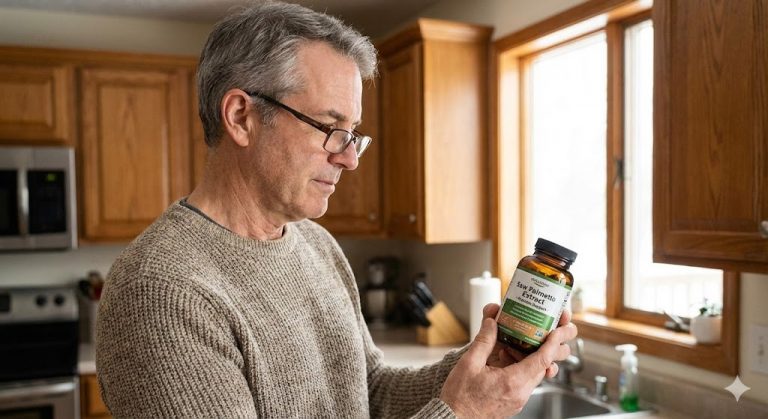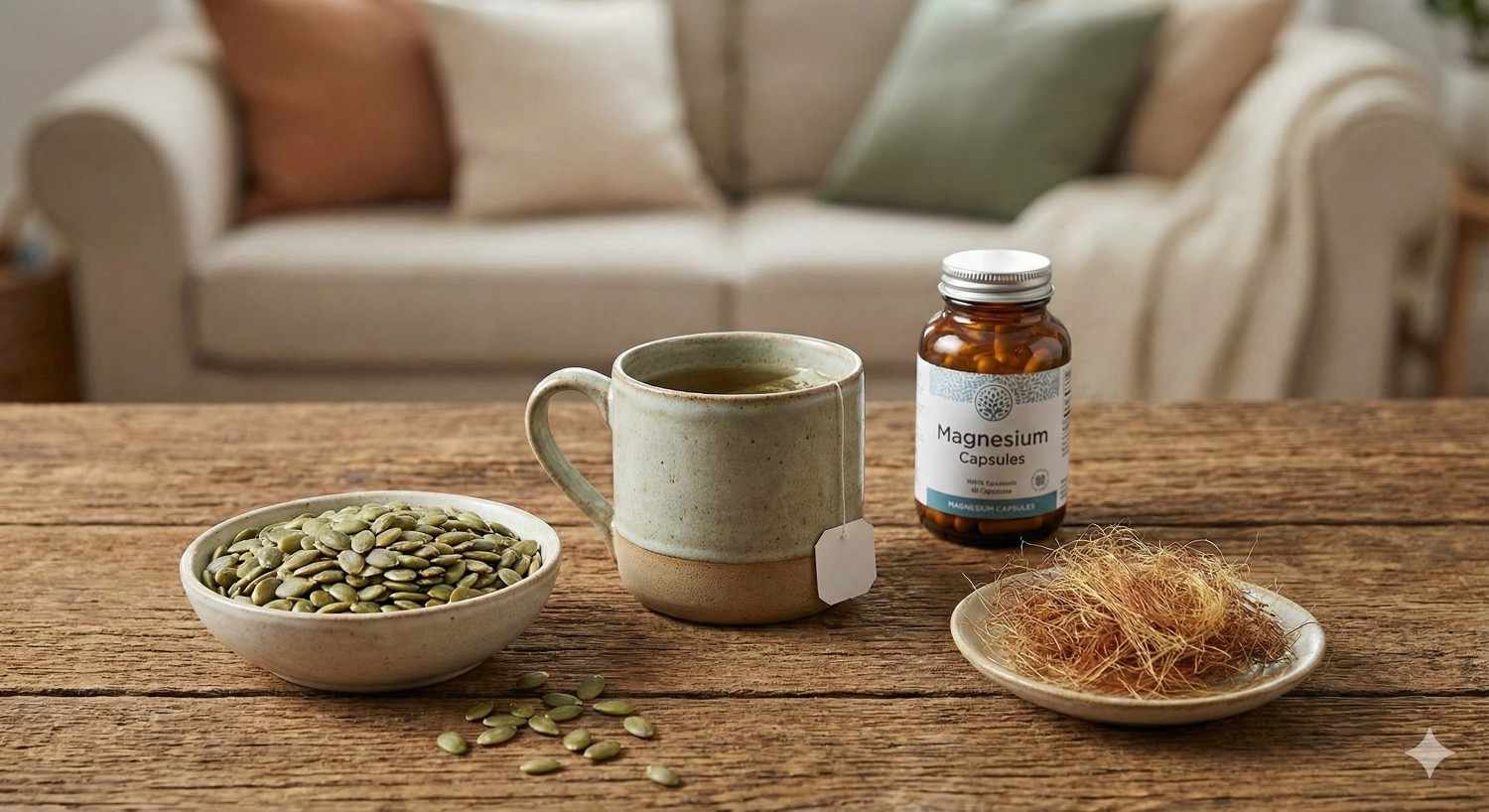
- Safety: Most options have a low risk profile compared to prescription drugs
- Effectiveness: Can significantly reduce urgency and frequency in mild cases
- Key Benefit: Restores bladder control and confidence without sedation
You map out every bathroom location before you even step out of your front door. The constant and sudden urge to go disrupts your work meetings and ruins your sleep schedule. This exhausting cycle leads many people to desperately seek effective natural remedies for overactive bladder.
I started investigating this issue because the standard medical treatments often come with frustrating side effects like dry mouth or dizziness. I wanted to find solutions that work with your body physiology rather than just suppressing it. My goal was to uncover options that strengthen the system.
It turns out that your bladder health is tied to everything from magnesium levels to the strength of your pelvic floor muscles. When these are out of balance your bladder contracts when it should be relaxing. This creates that panic inducing sensation that you have to go right now.
I dug into the trials to identify which herbs and lifestyle changes actually have clinical backing. The data suggests that specific compounds can calm the detrusor muscle and improve your quality of life. Let us explore the most promising tools for regaining control.
What the Research Says About natural remedies for overactive bladder
My review of the literature indicates that overactive bladder is often a result of misfiring nerve signals and muscle spasms. The bladder muscle contracts involuntarily even when the volume of urine is low. Research published in urology journals suggests that certain plant compounds can modulate these signals.
I found that natural remedies for overactive bladder often focus on strengthening the pelvic floor or relaxing the bladder wall. For instance extracts like pumpkin seed oil contain phytoestrogens and essential fatty acids. These nutrients appear to support the structural integrity of the bladder and the urethra.
Another area of interest is the role of oxidative stress in bladder dysfunction. Antioxidant rich supplements may help reduce the inflammation that triggers urgency. This approach targets the root irritation rather than just blocking the nerve signal like pharmaceutical anticholinergics do.
| Feature | Natural Remedies | Prescription Anticholinergics |
|---|---|---|
| Primary Action | Muscle strengthening and relaxation | Nerve signal blocking |
| Side Effects | Minimal digestive changes | Dry mouth and constipation |
| Long Term Use | Supports systemic health | Possible cognitive risks |
Effective Ways to Use natural remedies for overactive bladder
1. Pumpkin Seed Oil Extract
This is one of the most well researched supplements for urinary health. I found studies showing that water soluble pumpkin seed extract can significantly reduce urinary frequency. It works by strengthening the pelvic floor muscles and providing anabolic support to the bladder tissue. This can help you hold urine longer without discomfort.
2. Gosha Jinki Gan
This traditional Japanese herbal blend has shown impressive results in clinical trials. Research indicates it acts on the nervous system to inhibit bladder sensation and reduce frequency. It combines 10 different herbs that work synergistically to improve lower urinary tract symptoms. I consider it a powerhouse for those with urgency issues.
Magnesium is the master mineral for muscle relaxation. I discovered that a deficiency can lead to spasms in the bladder muscle just like it does in your legs. Supplementing with a bioavailable form like glycinate helps calm these spasms. This allows the bladder to fill more completely before sending a signal to the brain.
4. Vitamin D3 Supplementation
There is a surprisingly strong link between low Vitamin D levels and pelvic floor disorders. Studies suggest that adequate Vitamin D is crucial for muscle strength in the pelvic region. I recommend checking your levels because correcting a deficiency is a simple way to support bladder function. It is a foundational step for overall muscle health.
5. Pelvic Floor Training
While not a pill this is arguably the most effective natural remedy available. I found that consistent Kegel exercises can thicken the muscles that control the bladder outlet. This gives you the physical strength to suppress the urge when it hits. Combining this with biofeedback therapy often yields the best results.
6. Corn Silk Tea
Corn silk has been used for centuries to soothe the urinary tract. I noted that it contains mucilage which coats the lining of the bladder and reduces irritation. This can be particularly helpful if your urgency is caused by inflammation. It acts as a gentle demulcent to calm the system.
7. Fluid Management and Bladder Retraining
This technique involves gradually increasing the time between bathroom visits to train your bladder to hold more. I learned that combining this with timing your fluid intake is highly effective. You stop drinking fluids a few hours before bed to prevent night waking. It is about retraining the brain bladder connection.
Best Time & Dosage for natural remedies for overactive bladder
For supplements like pumpkin seed extract the standard dosage used in studies is often around 10 grams of seeds or 500 mg to 1000 mg of extract. I suggest taking this with meals to aid absorption. Consistency is vital so try to take it at the same time every day.
Magnesium is best taken in the evening about an hour before bed. This leverages its relaxing properties to help you sleep through the night without frequent waking. It helps settle the nervous system when you need it most.
Herbal blends like Gosha Jinki Gan are typically taken daily usually in divided doses. Always follow the specific instructions on the bottle as potency varies between brands. Give any natural protocol at least six weeks to show full effects.
Safety & Precautions
1. Rule Out Infections First
Urgency can mimic a urinary tract infection which requires antibiotics. You must see a doctor to test your urine before trying natural remedies. Treating an infection with herbs alone can be dangerous.
Safety Note: Untreated infections spread to kidneys.
2. Check for Interactions
Herbal supplements can interact with prescription medications especially blood thinners and diuretics. I strongly advise checking with your pharmacist. This ensures your new regimen does not interfere with existing treatments.
Safety Note: Herbs are biologically active.
3. Monitor Kidney Function
Everything you take is processed by your kidneys. If you have chronic kidney disease you must be extremely careful with supplements like magnesium or potassium rich herbs. Your doctor needs to approve your plan.
Safety Note: Protect your filtration system.
4. Watch for Allergic Reactions
Pumpkin seeds and pollen extracts can trigger allergies in sensitive individuals. Start with a small dose to see how your body reacts. Swelling or itching means you should stop immediately.
Safety Note: Anaphylaxis is a medical emergency.
5. Avoid Mega Doses
Taking more than the recommended amount does not speed up results. I found that excessive magnesium causes diarrhea which worsens dehydration. Stick to the studied dosages for safety.
Safety Note: Balance is key for health.
5 Common Myths vs Facts
Myth 1: You should stop drinking water.
Fact: Dehydration concentrates your urine which actually irritates the bladder more. You should drink water steadily throughout the day but limit it before bed.
Myth 2: It is just a normal part of aging.
Fact: While common it is not normal or inevitable. You can improve bladder control at any age with the right interventions.
Myth 3: Cranberry juice cures OAB.
Fact: Cranberry is great for preventing infections but does little for overactive bladder muscles. It is acidic and might actually worsen urgency symptoms.
Myth 4: Surgery is the only real fix.
Fact: Most doctors recommend lifestyle changes and pelvic floor therapy as the first line of defense. Surgery is considered a last resort.
Myth 5: Kegels are only for women.
Fact: Men can benefit immensely from pelvic floor training especially after prostate issues. Muscle control applies to everyone.
The Bottom Line
Exploring natural remedies for overactive bladder offers a viable path to reclaiming your freedom and confidence.
Based on the research I believe that combining pumpkin seed extract with pelvic floor training is the most robust strategy for long term relief. My personal take is that this approach addresses both the muscular weakness and the chemical imbalances causing the issue. It is ideal for individuals with mild to moderate symptoms who want to avoid the cognitive risks of anticholinergic drugs.
If you decide to try this look for water soluble pumpkin seed extract supplements for the best absorption.
There are many bladder formulas on the market, but ingredients vary widely. I recently analyzed the label of one popular option to see if the science backs it up. [Read the full Confitrol24 Review: Does it actually stop leaks?]
Get Your FREE Ultimate Vitamin Guide!
Join the VitaminProGuide community to receive science-backed supplement reviews, nutritional insights, and absorption tips, delivered straight to your inbox.