Contents
- Safety: Most natural options are topically safe but require diligence to avoid skin irritation.
- Effectiveness: Success varies wildly; clinical-strength, consistent application of specific antifungal agents is key to seeing real results.
- Key Benefit: Avoids the potential systemic side effects, like liver strain, associated with long-term oral antifungal prescription pills.
It starts with a subtle sign. A small white or yellow spot under the tip of a toenail. You ignore it at first, hoping it will grow out, but then it spreads deeper, thickening the nail and making it brittle. Before you know it, you are dealing with a persistent, unsightly infection that refuses to budge.
The internet is flooded with weak DIY solutions promising overnight cures, from Vicks VapoRub to questionable herbal soaks. It is incredibly frustrating to spend months religiously applying these remedies with absolutely nothing to show for it. You aren’t looking for a placebo; you want a biological change that tackles the fungus at its source.
I spent the weekend analyzing the latest clinical data on antifungal agents to separate folklore from fact. The truth is, while some natural compounds show promise in a petri dish, getting them deep enough into the nail bed to work in the real world is a massive challenge. We need to move beyond kitchen counter experiments and look at verifiable mechanisms of action.
Let’s strip away the fluff and examine the science behind natural remedies for stubborn nail fungus. We will figure out which ingredients have the chemical ability to penetrate the nail plate and disrupt fungal cell walls, and which ones are just wasting your time and money.
The Biological Mechanism Explained
Fungal nail infections, or onychomycosis, are notoriously difficult to treat because the nail itself is a fortress. It is made of hard keratin, which is designed to keep things out. The fungus takes up residence deep underneath this plate, in the nail bed, protected from topical treatments.
Effective treatment requires a two-pronged approach: penetration and destruction. You need an agent that can pass through the dense keratin layer and then actively kill the fungus by disrupting its cell membranes or interfering with its reproduction. According to the Centers for Disease Control and Prevention (CDC), fungi like dermatophytes are the primary culprits, and they thrive in warm, moist environments.
My deep dive into the research highlights one key factor: most home remedies lack the potency and the delivery system to get the job done. They might sit on the surface, but they fail to reach the root of the infection. Clinical-strength natural options focus on using highly concentrated bioactive compounds with proven antifungal properties.
| Feature | Clinical-Strength Natural Remedies | Common DIY Soaks (e.g., Vinegar) |
|---|---|---|
| Mechanism of Action | Disrupts fungal cell membranes with concentrated bioactive compounds. | Creates an acidic environment that is less hospitable to fungus. |
| Penetration Ability | Formulated with carriers to help penetrate the nail plate. | Poor penetration; mostly acts on the surface. |
| Effectiveness | Can be effective with consistent, long-term use. | Rarely cures established, stubborn infections. |
5 Strategies That Actually Work
1. Tea Tree Oil (Melaleuca Alternifolia)
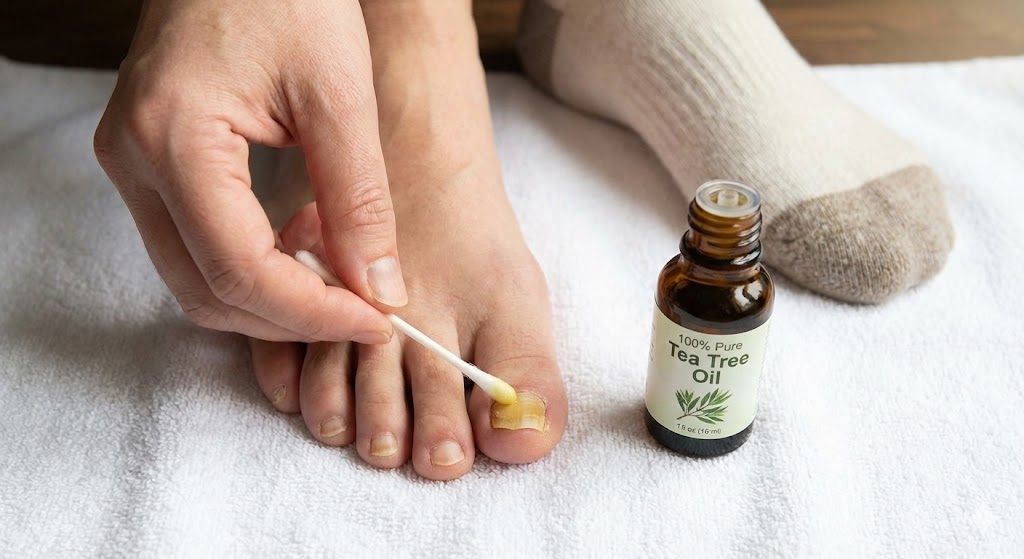
This is the gold standard for natural antifungals. It contains compounds like terpinen-4-ol that have been shown in studies to kill dermatophytes. The catch is you need a high-quality, 100% pure oil, and you must apply it consistently twice a day for months. Diluting it with a carrier oil like jojoba can help prevent skin irritation while aiding penetration.
2. Oregano Oil (Carvacrol)
Oregano oil is incredibly potent due to its high carvacrol content, a phenolic compound that breaks down the outer membrane of fungal cells. It is strong stuff. Like tea tree oil, it needs to be diluted with a carrier oil before applying it to the nail and surrounding skin to avoid burning. Look for an oil with at least 70% carvacrol.
3. Snakeroot Extract (Ageratina pichinchensis)
This is less common but has some interesting clinical backing. A study published in Planta Medica showed that a snakeroot extract was as effective as a prescription antifungal cream for treating toenail fungus over a six-month period. It is often found in specialized natural antifungal creams.
4. Ozonated Oils (Olive or Sunflower)
Ozone gas (O3) is bubbled through an oil for an extended period, creating a thick, gel-like substance packed with ozonides. These ozonides release active oxygen upon contact with the fungus, creating an oxidative environment that destroys fungal pathogens. It is a powerful topical option with strong antimicrobial properties.
5. Undecylenic Acid
An organic fatty acid derived from castor oil, undecylenic acid is a common ingredient in many over-the-counter antifungal products. It works by inhibiting the growth of the fungus and preventing it from reproducing. It’s often combined with other agents to create a broad-spectrum topical treatment.
How to Get the Best Results
Consistency is absolutely vital when treating nail fungus. Unlike a skin infection that might clear up in a week, nail fungus requires months of daily treatment because you have to wait for the healthy nail to grow out completely, which can take 6 to 12 months for a big toenail.
You must prepare the nail to maximize penetration. Before applying any remedy, soak your feet in warm water for 10-15 minutes to soften the nail plate. Then, use a sterilized file to thin the surface of the thickened nail. This is crucial; it removes layers of infected keratin and creates a shorter path for the antifungal agent to reach the nail bed.
Timing is also important. Apply your chosen remedy twice daily, once in the morning and once before bed. The nighttime application is especially important as it has all night to work without being rubbed off by socks and shoes. Keep your feet dry and change socks frequently to avoid creating the warm, moist environment that fungus loves.
Finally, do not rely on one single thing. A multi-pronged approach is best. Combine a strong topical regimen with oral supplements that support immune health, such as garlic extract or olive leaf extract, to help your body fight the infection from the inside out.
Safety & Precautions
1. Patch Test First
Potent essential oils like oregano and tea tree can cause contact dermatitis or skin irritation in some people. Before slathering it all over your toes, apply a small amount of the diluted oil to a patch of skin on your arm and wait 24 hours to see if there is a reaction.
Caution: Redness, itching, or burning means you should dilute it further or discontinue use.
2. Don’t Use Undiluted Essential Oils
Applying 100% pure essential oils directly to the skin around the nail can cause chemical burns. Always mix them with a gentle carrier oil like jojoba, almond, or coconut oil. A common ratio is 1-2 drops of essential oil per teaspoon of carrier oil.
Safety Note: More is not better; concentration matters for safety.
3. Practice Extreme Hygiene
Nail fungus is highly contagious. Wash your hands immediately after touching infected nails. Sterilize your nail clippers and files with rubbing alcohol after every use to prevent spreading the infection to other nails or other people.
Heads Up: Re-infecting yourself is very easy if you aren’t careful.
4. Monitor for Worsening Symptoms
If the area becomes increasingly red, swollen, painful, or hot to the touch, this could indicate a secondary bacterial infection. Stop your home treatment and see a doctor immediately.
Doctor’s Note: Natural remedies are for fungus, not severe bacterial cellulitis.
5. Be Patient, But Know When to Quit
If you have been diligently following a protocol for 3-4 months with absolutely no sign of improvement (like a clear line of new nail growth at the base), it may be time to consult a podiatrist for stronger prescription options like oral terbinafine.
Important: Some infections are simply too deep for topical treatments alone.
5 Common Myths vs. Facts
Myth 1: Nail polish causes fungus.
Fact: Polish itself doesn’t cause fungus, but wearing it constantly can trap moisture and seal in fungus that’s already there, making it worse. Give your nails a break.
Myth 2: Vicks VapoRub cures nail fungus.
Fact: While some ingredients in Vicks like thymol have mild antifungal properties, clinical studies have shown very low cure rates. It is not a reliable solution for stubborn infections.
Myth 3: Soaking in vinegar will kill the fungus deep under the nail.
Fact: Vinegar is acidic and creates a hostile environment for surface fungus, but it cannot penetrate the nail plate effectively to reach the root of a deep infection.
Myth 4: Once the nail looks clear, you can stop treatment.
Fact: Microscopic fungus can remain even after the nail looks better. You must continue treatment until the nail has completely grown out to prevent a recurrence.
Myth 5: It will just go away on its own.
Fact: Nail fungus is a chronic infection that almost never resolves without treatment. Left unchecked, it can permanently damage the nail matrix and spread to other nails.
The Bottom Line
Treating stubborn nail fungus with natural remedies requires a clinical-strength approach, patience, and disciplined application, not just occasional foot soaks.
Based on the research, I believe a combination of preparing the nail by filing, followed by the consistent application of a high-quality Ozonated Oil or a potent, diluted Oregano Oil, offers the best chance for success without prescription drugs. This protocol is for the person dedicated to a months-long regimen to see results.
While remedies like tea tree oil soak can be helpful, the practical gap is huge, they often lack the concentration and penetration power needed. For real results, pivot to using a specialized topical product containing undecylenic acid or ozonated oils designed to penetrate the nail bed.
Get Your FREE Ultimate Vitamin Guide!
Join the VitaminProGuide community to receive science-backed supplement reviews, nutritional insights, and absorption tips, delivered straight to your inbox.