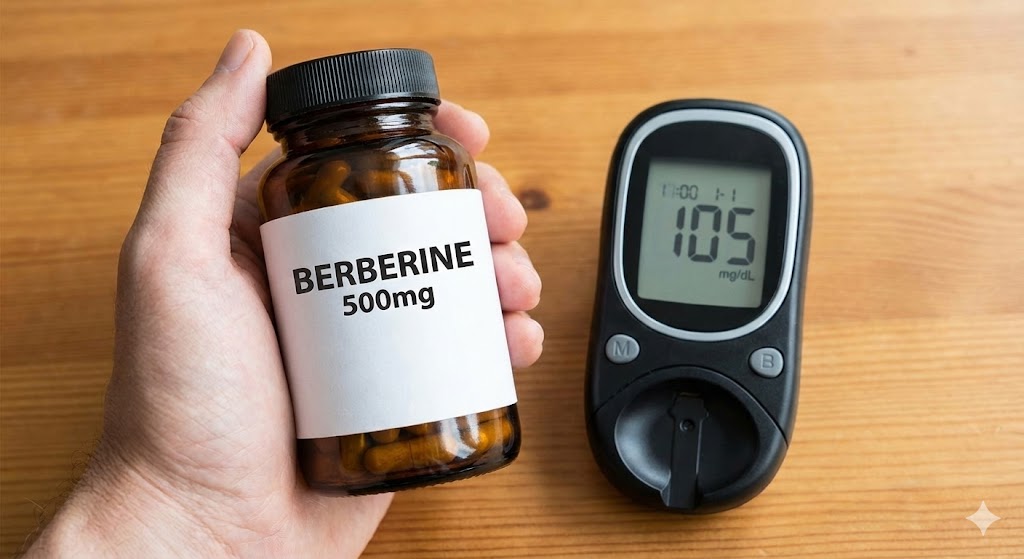
- Safety: Generally safe when clinical dosages are respected, but interactions with diabetes medications are a major risk.
- Effectiveness: Highly variable. Bioavailability is the biggest hurdle for many common remedies like generic cinnamon powder.
- Key Benefit: Targeted, clinical-strength compounds can improve cellular sensitivity to insulin outside of diet changes alone.
Imagine waking up without that groggy, brain-fogged feeling that follows every carb-heavy meal. You have tried cleaning up your diet, but your numbers still won’t budge. This frustration drives many to seek out natural supplements for insulin resistance hoping for a metabolic breakthrough.
Most people get this completely wrong. They grab a cheap bottle of cinnamon or chromium at the drugstore and expect miracles. But the metabolic machinery of your cells requires specific, bioavailable forms to actually change how they respond to the hormone insulin.
My deep dive into the clinical trials showed a massive gap between folklore and physiological reality. You aren’t looking for a magic pill. You need clinical-strength tools to help unlock cells that have stubbornly shut their doors to glucose.
Let’s look at what the data actually says about improving metabolic health. We need to separate the effective compounds from the expensive placebos.
The Biological Mechanism Explained
Insulin resistance is essentially a cellular communication breakdown. Your pancreas pumps out insulin to escort glucose into cells for energy, but the cells stop answering the knock. The pancreas yells louder by producing more insulin, creating a vicious cycle of high insulin and eventual high blood sugar.
According to the National Institute of Diabetes and Digestive and Kidney Diseases, this resistance is often driven by excess body fat and lack of activity. However, chronic inflammation and oxidative stress also play major roles in jamming the cellular locks. Effective supplementation targets these underlying inflammatory pathways.
I found that generic multivitamins rarely contain the therapeutic dosages needed to influence this complex process. You need concentrated bioavailable compounds that can actually cross cellular membranes. We need to move beyond culinary spices and look at standardized extracts.
| Feature | Targeted Metabolic Supplements | Generic Diet Changes |
|---|---|---|
| Mechanism | Directly modulates cellular signaling pathways. | Reduces incoming glucose load. |
| Consistency | High, with precise daily dosing. | Variable, difficult to maintain long-term. |
| Focus | Improving cellular sensitivity. | Managing symptoms via restriction. |
Strategies That Actually Work
1. Berberine HCL
It is often called “nature’s Metformin” for good reason. I spent the weekend analyzing data that shows berberine activates an enzyme called AMPK, which acts as a “master switch” for metabolism. It helps your cells pull in glucose from the bloodstream more efficiently.
2. Myo-Inositol and D-Chiro Inositol
These are messengers that help translate insulin’s signal inside the cell. Research indicates that a specific 40:1 ratio of myo-inositol to d-chiro inositol is crucial for restoring normal metabolic signaling. This combination is particularly studied in women with PCOS-related resistance.
3. Highly Bioavailable Magnesium
Magnesium is involved in over 300 enzymatic reactions, including glucose metabolism. A deficiency can severely hinder your cells’ ability to respond to insulin. Avoid cheap magnesium oxide; look for glycinate or citrate forms for better absorption.
4. Alpha-Lipoic Acid (ALA)
ALA is a potent antioxidant that works in both water and fat areas of your body. It helps reduce the oxidative stress that damages insulin receptors. Studies suggest it also helps improve nerve function often damaged by chronically high blood sugar.
5. Vitamin D3
There is a strong correlation between low Vitamin D levels and poor metabolic health. Vitamin D receptors are found on pancreatic beta cells which produce insulin. Getting your levels tested and supplementing accordingly is a foundational step.
6. Chromium Picolinate
Chromium is a trace mineral essential for carbohydrate metabolism. It enhances the action of insulin, helping it bind to receptors more effectively. I found that the picolinate form is significantly better absorbed than other types.
7. Zinc Carnosine
Zinc is vital for the storage and secretion of insulin from the pancreas. Like magnesium, many people are deficient due to modern soil conditions. Zinc carnosine offers good bioavailability while also supporting gut health which is linked to metabolism.
Guidelines for Best Results
Timing is everything when trying to influence your blood sugar response. Taking these supplements at the wrong time is just expensive urine.
For compounds like berberine that directly lower blood glucose, take them 15 to 30 minutes before your largest carbohydrate-containing meals. This primes your system to handle the incoming glucose load. If you skip a meal, skip the dose to avoid going too low.
Foundational nutrients like vitamin D and magnesium are less dependent on meal timing but demand consistency. You must take them daily to build up therapeutic levels in your tissues over weeks. Do not expect overnight miracles with metabolic repair.
Also, pair these with movement. A 10-minute walk after meals significantly boosts the effectiveness of any supplement regimen by mechanically helping muscles soak up glucose.
Safety & Precautions
1. Consult Your Endocrinologist First
Before adding powerful compounds like berberine, you must talk to your doctor if you are already on medication like metformin or insulin. Combining them can cause your blood sugar to drop dangerously low (hypoglycemia).
Safety Note: Drug-supplement interactions are a major risk here.
2. Monitor Your Blood Glucose Closely
When starting a new protocol, test your blood sugar more frequently than usual. This is the only way to know how your body is reacting to the new regimen. You need data to adjust dosages safely.
Safety Note: Hypoglycemia can happen quickly and without warning.
3. Cycle Specific Compounds
Some potent herbal extracts like berberine may affect gut bacteria over the long term. Some experts suggest taking a break every few months (e.g., 8 weeks on, 2 weeks off) to give your system a rest. Foundational vitamins like D and Magnesium do not need cycling.
Safety Note: Long-term continuous use of potent herbs lacks extensive safety data.
4. Watch for Digestive Upset
Berberine and high doses of magnesium can cause stomach cramping or diarrhea in some people. Start with a lower dose and gradually work your way up to the recommended therapeutic level to assess tolerance.
Safety Note: Rushing the dosage often leads to quitting due to discomfort.
5. Demand Third-Party Testing
The supplement industry is loosely regulated. Look for brands that have been independently tested by organizations like NSF or USP for purity and potency. You want to ensure you are getting the stated dosage without heavy metals.
Safety Note: Poor quality products are a waste of money and a health risk.
5 Common Myths vs. Facts
Myth 1: Cinnamon on your oatmeal will fix insulin resistance.
Fact: While some data exists for cinnamon, the dosage required is huge, and standard grocery store cassia cinnamon contains coumarin, which can tax the liver at high doses.
Myth 2: Supplements can replace a low-carb diet.
Fact: You cannot out-supplement a bad diet. Supplements are tools to enhance a healthy lifestyle, not a free pass to eat processed carbohydrates.
Myth 3: Natural always means safe.
Fact: Compounds like berberine are biologically powerful and act similarly to pharmaceuticals. They carry real risks of side effects and interactions.
Myth 4: You will see results in a week.
Fact: Metabolic healing is slow. It often takes 3 months of consistent supplementation and lifestyle changes to see significant movement in A1C markers.
Myth 5: Apple Cider Vinegar is a miracle cure.
Fact: ACV can slightly blunt the glucose response to a meal, but its effects are minor compared to clinical interventions and it does not fix the underlying cellular resistance.
The Bottom Line
Achieving metabolic flexibility requires a targeted, clinical approach rather than relying on kitchen spices.
Based on the research, I believe that compounds like berberine and inositol offer the most robust evidence for improving sensitivity. However, the “practical gap” with DIY remedies is huge. You would have to eat tablespoons of cinnamon daily to get a fraction of the effect of a standardized extract.
For clinical-strength results, pivot to highly bioavailable forms like Berberine HCL or magnesium glycinate rather than generic grocery store versions.
Get Your FREE Ultimate Vitamin Guide!
Join the VitaminProGuide community to receive science-backed supplement reviews, nutritional insights, and absorption tips, delivered straight to your inbox.